How to Spot Early Signs of Termite Damage in Your Bengaluru Home
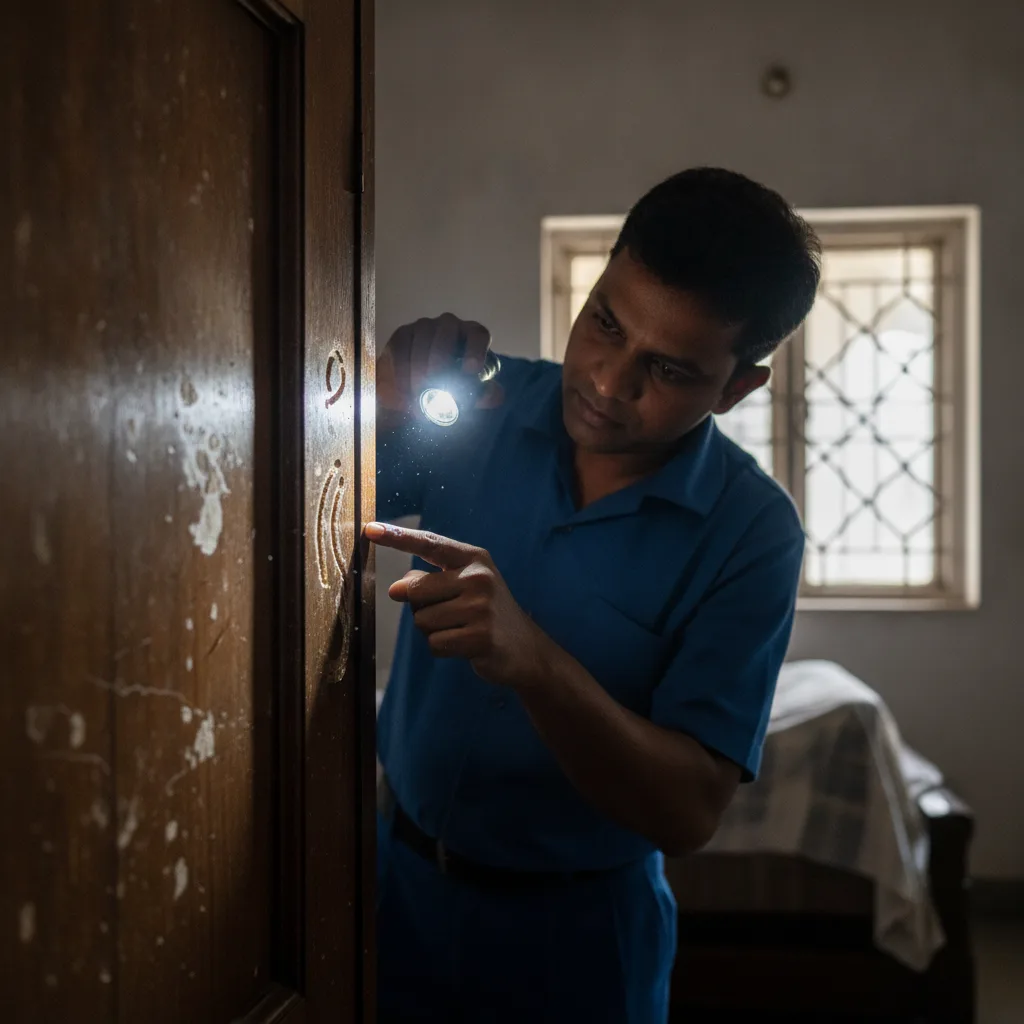
Most homeowners in Bengaluru find out about a termite problem the hard way, a cupboard shelf that suddenly sags, or a wooden door frame that crumbles when you push a pin into it. Termites work quietly, often for a year or more, before the damage becomes visible to the naked eye. Knowing what to look for early can save you from replacing entire wooden structures later.
The good news is that termite colonies leave behind small, consistent clues long before structural damage sets in. You just need to know where to look and what's normal versus what isn't.
Why termites go unnoticed for so long
Termites avoid light and open air. Subterranean termites, the most common type in Bengaluru homes, travel through mud tubes they build between the soil and your woodwork, staying hidden the entire time.
This is also why a lot of damage happens inside walls, under flooring, or behind furniture backs, places nobody checks during a regular cleaning round. If you've ever booked a professional pest control service and had the technician point out damage you had no idea existed, this is exactly why it happens.
Signs worth checking for this month
- Mud tubes on walls or foundations: pencil-thick tunnels of soil running up exterior walls, pillars, or near the base of wooden furniture. These are termite highways, and snapping one open usually reveals live termites inside.
- Hollow-sounding wood: tap on door frames, window sills, or wooden furniture. A dull, papery sound instead of a solid knock means the inside has likely been eaten away while the surface stays intact.
- Discarded wings near windowsills: after a swarm, winged termites shed their wings once they've found a new spot to settle. A small pile of identical, translucent wings on a sill or floor is a strong early signal.
- Tiny pinholes with powdery dust: this fine, sawdust-like material (called frass) is termite droppings, and you'll often find it near skirting boards or under wooden furniture legs.
- Doors and windows that suddenly stick: termites release moisture as they tunnel, which can warp wood just enough to make doors harder to shut. It's subtle, but it's often one of the first things residents notice.
- Paint that looks bubbled or sunken: damage happening just beneath painted wood or drywall can show up as faint ripples or soft spots on the surface.
Where to check first
Start with areas where wood meets soil or moisture, since that's where subterranean termites prefer to enter. Door frames at ground level, wooden staircases, false ceilings near bathrooms, and furniture pushed against outer walls are the usual starting points.
Basements, store rooms, and underused spaces deserve a periodic check too. Termites thrive in places that stay dark and undisturbed for long stretches, exactly the kind of storage room most homes only open once a month.
Termite damage versus ordinary wood wear
| What you see | Likely termite damage | Likely normal wear |
|---|---|---|
| Surface texture | Hollow, papery, or maze-like tunnels inside | Cracks, fading, or scratches on the surface only |
| Sound when tapped | Dull or hollow | Solid knock |
| Pattern | Random tunnel galleries following the wood grain | Even wear from sunlight or handling |
| Nearby evidence | Mud tubes, discarded wings, frass | None |
Why Bengaluru homes are particularly at risk
Bengaluru's mix of older independent houses with exposed wooden beams, plus heavy monsoon humidity between June and September, creates ideal termite conditions. Moisture softens wood fibres just enough for termites to chew through them more easily, and damp soil around building foundations makes mud tube construction faster.
Homes with wooden furniture stored directly against outer walls, or gardens with tree stumps and old wood piles nearby, tend to see termite activity more often. It isn't about one specific area of the city, it's about moisture and wood contact, which can show up anywhere.
What to do once you spot the signs
Don't just treat the visible spot with a spray and assume it's handled. A colony can span several metres underground, and surface treatment rarely reaches the nest. Professional treatment usually involves soil treatment around the foundation, targeted injection into affected wood, and sometimes bait stations placed strategically around the structure.
If you're already seeing two or more of the signs above, it's worth getting an inspection done rather than waiting for more damage to show. Early action usually means saving the furniture or wood structure instead of replacing it entirely.
- Mud tubes, hollow-sounding wood, and discarded wings are the earliest reliable signs of termite activity.
- Bengaluru's monsoon humidity and older wooden structures make homes more vulnerable to subterranean termites.
- Check dark, undisturbed spaces like basements and storage rooms, not just visible furniture.
- Surface spraying rarely solves the problem since colonies live underground.
- Catching damage early usually means repair instead of replacement.
If any of this sounds familiar from a recent walk around your house, don't wait for the next swarm season to deal with it. KBS has spent years treating termite colonies across Bengaluru homes, and a quick inspection now is a lot cheaper than replacing a staircase later. You can book pest control service whenever you're ready for someone to take a proper look.
Want this handled by professionals in Bengaluru? Book KBS Pest Control Service, or message us on WhatsApp.