How to Spot a Termite Infestation Before It Damages Your Bengaluru Home

Most Bengaluru homeowners find out about termites the hard way, usually when a door frame crumbles or a wooden shelf collapses under light weight. By then the colony has often been active for a year or more. Recognising termite infestation signs in Bangalore homes early is the difference between a quick treatment and replacing half your furniture.
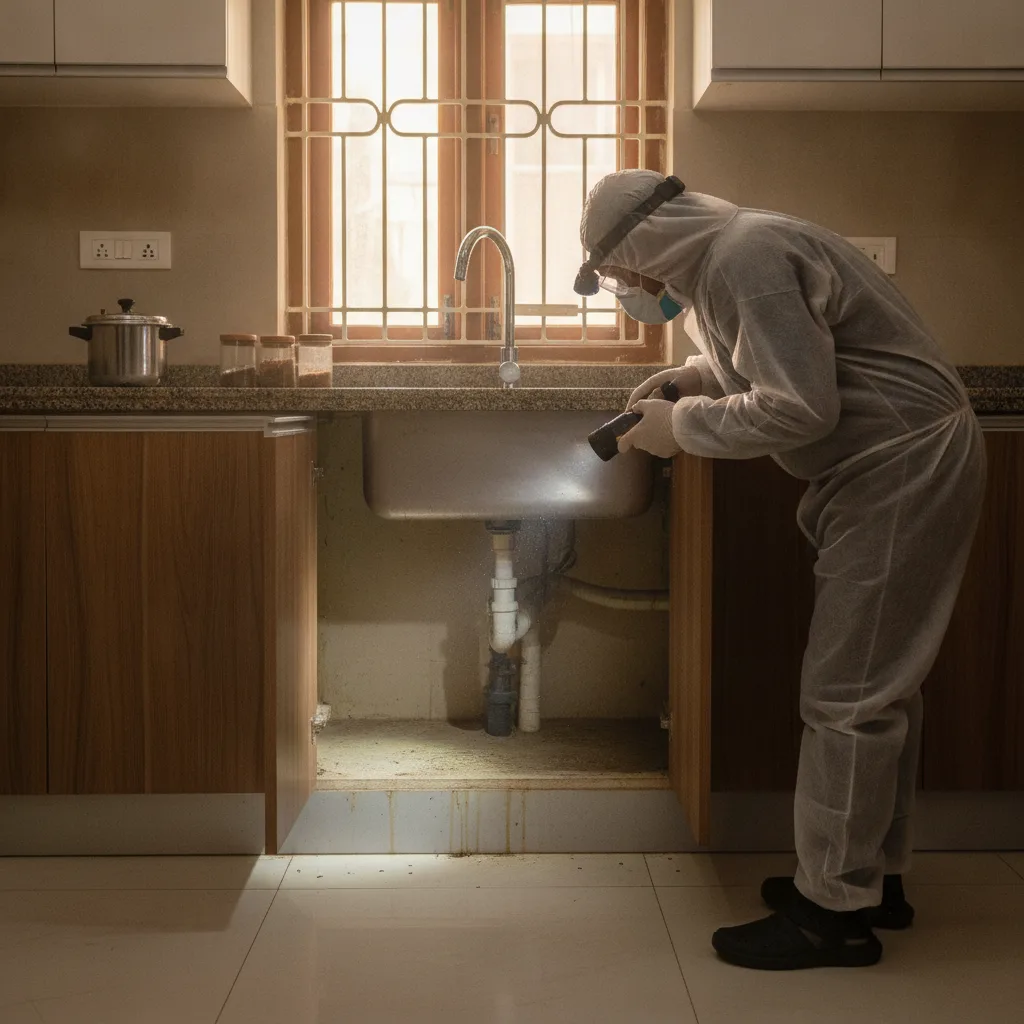
Termites don't announce themselves. They work inside walls, under flooring, and within wood, leaving only faint clues on the surface. If you catch those clues in time, a professional pest control service can treat the colony before it spreads to structural timber or built-in wardrobes.
Why Bengaluru homes are particularly at risk
Termites need moisture and cellulose, wood, paper, cardboard, cotton fabric. Bengaluru's older independent houses often have wooden door frames, window frames, and attic beams that have been in place for decades without any protective treatment.
Add monsoon humidity from June to September, plus the common practice of storing old newspapers and cardboard boxes in basements or store rooms, and you have ideal termite conditions. Apartments aren't immune either. Termites travel through soil and can enter through cracks in the foundation or utility ducts shared between units.
The mud tubes are the clearest giveaway
Subterranean termites, the most common species in South India, build pencil-thin mud tubes to travel between soil and wood while staying hidden from light and predators. You'll usually spot these running along foundation walls, inside cupboards, or up the side of a pillar.
Snap one open. If it's freshly built, you'll see a slightly moist, soft interior with tiny white termites inside. An old abandoned tube will be dry, crumbly, and empty. Either way, mud tubes mean termites are actively moving between a nest and a food source somewhere in your house.
Where to check for tubes
- Base of exterior walls, especially where soil touches the foundation
- Inside wooden cupboards built against a wall
- Around pipe entry points and electrical conduits
- Behind furniture that hasn't been moved in months
Wood that sounds hollow or feels soft
Termites eat wood from the inside out, following the grain and leaving a thin outer layer intact. The surface can look completely normal while the inside is a honeycomb of tunnels.
Tap door frames, skirting boards, and window sills with the back of a spoon. A hollow, papery sound instead of a solid thud is a strong indicator. Press a screwdriver gently into the wood too. If it sinks in easily or the wood crumbles, termites have likely been feeding there for months.
Discarded wings near windows and light fixtures
Once a colony matures, usually after 3 to 5 years, it releases winged reproductive termites called alates during the first warm rains, typically late April through June in Bengaluru. They swarm toward light, mate, then shed their wings within an hour.
Finding small, translucent wings of roughly equal size scattered on windowsills or near tube lights is one of the most reliable early signs. It means a new colony may already be establishing itself nearby, possibly in your own walls.
Frass that looks like tiny wood-coloured pellets
Drywood termites, less common here than subterranean ones but still found in older wooden furniture, push their droppings out of small kick-out holes. The frass looks like fine sawdust or tiny ridged pellets, often the same colour as the wood being eaten.
If you see small mounds of this near furniture joints or skirting, it's worth a closer look with a torch at the surrounding wood for pinhole-sized exit holes.
Doors and windows that suddenly stick
Termite tunnels and the moisture they carry cause wood to swell and warp. A door or window that worked fine for years and suddenly sticks or doesn't close flush is sometimes dismissed as monsoon swelling.
Genuine humidity swelling affects the whole frame evenly and eases once the air dries out. Termite damage tends to be patchy, worse in one corner or along one edge, because that's where the colony has been tunnelling longest.
A simple DIY check before you call for help
- Walk the perimeter of your house and look for mud tubes at ground level
- Tap wooden frames and skirting with a hard object and listen for hollow sounds
- Check storage areas and basements for damp cardboard or old newspapers touching the floor
- Inspect windowsills for discarded wings, especially after the first pre-monsoon showers
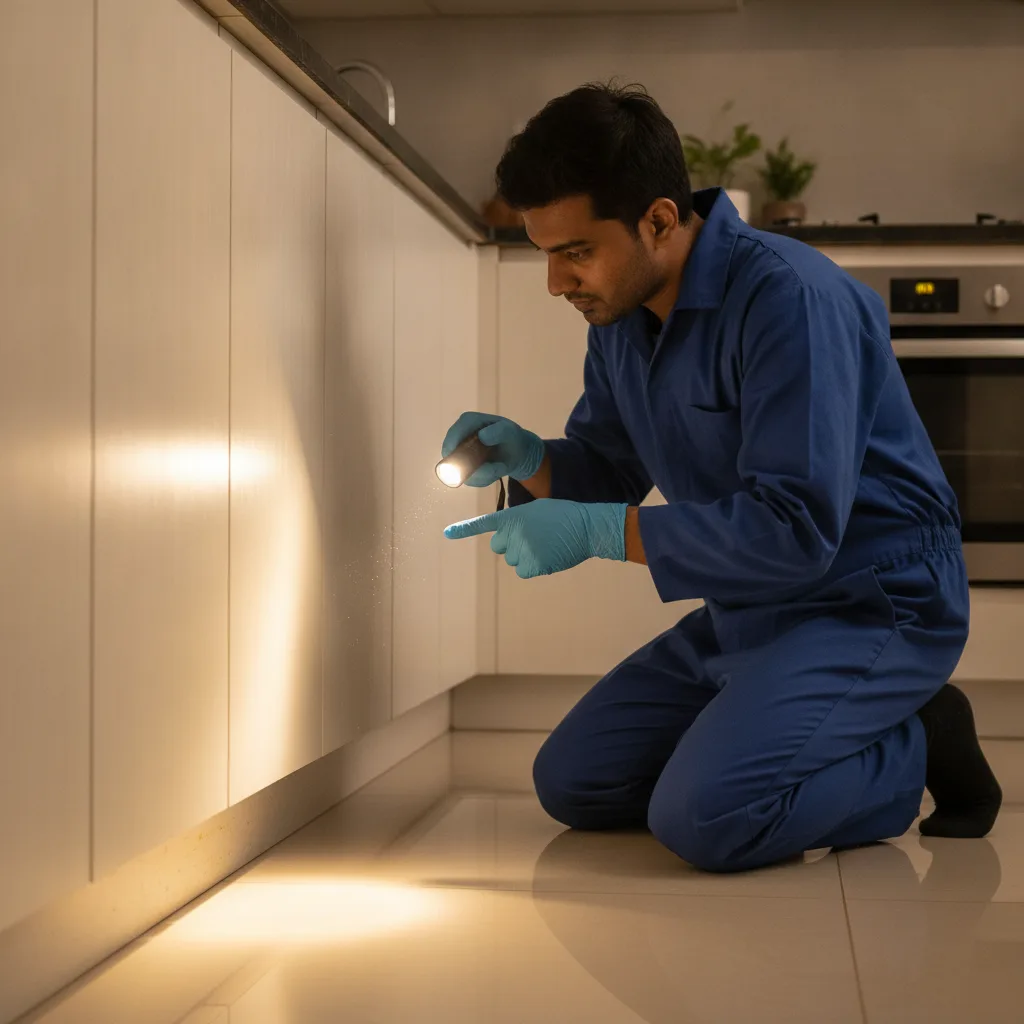
- Shine a torch along wood joints for small pellet-like droppings
If you find even one of these signs, don't try to treat it yourself with a spray bought off a shelf. Surface sprays kill the termites they touch but do nothing to the colony underground, which can hold thousands of workers.
- Mud tubes along foundations are the clearest sign of an active subterranean termite colony
- Hollow-sounding or soft wood often means the damage is already extensive inside
- Discarded wings near windows after the first rains signal a new colony establishing nearby
- DIY sprays kill visible termites but rarely reach the underground nest
- Early detection usually means localised treatment instead of furniture or frame replacement
For a closer look at how damage progresses once termites get established, our earlier piece on early signs of termite damage walks through what the tunnelling actually looks like once wood is opened up.
KBS has been treating termite colonies across Bengaluru homes for over 8 years, and the pattern is almost always the same: the signs were there for months before anyone called us. If you've spotted any of the above, get it checked now rather than later. Book Pest Control Service and let our team inspect the colony before it spreads any further into your home's structure.
Want this handled by professionals in Bengaluru? Book KBS Pest Control Service, or message us on WhatsApp.