How to Prevent Cockroaches in Your Kitchen: Easy Maintenance Tips for Bengaluru Homes
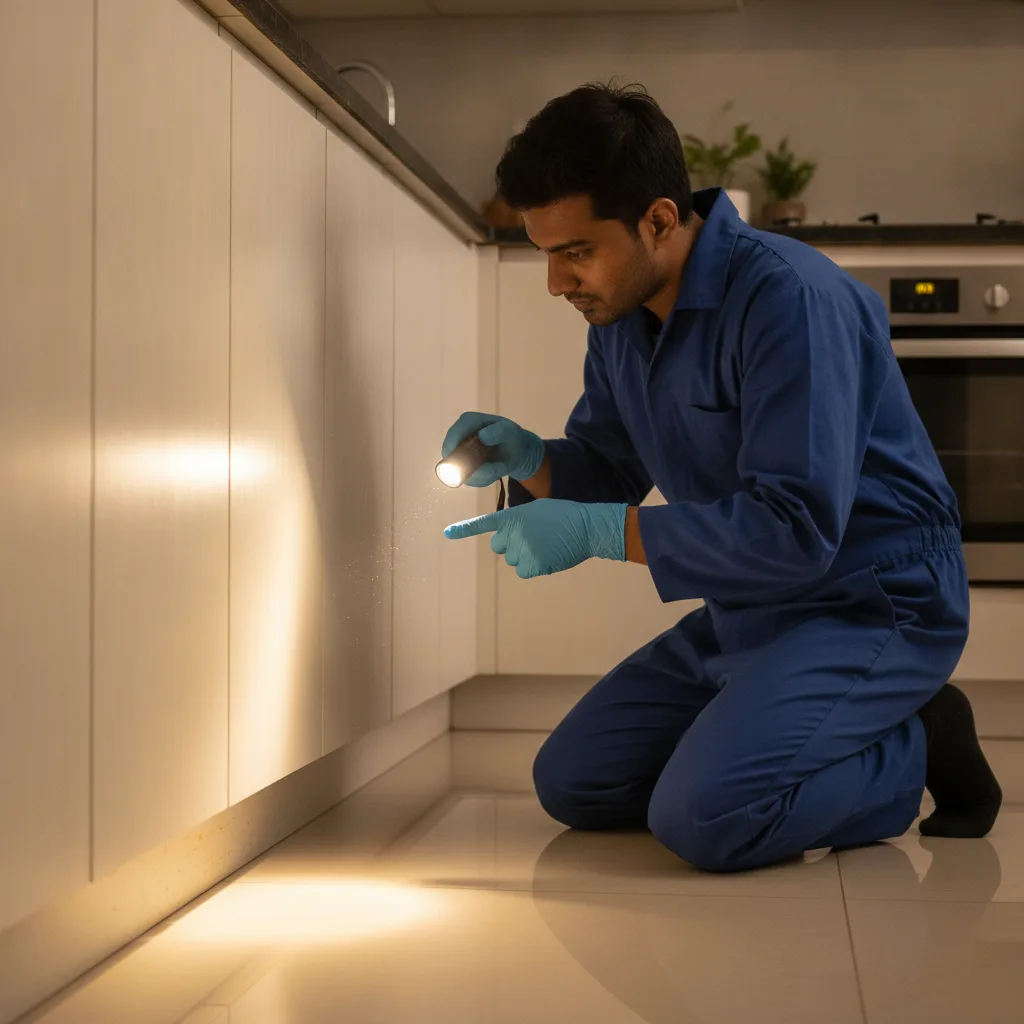
If you've ever switched on the kitchen light at midnight and seen something scatter under the counter, you know the feeling. Cockroaches don't show up randomly. They're chasing three things: food crumbs, water, and dark, undisturbed corners. Bengaluru kitchens, especially ones near drains or with older plumbing, give them all three without much effort.
The good news is that prevention is mostly habit, not chemicals. Wipe the right spots at the right time, store food properly, and close off the gaps roaches use to travel between your kitchen and the building's drains. Do that consistently and you remove most of what's attracting them in the first place.
Where habits alone aren't enough, like a hatched infestation already breeding behind the fridge or inside cabinet joints, it's worth calling in a professional pest control service rather than fighting it with sprays that only kill what you can see.
Why Bengaluru kitchens are particularly roach-prone
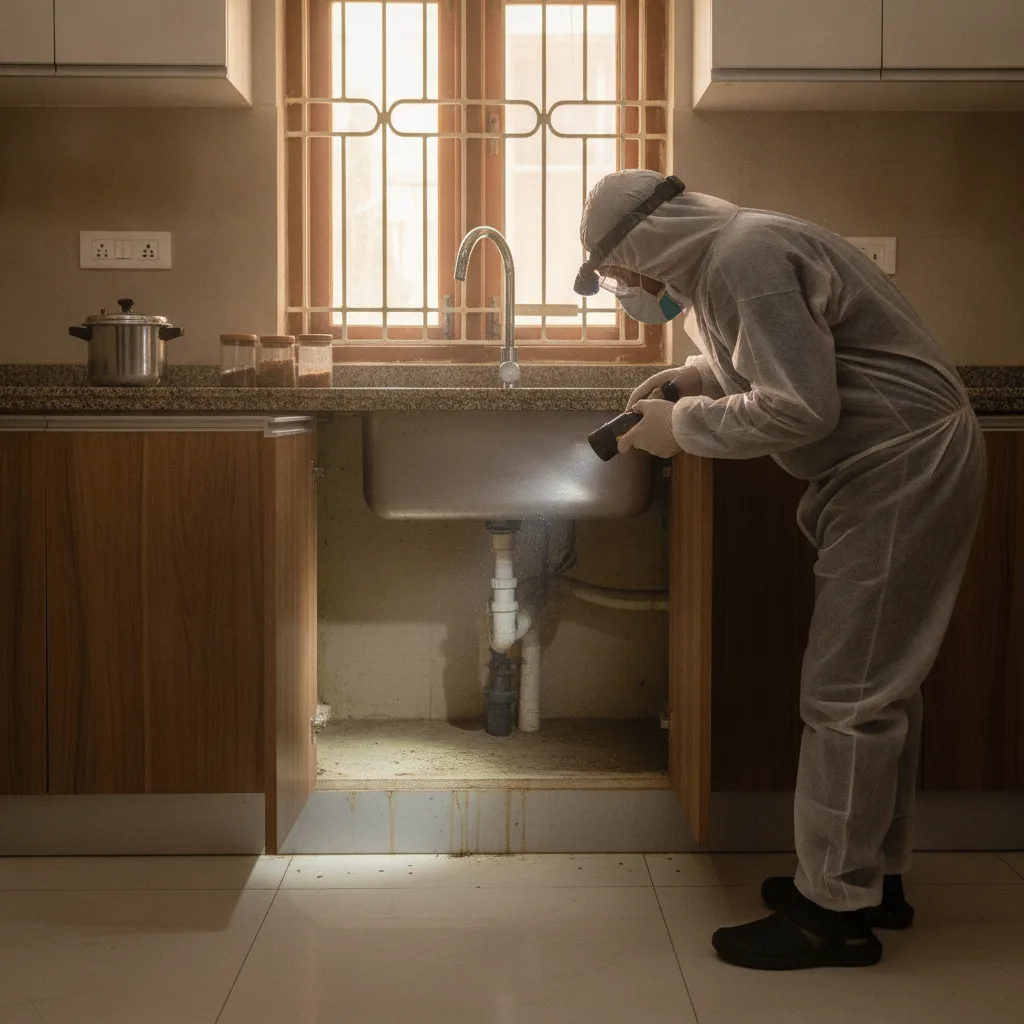
Cockroaches need three things to survive: food, water, and warmth. A typical Bengaluru kitchen supplies all three without trying. Apartment buildings share plumbing shafts and drain lines, so roaches travel easily from one unit's kitchen to another through gaps around pipes.
Monsoon months make it worse. Humidity keeps surfaces damp longer, and damp cardboard or newspaper lining shelves becomes a breeding ground. German cockroaches, the small tan ones usually found near stoves and sinks, can lay an egg case every week in the right conditions. That's why a problem that looks minor in August can be a full infestation by October if nothing changes.
The daily habits that actually make a difference
Most roach problems trace back to five or six repeated mistakes. Fix these and you've solved 80% of the problem before you ever need a spray.
- Wipe counters after every meal, not just at night. Even a few rice grains or a splash of dal left out overnight is enough to feed a colony.
- Don't leave dishes soaking overnight. Standing water with food residue is exactly what roaches look for after dark.
- Store dry goods in sealed containers, not open packets. Atta, rice, and sugar bags with a twist-tie are not roach-proof. Glass or hard plastic with a tight lid is.
- Take out kitchen waste daily. A bin with a lid helps, but an overnight bag of peels and leftovers is still a food source even if it's covered.
- Dry the sink area before bed. Roaches drink from wet sponges and damp sink edges just as readily as from a bowl of water.
- Check behind the fridge and stove monthly. Crumbs and grease collect where you can't see them, and these are the two most common breeding spots in any kitchen.
Sealing the entry points they're using right now
Even a spotless kitchen will get roaches if they can walk in from a neighbour's unit or the building drain. Look for gaps around the base of the kitchen sink pipe, the washing machine outlet, and any wall opening where a cable or exhaust pipe passes through. A gap as small as 1.5mm, about the width of a coin's edge, is wide enough for a young roach to squeeze through.
Seal these with silicone sealant or steel wool packed into the gap before sealing over it (steel wool stops them from chewing through soft sealant later). Check the rubber gasket on your kitchen drain trap too. If it's cracked or missing, that's an open corridor straight from the sewer line into your sink cabinet.
What to do about shared drains in apartments
In apartment blocks, roaches often travel through the common drainage stack rather than from a specific flat. If you've sealed your own kitchen thoroughly and are still seeing roaches, the source is likely a neighbouring unit or the building's waste line. This is one case where individual effort has limits, and a coordinated treatment with your building's facility team gets better results than repeated DIY attempts.
Natural remedies: what actually works and what's mostly myth
Boric acid mixed with a little sugar and flour, rolled into small balls and placed near skirting boards, does genuinely work. Roaches carry it back to the nest and it kills the colony over 1-2 weeks, not just the one roach that ate it. Bay leaves and cucumber peels, often shared as home remedies, have weak scent deterrent effects at best and won't touch an existing population.
Baking soda and sugar mixed in equal parts is another one that has some real basis. The sugar attracts them, the baking soda reacts with stomach acid when ingested. It's slower than boric acid but safer around pets. Neither of these fixes a true infestation on its own, they're maintenance tools for a kitchen that's already mostly under control.
When home methods stop being enough
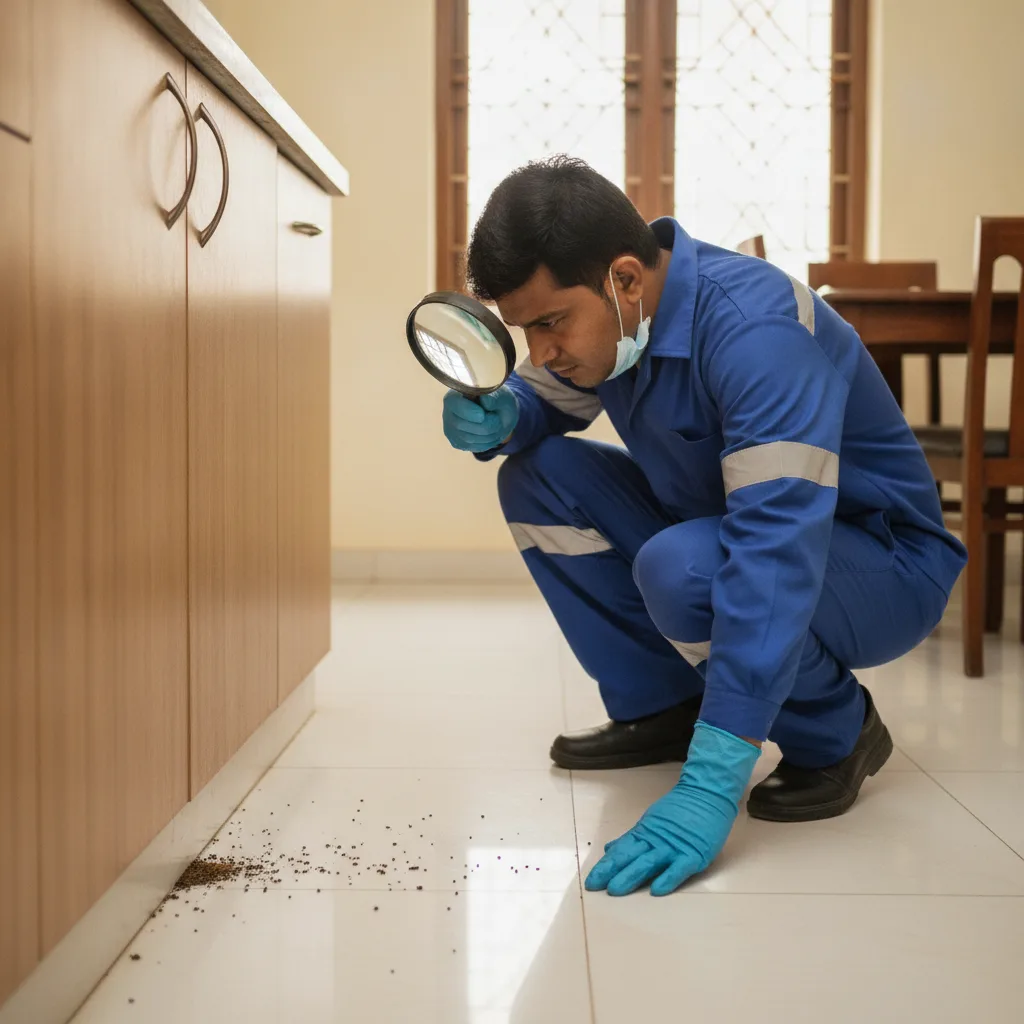
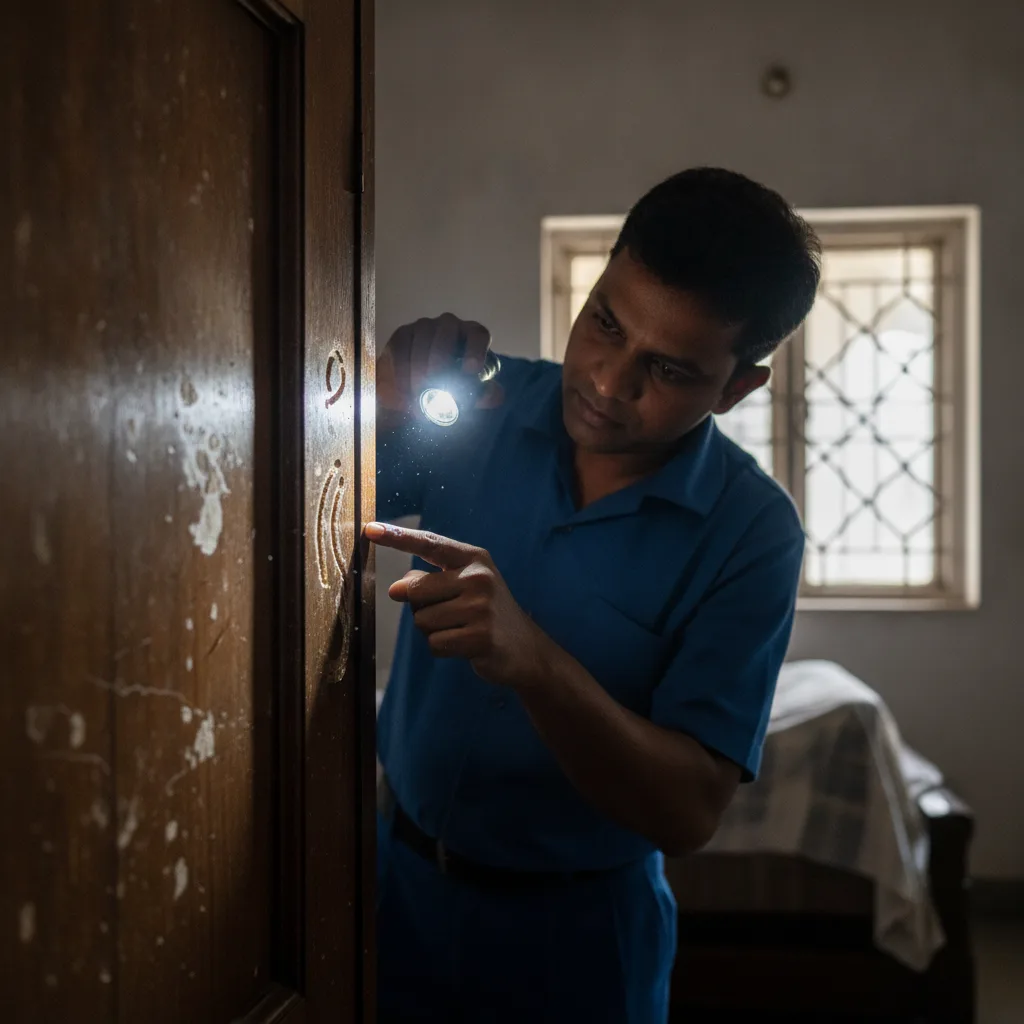
If you're seeing roaches during the day, not just at night, that usually means the population has outgrown the hiding spots and is spilling into visible areas. Daytime sightings, egg casings (small brown capsules, about 8mm long) behind drawers, or a musty oily smell near the stove are signs that habit changes alone won't fix it anymore.
At that point, a professional treatment using gel baits and targeted spraying in breeding zones clears an infestation far faster than retail sprays, which mostly scatter roaches into new hiding spots rather than killing the colony.
- Wipe counters and dry the sink every night, that alone removes most of what attracts roaches
- Store dry food in sealed containers, not loosely tied packets
- Seal gaps around pipes and drain traps with silicone and steel wool
- Boric acid baits work on existing colonies; bay leaves and peels mostly don't
- Daytime sightings or egg casings mean it's time for professional treatment, not another spray can
A clean kitchen with a few sealed gaps keeps most roach problems from ever starting. But once they've established a nest behind an appliance or inside a cabinet joint, patience and vinegar sprays won't finish the job. KBS has been treating Bengaluru kitchens for eight years now, and if yours has reached that stage, it's worth getting a proper Book Pest Control Service scheduled before the colony spreads further.
Want this handled by professionals in Bengaluru? Book KBS Pest Control Service, or message us on WhatsApp.