Hard Water Problems in Whitefield Apartments: Causes, Effects, and Solutions
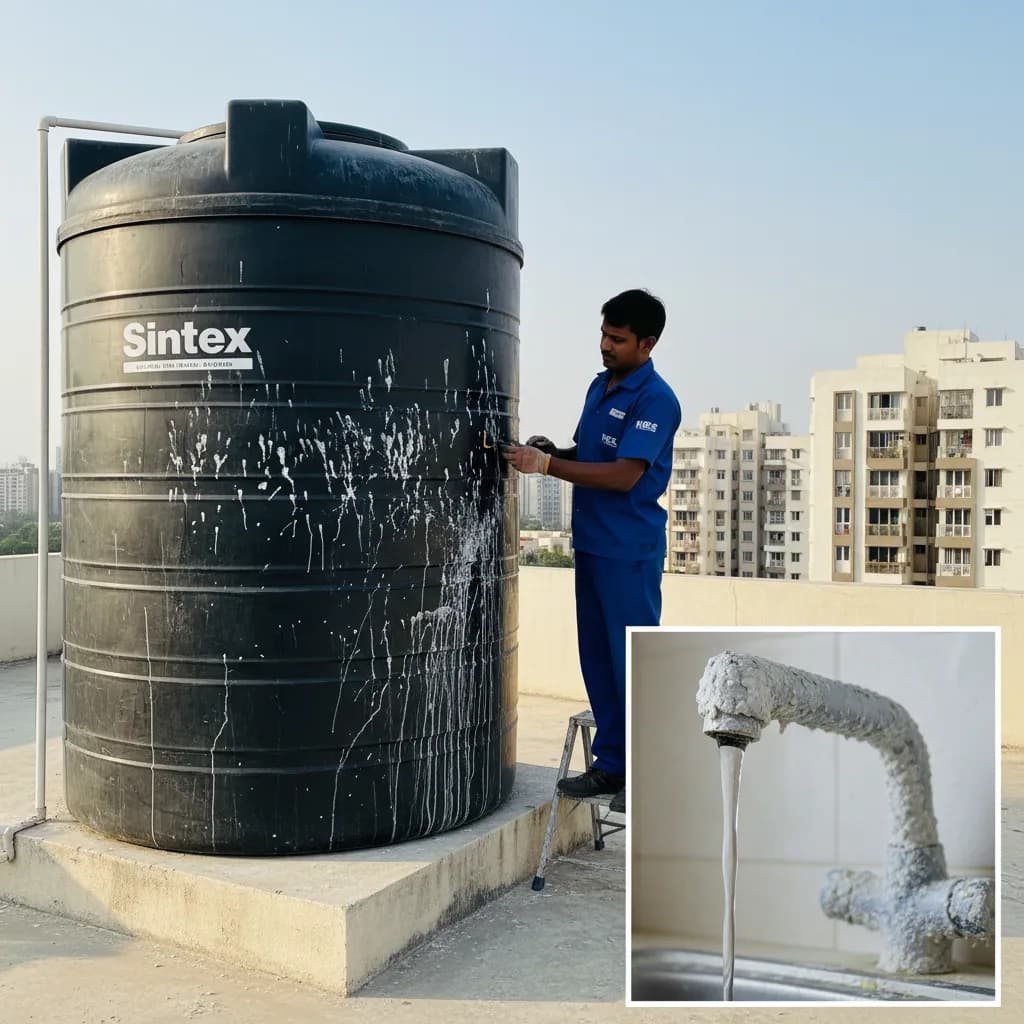
Whitefield's apartments, like much of Bengaluru's tech belt, run largely on borewell and groundwater that is naturally high in minerals, so hard water is a common complaint here. If you have noticed white deposits on taps, stiff, faded laundry, or dry skin after a shower, hard water is the likely cause. Here is what drives it, how it affects your home, and what actually helps.
What Causes Hard Water Here
Hard water simply has a high concentration of dissolved minerals, mainly calcium and magnesium. The groundwater in this part of the city is rich in them because of the local geology, and as more complexes rely on borewells, hard water has become a widespread concern for residents.
Common Signs in Your Apartment
- White, chalky deposits on taps, shower heads, and fittings
- Soap scum that is hard to clean off tiles and glass
- Laundry that feels stiff and looks faded
- Spots and streaks on dishes even after washing
- Dropping water pressure from mineral buildup in pipes
- Dry, itchy skin and dull hair after bathing
- Higher electricity bills from a scaled, less efficient geyser
The Impact on Your Home
Hard water is more than a cosmetic nuisance. Scale builds up inside water heaters, washing machines, and other appliances, cutting their efficiency, raising energy use, and shortening their life, which can cost a lot in repairs and replacements. Limescale in the pipes also restricts flow, lowering pressure and leading to plumbing trouble over time. In a modern apartment, protecting those appliances is worth the effort.
Why Heat Makes the Scale Worse
The white crust on a geyser element is not random. When hard water is heated, the dissolved calcium and magnesium come out of solution and set as a hard scale of calcium carbonate on the hottest surfaces, which is why heaters, kettles, and geysers scale fastest. That scale is an insulator, so the element has to work longer and hotter to warm the same water, which is the real reason a scaled geyser costs more to run and fails sooner.
The same chemistry plays out more slowly in cold pipes and fittings, where minerals build a lining that narrows the bore and drops the pressure over time. It is why hard-water problems tend to creep up rather than appear overnight.
Health and Daily Life
Hard water is generally safe to drink, but it affects daily life. Many residents find it aggravates dry skin, eczema, and hair problems, and because the minerals stop soap lathering, you use more product for a less effective clean.
What Actually Helps
- Water softeners: a whole-house or point-of-use softener removes the calcium and magnesium, the most direct fix.
- RO systems: effective for drinking water, reducing minerals at the tap.
- Regular descaling: professional cleaning of appliances and fittings to remove existing buildup.
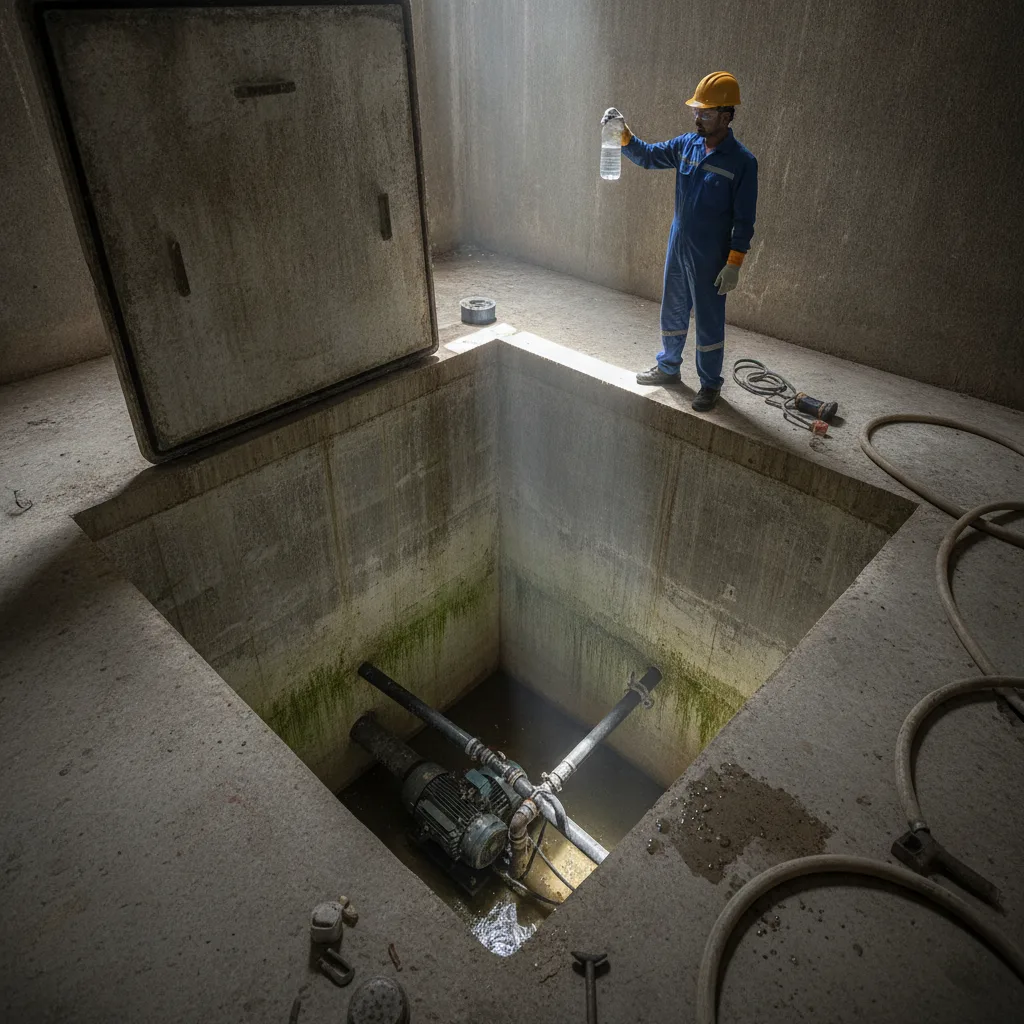
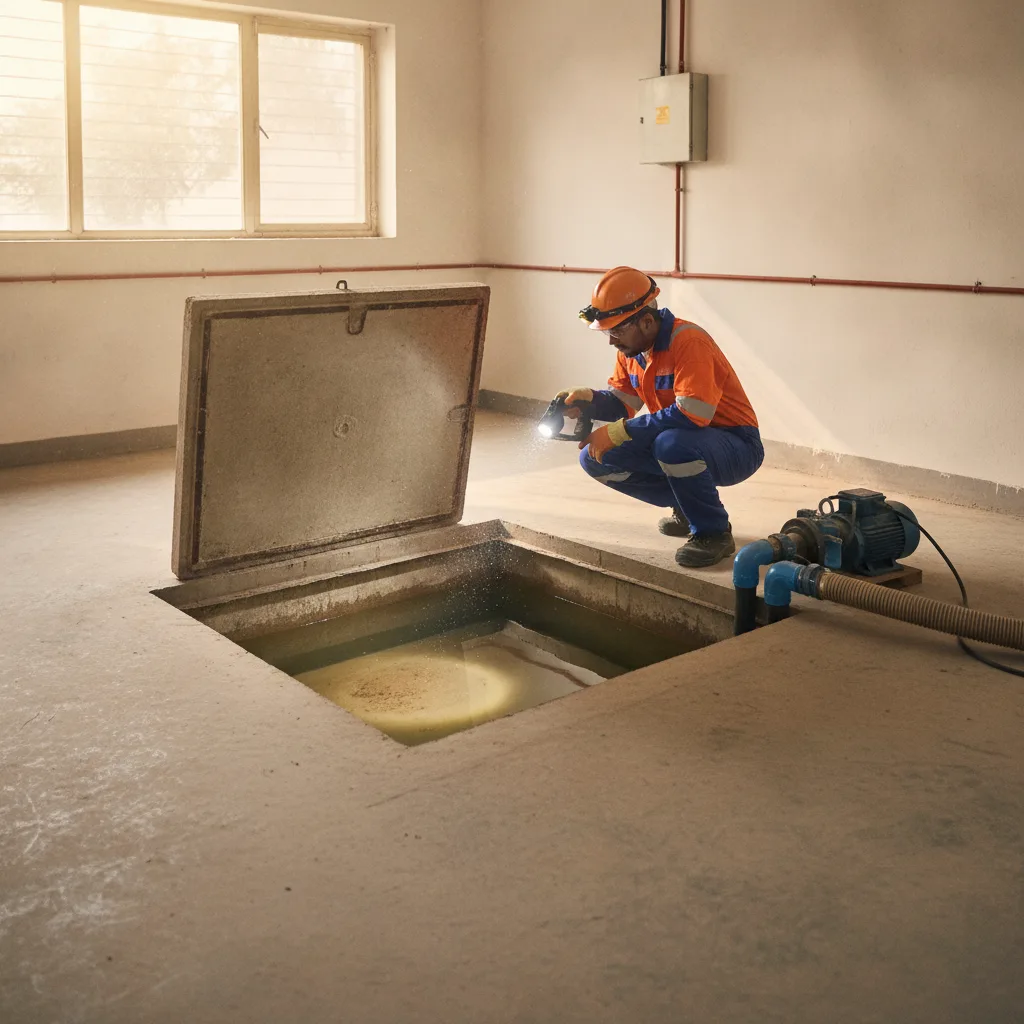
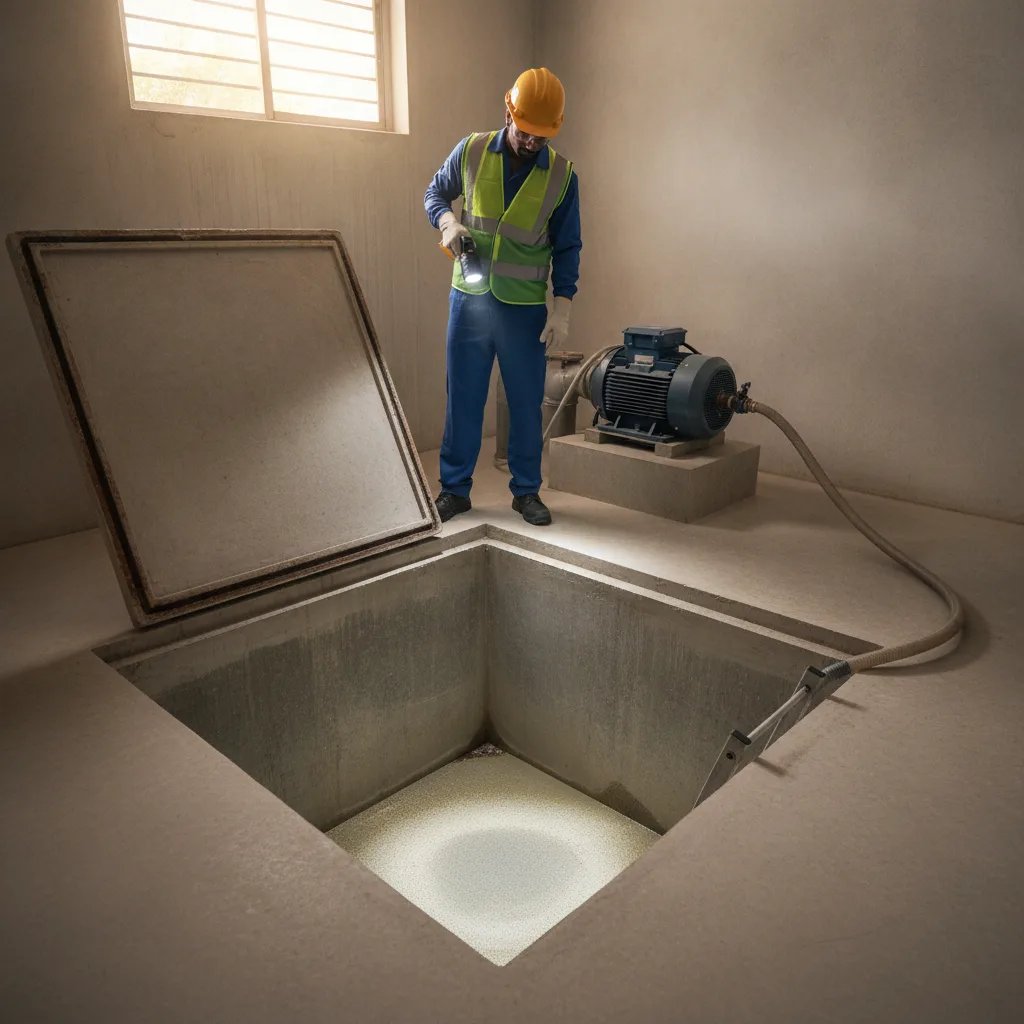
- Tank cleaning: a hard-water tank scales and holds sediment faster, so a regular clean keeps it from adding to the problem.
A softener works by ion exchange: the water passes through a resin that swaps its calcium and magnesium for sodium, so the water leaving it no longer scales. The resin needs periodic regeneration with salt to keep working, which is the main upkeep. This is why softening treats the cause, while descaling and tank cleaning deal with buildup that has already formed, and most homes here need both.
Since hard water leaves more deposits and sediment inside storage, a regular water tank and sump cleaning is part of managing it, alongside softening the water itself.
Simple Preventive Steps
Fit aerators with built-in filters on taps, clean shower heads monthly with a vinegar solution, and flush the geyser once a year to clear sediment. Many apartment associations are now looking at community-level softening, which often works out cheaper than individual units.
Dealing with scale and sediment? You can book a water tank and sump cleaning with KBS to keep hard-water buildup in check.
Want this handled by professionals in Bengaluru? Book Water Tank Cleaning, or message us on WhatsApp.