How Often Should You Clean Your Water Tank in Bengaluru?

Even clean-looking water picks up sediment, algae, and bacteria once it sits in a storage tank. In Bengaluru, where homes run on a mix of BWSSB supply, borewell water, and tankers, how often you should clean your tank depends on your water source, your tank, and how the water is used. Here is a clear guide to the right interval for your home, and the signs that say clean it now.
- Clean overhead tanks every six months, sumps at least once a year
- Borewell or tanker water means cleaning more often, every three to four months
- The Bureau of Indian Standards recommends a six-month interval as the baseline
- Slime, cloudy water, or an earthy smell means clean now, whatever the calendar says
- Regular cleaning is cheaper than one emergency deep clean after a problem
The Baseline: Every Six Months
For most Bengaluru homes, cleaning the water tank twice a year is the sensible default, and it matches the Bureau of Indian Standards recommendation. Over six months, enough sediment and biofilm build up on the walls and floor to affect taste, clarity, and safety, even when the incoming water looks fine. Two cleanings a year keep the tank ahead of that buildup without over-servicing.
How Often for Your Situation
Your ideal interval shifts with your water source, tank type, and surroundings. Use this as a guide:
| Your situation | Recommended frequency |
|---|---|
| BWSSB (Cauvery) supply only | Every 6 months |
| Borewell water | Every 3 to 4 months |
| Mostly tanker water | Every 3 months |
| Overhead tank | Every 6 months |
| Underground sump | Once a year, twice on borewell or tanker |
| Construction nearby or a recent water problem | As soon as it settles |
Borewell water carries more minerals and sediment, so it leaves deposits faster. Tanker water varies in quality and often adds sludge. Sumps sit at ground level and collect more than a sealed overhead tank, which is why they need attention at least yearly even in a clean-supply home.
What Changes the Frequency
Water source
This is the biggest factor. Clean BWSSB supply lets you stay at six months. A borewell with high TDS or iron pushes it to three or four.
Tank age and material
Older tanks and rough concrete or ferro-cement walls hold biofilm more than smooth plastic, so they need cleaning a little more often. Tanks past ten years also tend to develop cracks that let in contamination.
Household and usage
Homes with children, elderly members, or anyone with low immunity should lean towards the shorter interval, since the health cost of contaminated water is higher.
Local conditions
Nearby construction throws dust and particulates into the supply. Street flooding or a murky tanker delivery are both reasons to clean sooner rather than wait for the next scheduled slot.
Signs Your Tank Needs Cleaning Now
- Water smells musty, earthy, or faintly of sewage
- A brown tinge or visible particles when you fill a bucket
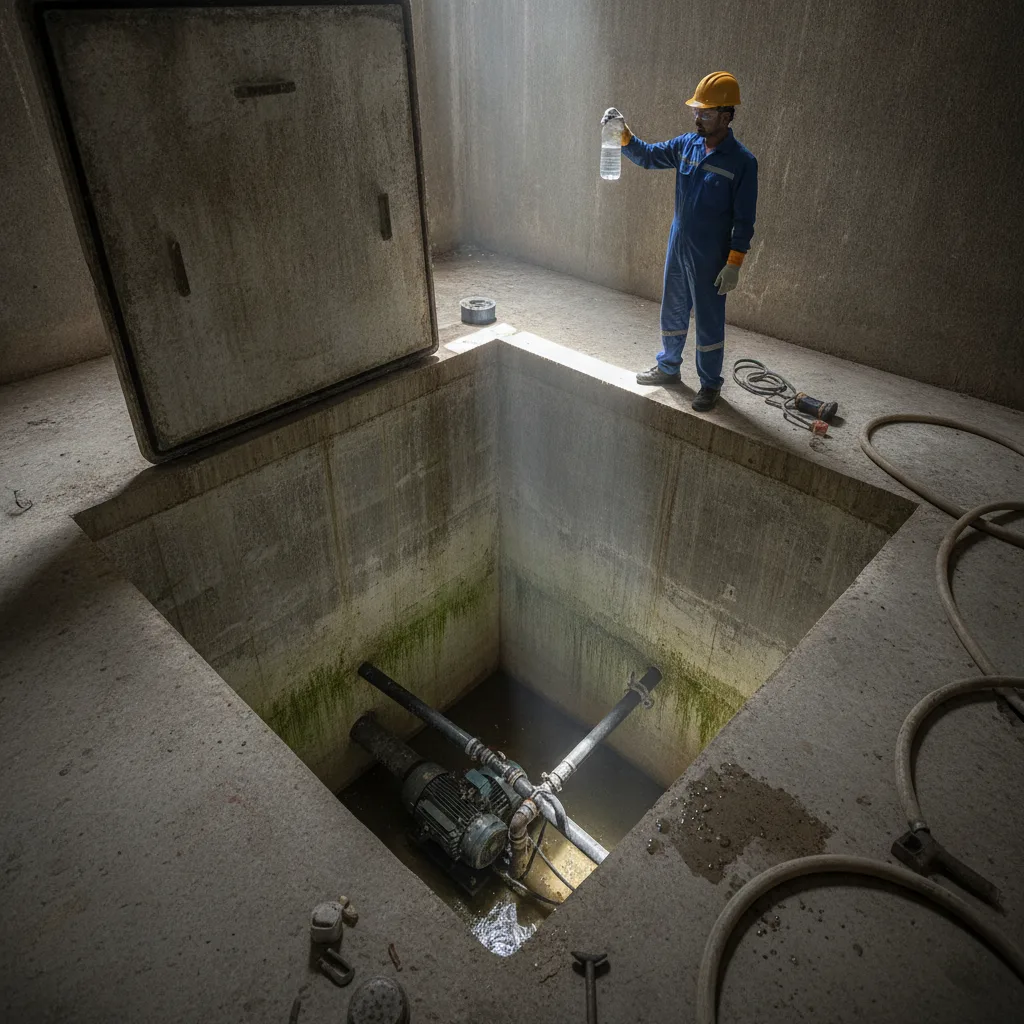
- Slime or algae on the tank walls or around the lid
- Repeated stomach upsets in the family with no other cause
- More than six months since the last cleaning
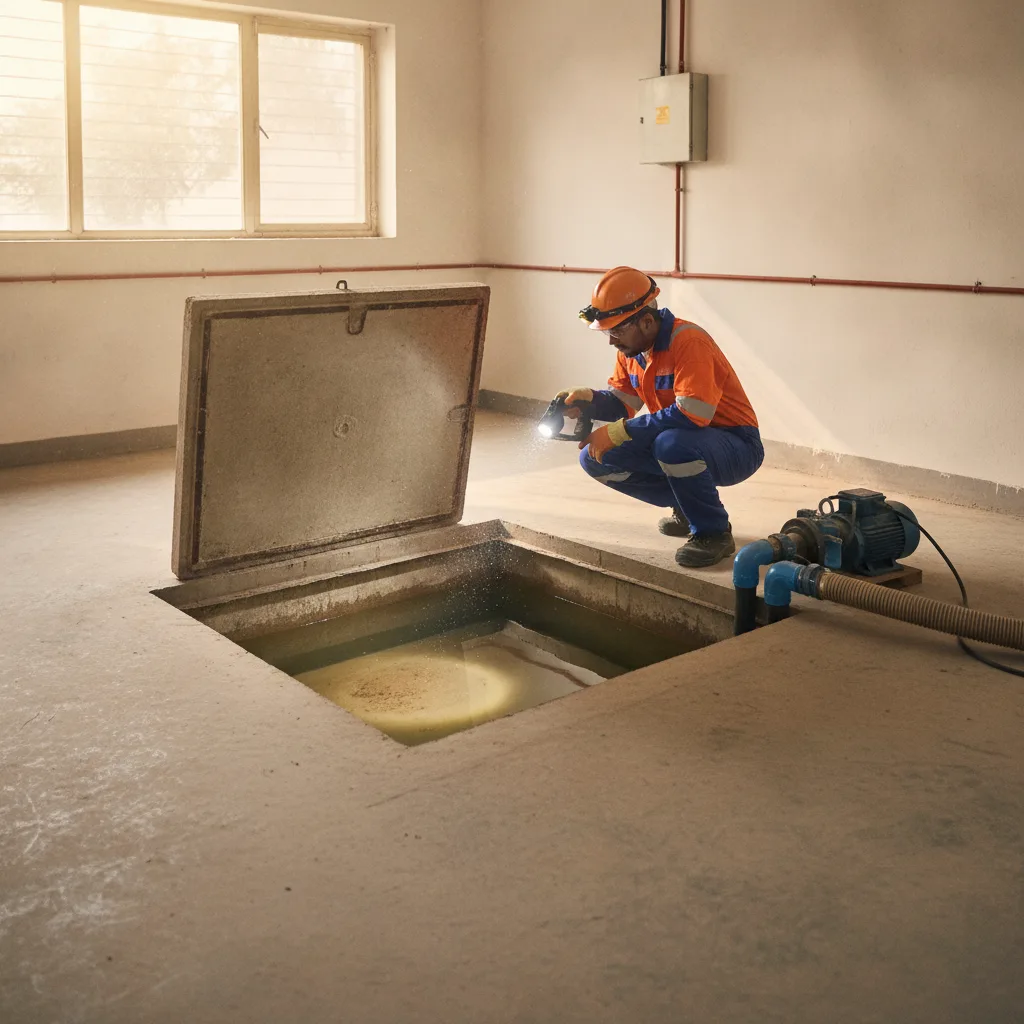
Any one of these is a reason to book a professional water tank cleaning rather than wait for the calendar.
Why Sticking to a Schedule Pays Off
Regular cleaning is cheaper and easier than dealing with a neglected tank. A tank left for a year or more builds thick sludge that takes longer to clean, and contaminated water can mean days of illness and higher medical bills. A fixed schedule, set to your water source, keeps the water safe and the job quick each time.
Frequently Asked Questions
How often should I clean my tank on borewell water?
Every three to four months. Borewell water carries more minerals and sediment, which settle and build up faster than treated BWSSB supply.
Is the sump schedule different from the overhead tank?
Yes. Overhead tanks every six months; sumps at least once a year, and twice a year on borewell or tanker water, since they collect more sediment.
Does the tank need cleaning if the water looks clean?
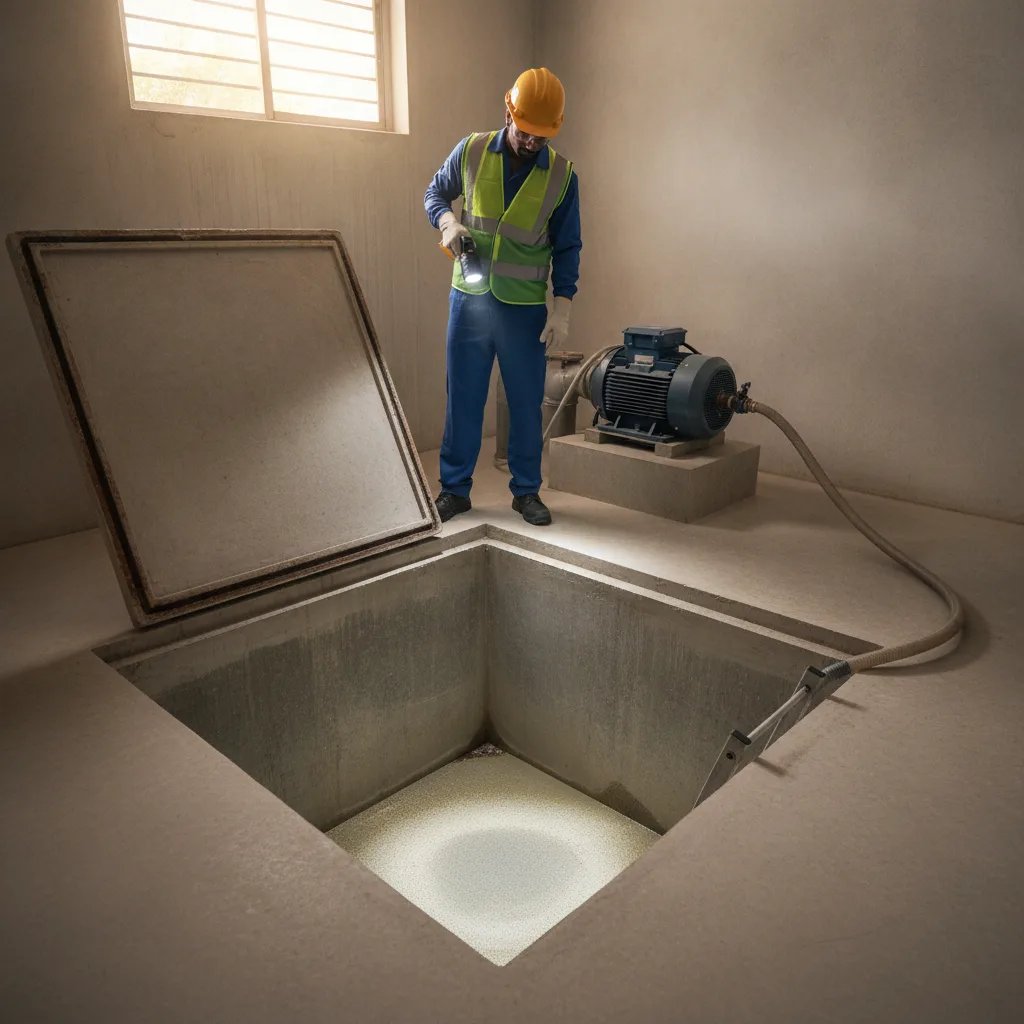
Yes. Sediment and biofilm build up on the walls and floor even when the water looks clear, so a six-month clean is worth it regardless of appearance.
Can I stretch it to once a year to save money?
It is not advised. A yearly-only tank builds heavier sludge that costs more to clean and raises the risk of contamination in between. Two lighter cleanings usually work out better.
Not sure what interval fits your home? You can book a water tank and sump cleaning with KBS and the team will advise a schedule based on your water source.
Want this handled by professionals in Bengaluru? Book Water Tank Cleaning, or message us on WhatsApp.