Is Your Sump a Mosquito Breeding Ground? Signs to Watch Out For
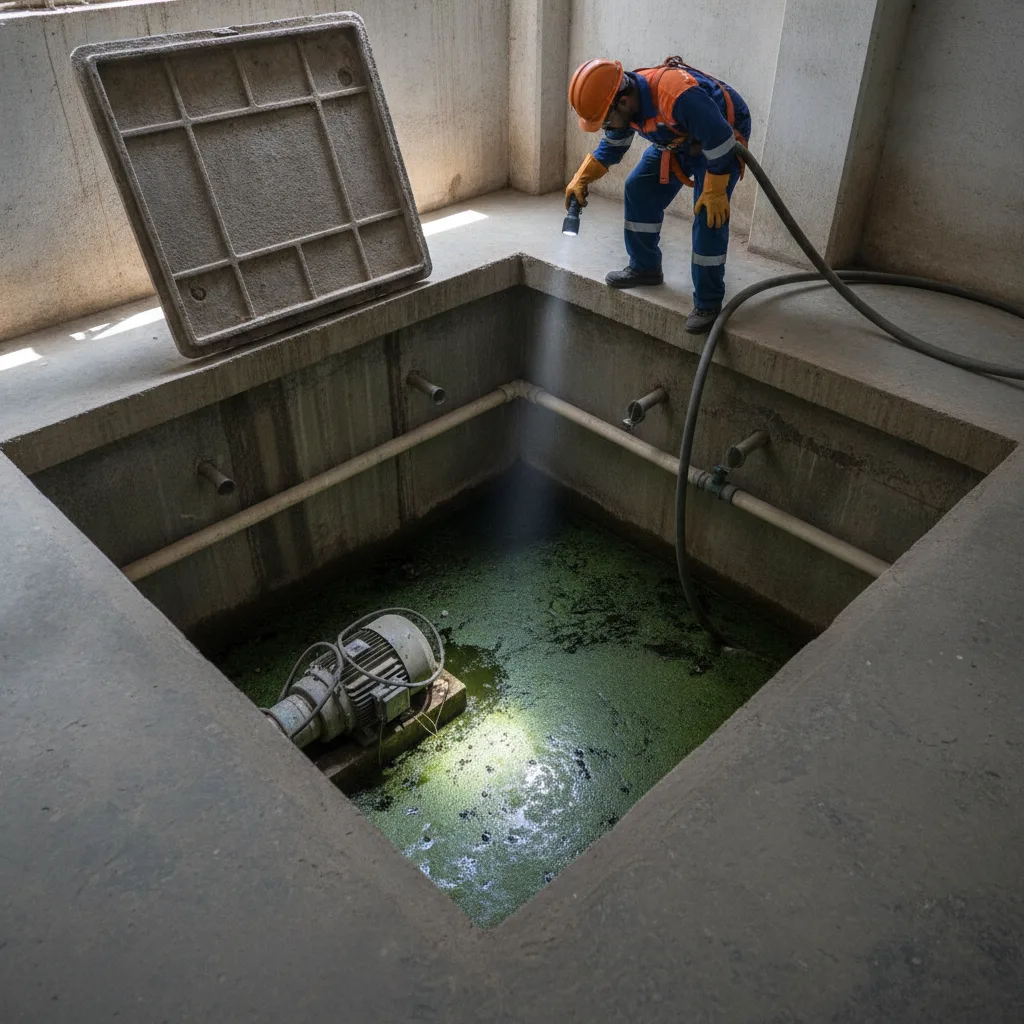
You clean the floor, you check the drains, but nobody thinks to peek into the sump. That's exactly the gap mosquitoes exploit. A sump with even a small crack in the cover, or water sitting still for a week too long, becomes a ready-made nursery for larvae.
Bengaluru's mix of monsoon downpours and long dry stretches makes this worse than people expect. Water levels rise and fall, covers warp with age, and the dark, humid space inside a sump is exactly what mosquitoes look for when picking a spot to lay eggs.
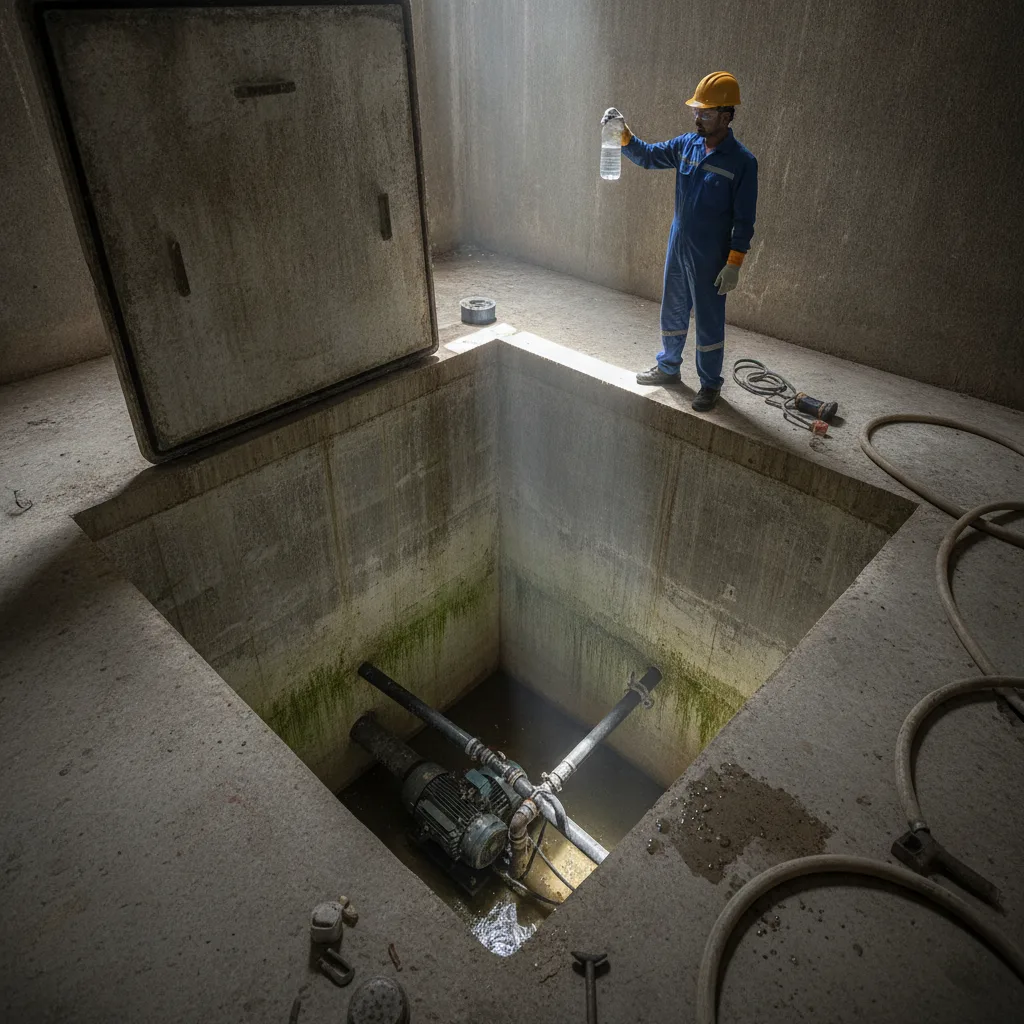
If you've never had your tank inspected, it's worth booking a professional water tank and sump cleaning service before assuming everything below ground is fine.
Why a sump is such an easy target
Mosquitoes, particularly the Aedes species behind dengue, don't need much. Still water, darkness, and about 7 to 10 days undisturbed is enough for eggs to hatch into adults.
A sump ticks every box. It's underground, it's dark, and unless you're pumping water out daily, some corner of it is bound to sit stagnant, especially in large sumps built for bigger apartment blocks where turnover is slower.
Signs your sump has already become a breeding site
Most people don't find out until they see adult mosquitoes near the overhead tank room or notice something off in the water itself. Watch for these:
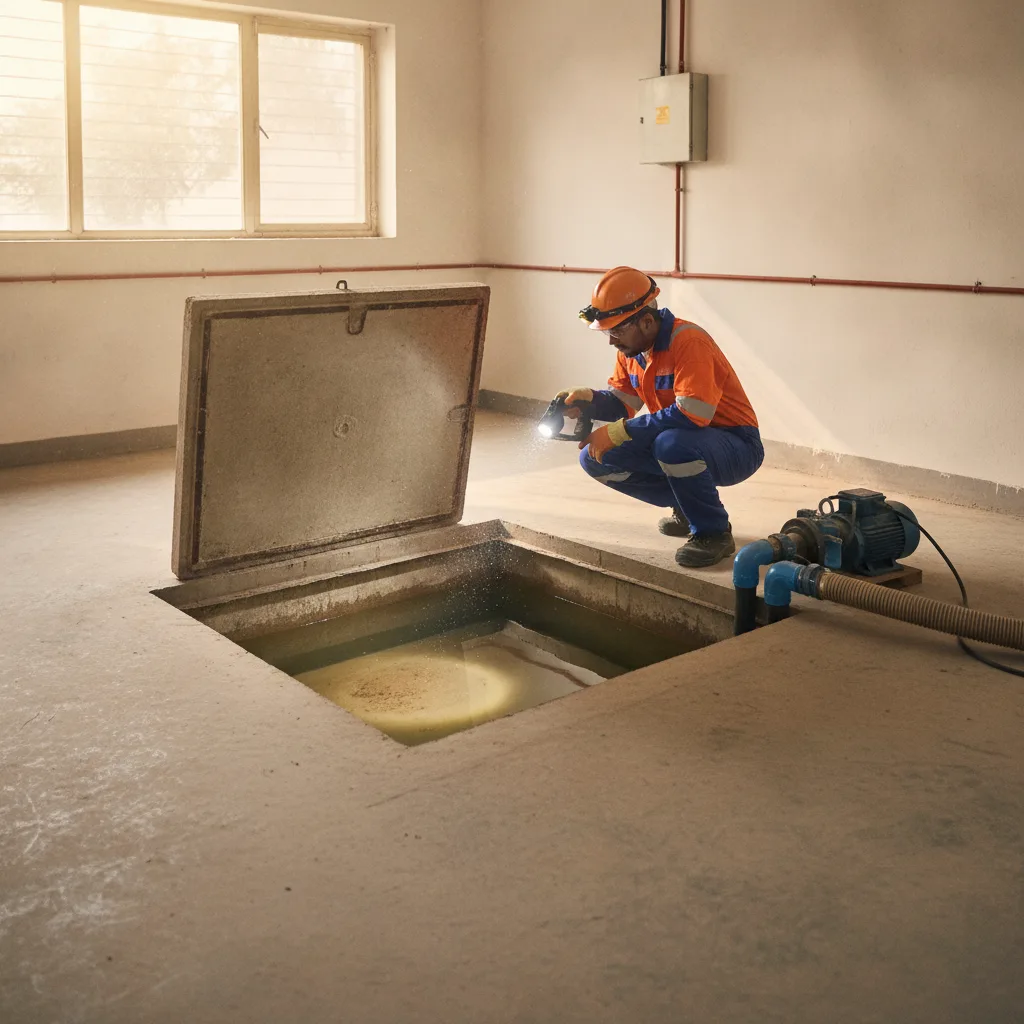
- Tiny wriggling larvae visible near the water surface when you shine a torch inside
- A film or scum layer floating on top, larvae feed near this layer because it's warmer and oxygen-rich
- Mosquitoes hovering near the sump inlet pipe or manhole opening, especially at dusk
- A musty, stagnant smell when you open the cover, different from the usual earthy smell of clean water
- Cracks, gaps, or a warped fit where the sump lid meets the chamber, these are entry points adult mosquitoes use to lay eggs even if the sump itself looks clean from above
If you spot larvae, don't just pour in whatever insecticide is at hand. That treats the symptom, not the sump mosquito breeding problem in Bengaluru's older buildings, which usually comes down to a lid that was never sealed properly in the first place.
What actually causes the breeding, not just the mosquitoes
Three things create the conditions almost every time. First, an ill-fitting or cracked cover lets in light and outside air, both of which make the sump more hospitable to egg-laying females.
Second, low water turnover. If your building draws water unevenly, or if one sump feeds a block that's partly vacant, water can sit for weeks. Third, sediment buildup on the sump floor holds organic matter that larvae feed on, so even fresh incoming water doesn't fully flush the problem out.
This is different from an overhead tank breeding mosquitoes, which usually points to a missing or damaged mesh at the overflow pipe. The sump's risk is more about the lid seal and water stagnation than ventilation.
Fixing it without overreacting
You don't need to panic or drain the whole sump every time you see a mosquito nearby. Start with the lid. If it doesn't sit flush, get it resealed or replaced, this alone stops most future breeding.
Next, check your usage pattern. Sumps that empty and refill regularly rarely have a mosquito problem because there's no time for eggs to mature. If your building has excess capacity sitting idle, that's the sump to watch.
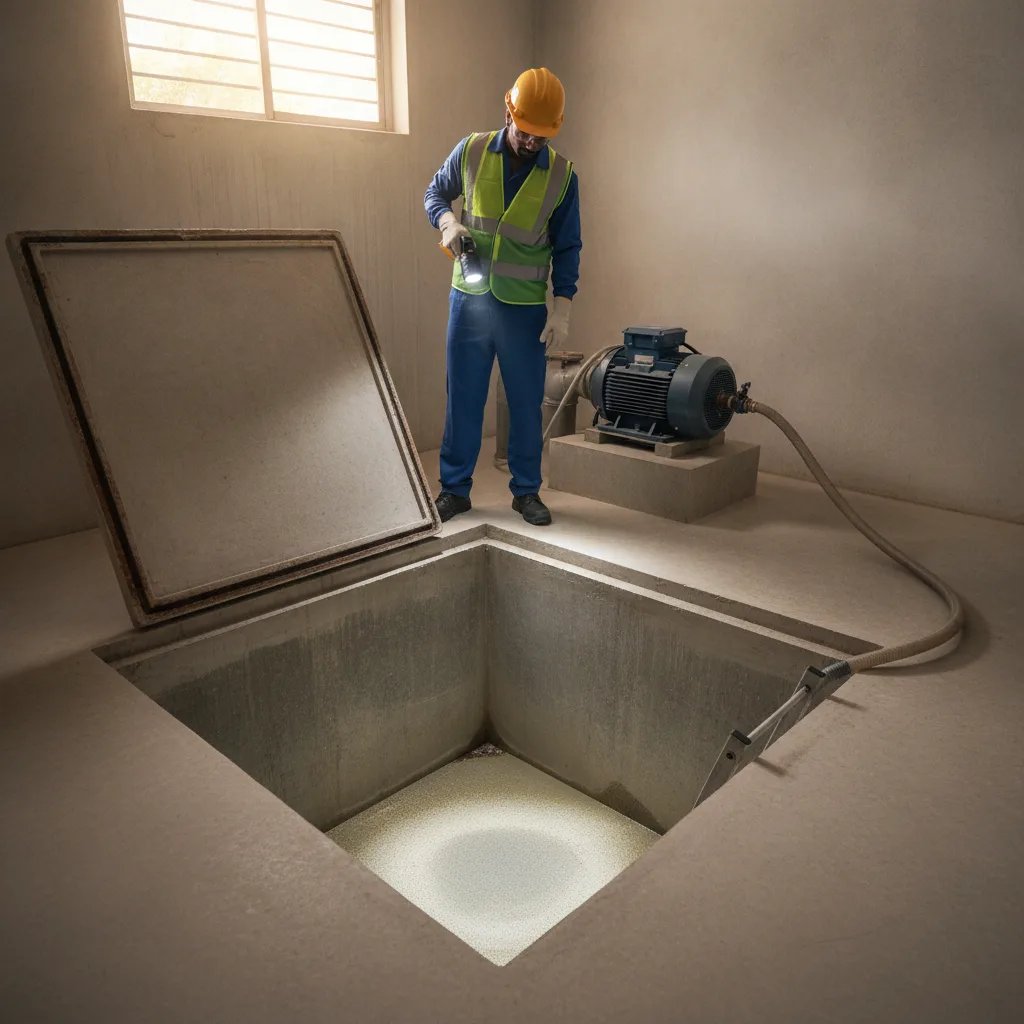
Finally, get the sediment layer cleared out professionally at least twice a year. Technicians who do this daily can tell within seconds whether a sump has old, undisturbed sludge just from the smell and colour when the cover comes off, and that sludge is often where larvae hide during the day.
- Still water for 7 to 10 days is all mosquitoes need to breed inside a sump
- A cracked or ill-fitting lid is the most common entry point, not poor water quality
- Larvae near the surface, scum film, and a musty smell are the clearest signs to check for
- Regular water turnover and a properly sealed cover prevent most infestations
- Sediment buildup on the sump floor gives larvae somewhere to hide, clean it out twice a year
If your sump hasn't been opened and inspected in a while, get it checked before the next monsoon adds more standing water to the mix. Book Water Tank Cleaning with KBS and let our team clear the sediment, check the seal, and confirm your water's safe, all in one visit.
Want this handled by professionals in Bengaluru? Book Water Tank Cleaning, or message us on WhatsApp.