Why Apartment Sump Cleaning Is Critical During Monsoon in Bangalore
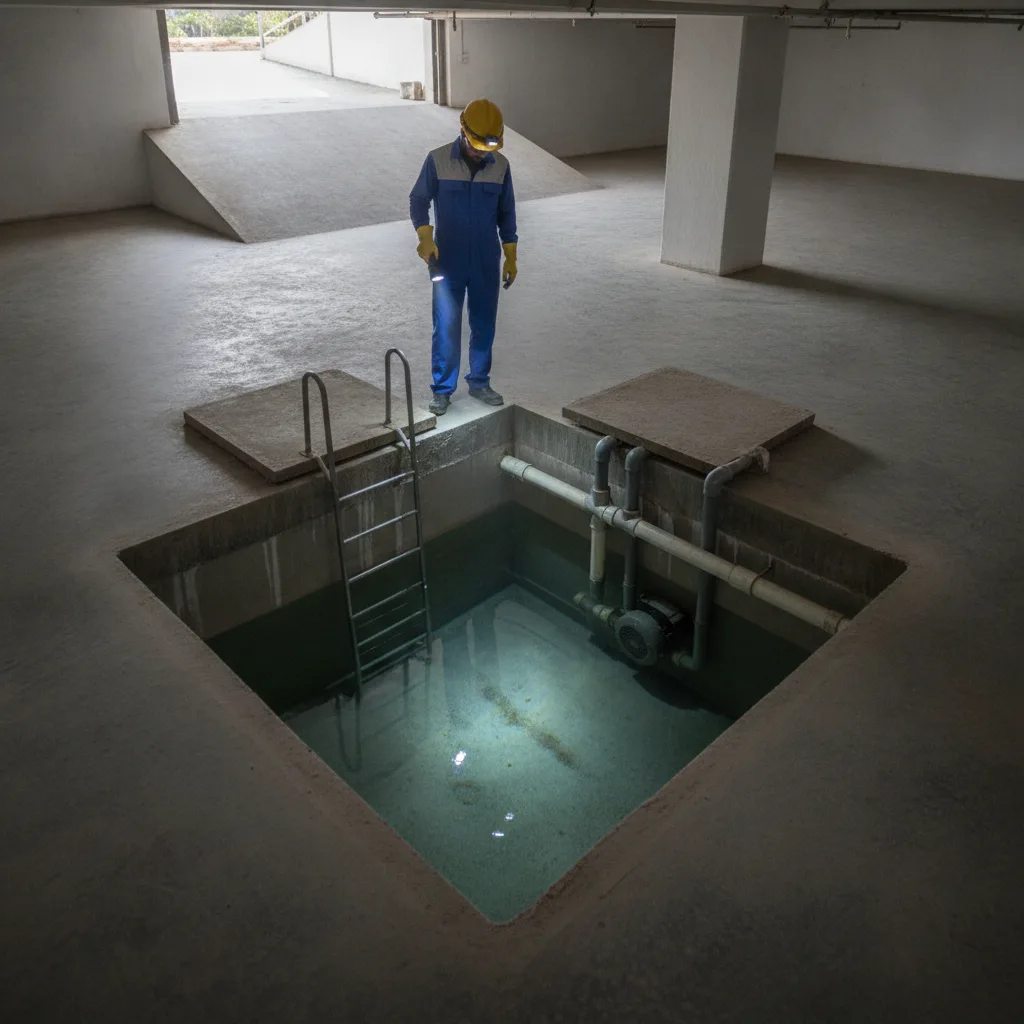
The first real monsoon downpour in Bengaluru does something most residents never think about: it pushes a fresh load of silt, dead leaves and surface runoff straight into apartment sumps through overflow pipes and loose-fitting covers. A tank that was reasonably clean in April can turn cloudy within weeks once the rains set in. This is not scare talk, it is just how water moves during monsoon.
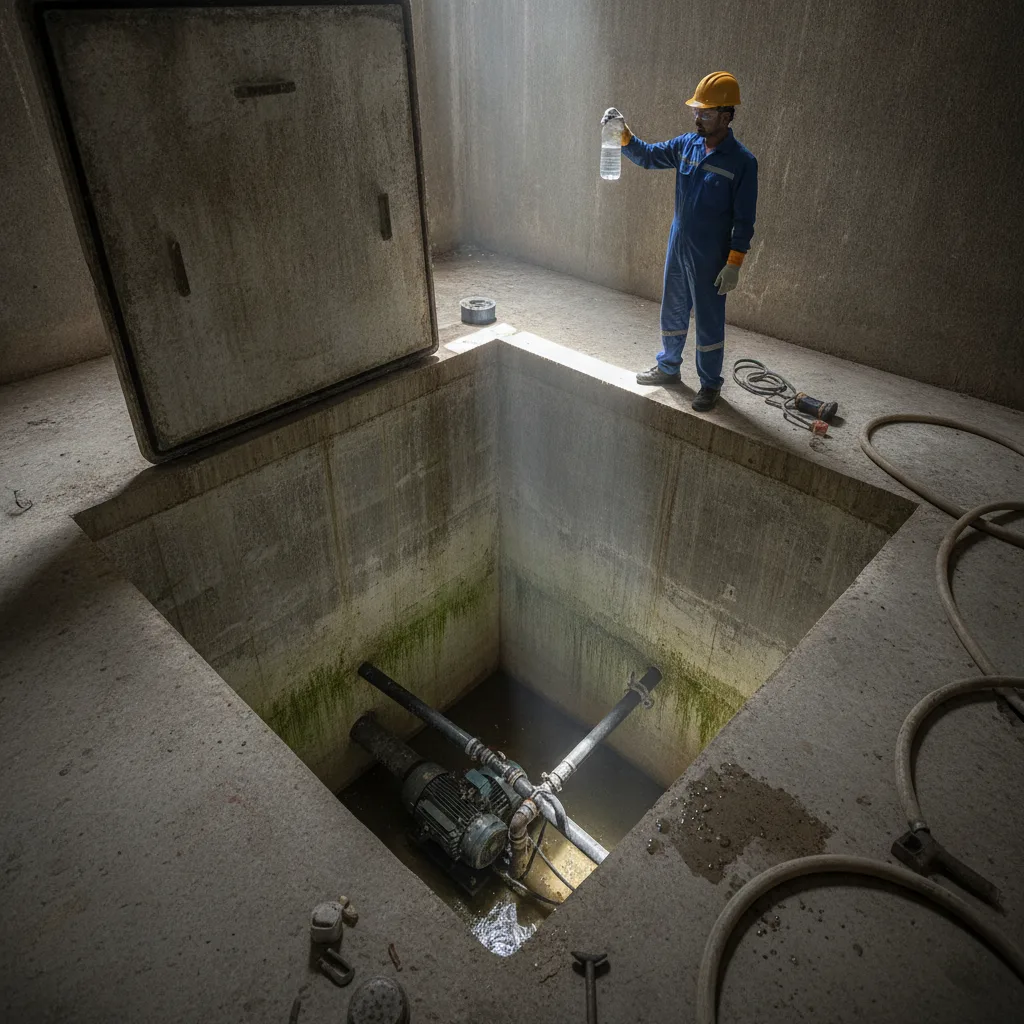
Most underground sumps in Bengaluru apartments sit close to ground level, sometimes just two or three feet below the compound surface. When it rains hard, water pools around the sump lid and inlet chambers. If the seal is even slightly worn, that runoff seeps in carrying mud, leaf litter and whatever has washed off the compound floor. We've opened sumps in September and found a visible layer of fresh silt that simply was not there in March.
That is one reason apartment managing committees plan their water tank and sump cleaning service around the monsoon calendar rather than a fixed date. Cleaning right before the rains peak, and again once they ease off, catches both the pre-monsoon buildup and the fresh contamination the rains bring in.
What actually changes in the water during Bengaluru's rains
Humidity above 80% for weeks at a stretch changes how organic matter behaves inside a closed tank. Algae that grows slowly in dry months multiplies faster in warm, moist air, especially near inlet points where light sometimes leaks in through a cracked vent.
Foam and scum that would normally dry out and flake off in summer just sits there, soft and damp, feeding bacterial growth. Sediment also settles slower because monsoon runoff keeps stirring the tank every time it rains.
BWSSB Cauvery water itself is treated before it reaches your compound, but pipeline breaks and low-pressure supply during heavy rain sometimes let groundwater or surface contamination sneak in through joints. That is on top of whatever comes from the sump's own inlet chamber. The combination is what turns a lightly dirty tank into a genuinely unhygienic one within a single monsoon season.
Where the water actually gets in
- Cracked or ill-fitting sump lids that let rainwater and mud pool and seep through
- Overflow pipes without proper mesh guards, letting leaves and insects enter
- Vent pipes positioned too close to ground level, sucking in runoff during heavy showers
- Compound drainage that channels rainwater toward rather than away from the sump chamber
Why the usual six-month gap doesn't hold up in monsoon
KBS generally recommends cleaning every 6 months for typical Bengaluru apartments. But if your last clean was in March or April, by the time August's peak rains hit, you're at the tail end of that window with the worst contamination conditions layered on top.
Apartments with borewell-dependent supply, or blocks near low-lying compounds where water logs easily, often need an extra monsoon-specific clean rather than waiting for the six-month mark. It's a small adjustment but it matters.
Signs your sump needs attention right now
You don't need a lab test to know something's off. A trained eye (or nose) catches it fast.
- Water has a faint earthy or musty smell when you first open the tap after a gap
- Visible cloudiness or a greenish tinge, especially near the overflow outlet
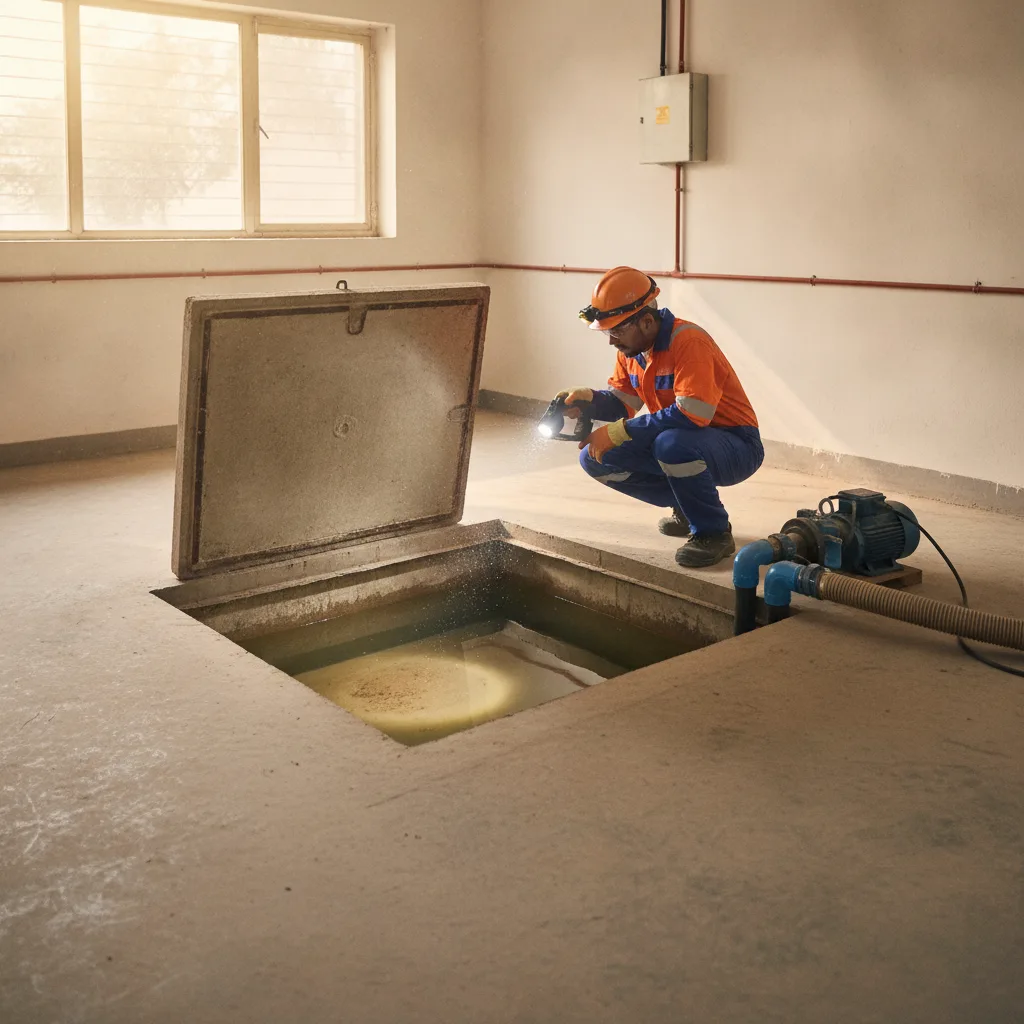
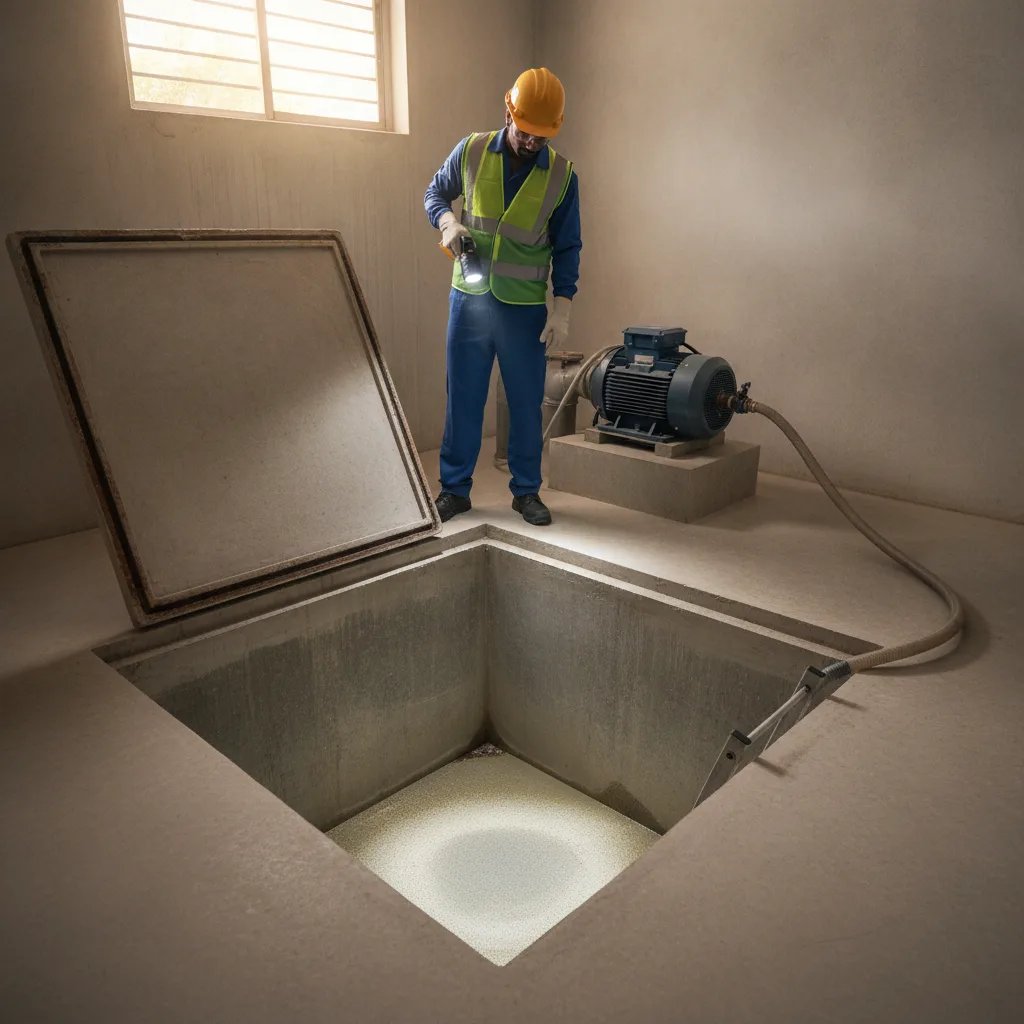
- A slimy film on the inside walls of the sump when you shine a torch in
- Slower drainage or gurgling sounds, often a sign of silt build-up near the outlet pipe
- Increased mosquito activity near the sump chamber, particularly after two or three days of standing water
What a monsoon-specific clean actually covers
A proper job during monsoon isn't just scooping out visible sludge. Our technicians check the inlet and overflow pipe seals first, since that's usually where rainwater is getting in. Then comes full water drainage, manual scrubbing of the walls and floor to remove algae film, and a check on the vent pipe height and mesh condition.
We also flush the pipeline connecting the sump to the overhead tank, since silt that settles in the sump during heavy rain often gets pulled up during pumping. Skipping that step means you've cleaned one tank and left the other contaminated.
A quick note on cost and timing
Pricing depends on sump size and access, but most Bengaluru apartment sumps (2,000 to 10,000 litres) fall in a fairly predictable range, and monsoon cleaning doesn't cost more than a regular clean unless there's structural repair needed for a cracked lid or damaged vent. The real cost of skipping it shows up later, in pump wear from silt intake or in residents complaining about smell and taste.
- Monsoon runoff enters sumps through cracked lids, weak seals and low vent pipes, not just from the water supply itself
- Humidity slows drying and speeds up algae and bacterial growth compared to dry months
- Apartments near low-lying compounds or on borewell supply often need an extra clean beyond the standard 6-month gap
- A proper monsoon clean includes pipe seal checks and overhead tank flushing, not just sump scrubbing
- Musty smell, cloudy water and slow drainage are early warning signs worth acting on immediately
If your apartment's last clean was before the rains started, this is the season to get it sorted rather than wait for the next scheduled date. KBS has handled monsoon sump cleaning across Bengaluru long enough to know exactly where water sneaks in during heavy rain, and getting it fixed now saves a lot of hassle later. Book Water Tank Cleaning and let our team take a proper look before the next downpour.
Want this handled by professionals in Bengaluru? Book Water Tank Cleaning, or message us on WhatsApp.