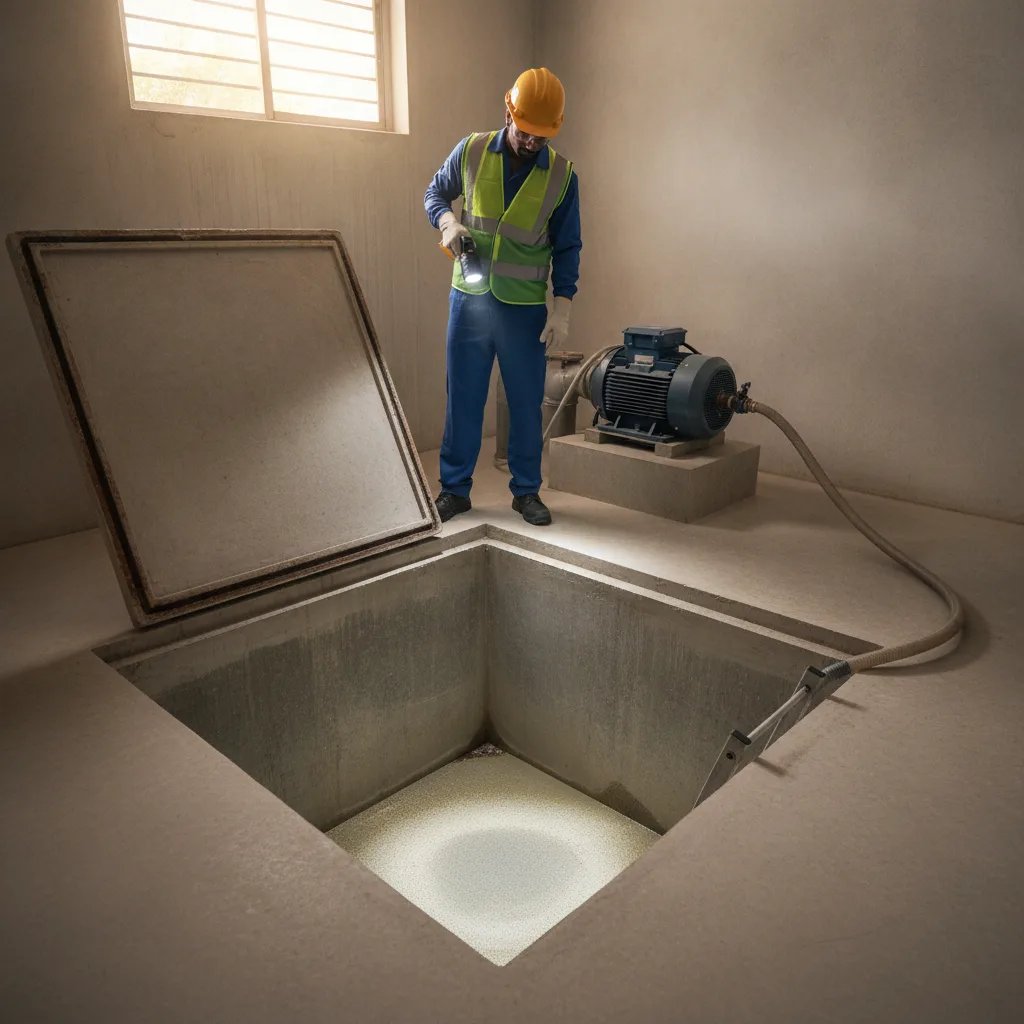
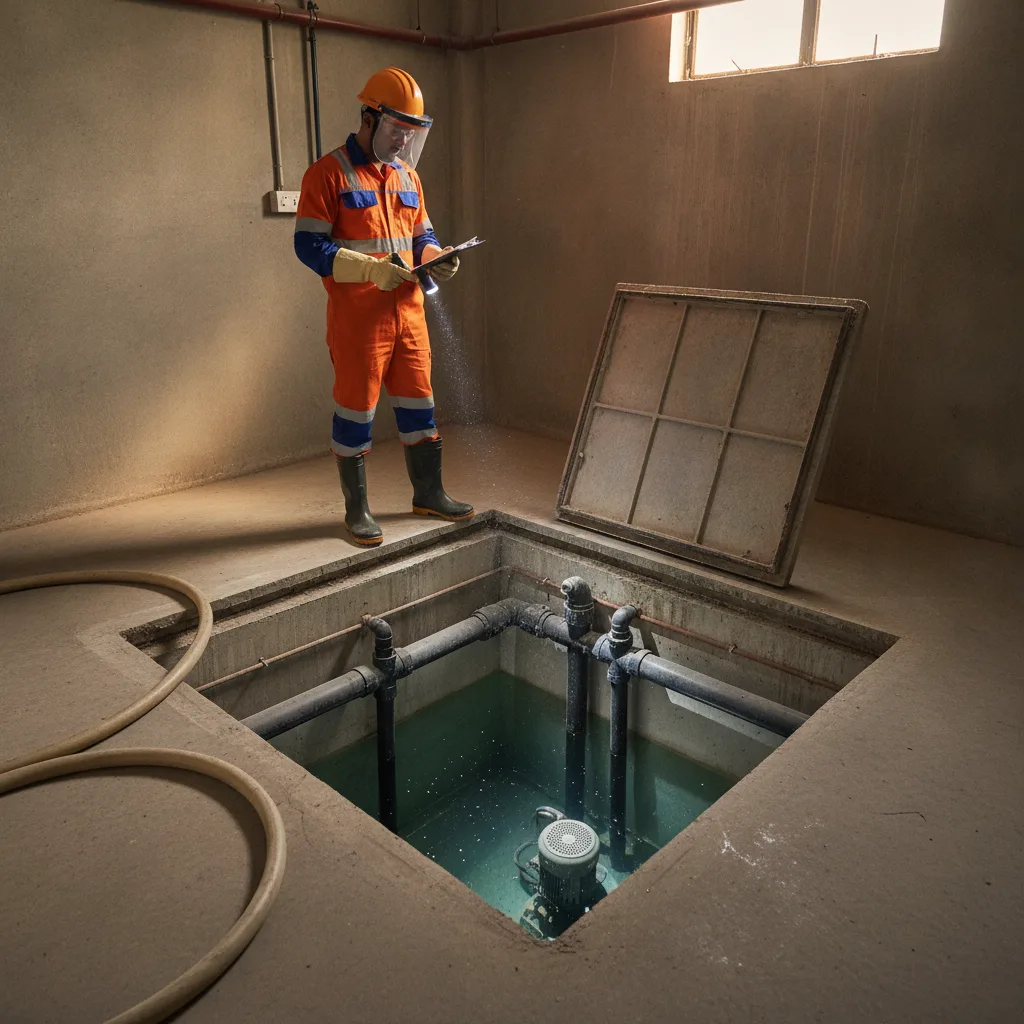
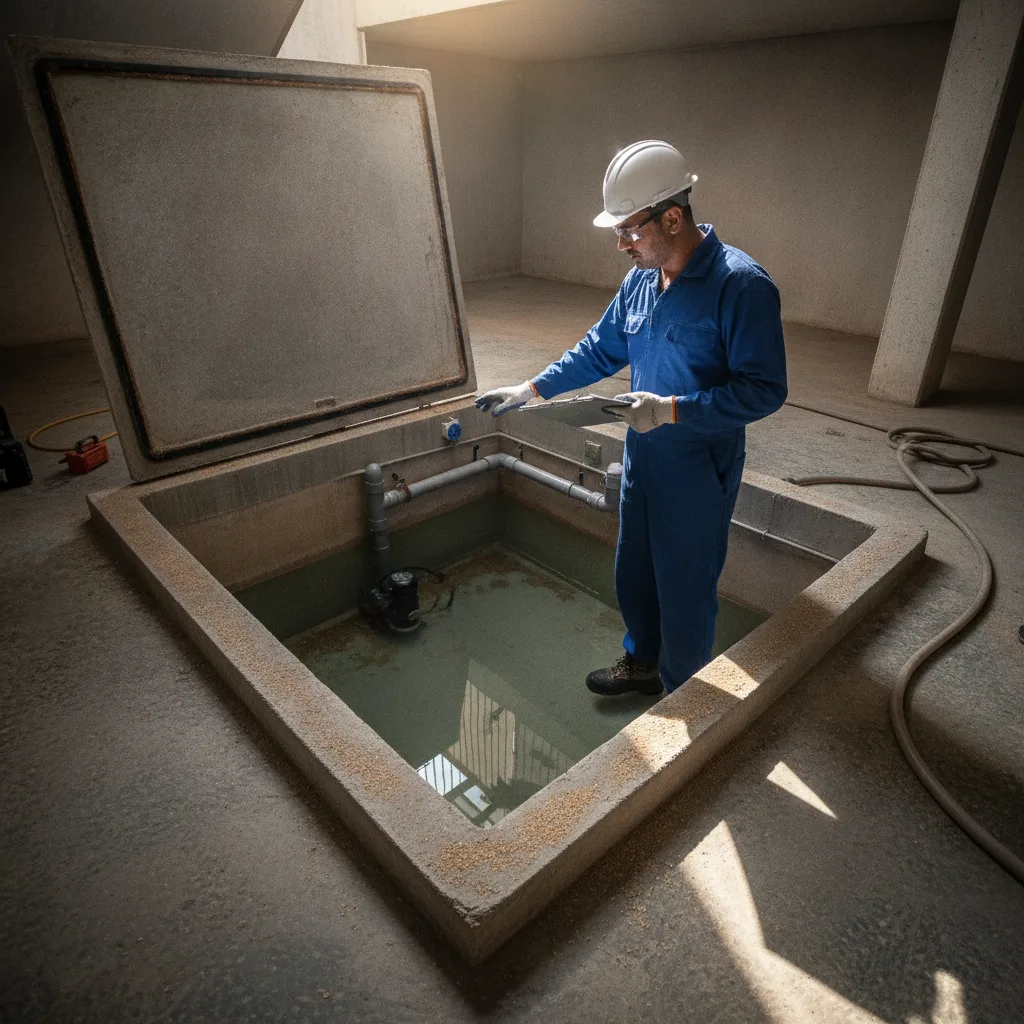
5 Hidden Health Risks in Uncleaned Water Tanks (Bangalore Water Quality Report 2024)

The health risks of an uncleaned water tank are not hypothetical. Water testing regularly finds coliform bacteria, heavy-metal traces, and fungal biofilms in tanks that look perfectly clean. Treated supply picks up contaminants through ageing pipes and last-mile storage, and the real risk is what happens to the water once it sits in your tank. Here are five hidden risks a neglected tank creates, and why regular cleaning removes all of them.
Risk 1: Bacterial Contamination
Coliform bacteria, including E. coli, thrive in the sludge that accumulates at the bottom of an uncleaned tank, a mix of sediment, organic matter, and decaying biofilm that acts as an incubator. Drinking contaminated water causes gastroenteritis, diarrhoea, and cramps, and in children, the elderly, and the immunocompromised it can escalate to dangerous dehydration. The catch is that such tanks often show no visible sign of contamination.
Risk 2: Typhoid and Other Waterborne Diseases
Salmonella Typhi, the cause of typhoid, survives in stagnant water and biofilm for long periods, and the vector is rarely the treatment plant, it is the unclean tank in the building. Hepatitis A and leptospirosis travel the same path. Older complexes with absent or inconsistent cleaning schedules carry disproportionately higher exposure, and these are preventable diseases caused by a maintenance gap.
Risk 3: Mosquito Breeding
Aedes mosquitoes, which spread dengue and chikungunya, do not need outdoor puddles. A poorly sealed or rarely cleaned tank offers exactly the warm, still water they breed in, and larvae are often found during professional cleaning of tanks residents assumed were secure. A visual check without draining and scrubbing is not enough to confirm a tank is larvae-free.
Risk 4: Heavy Metal Leaching
This one works over years, not days. Rust from ageing metal tanks leaches iron and manganese into the water, and sediment layers can trap metals introduced through supply pipes. Long-term consumption is linked to kidney and neurological harm and to developmental effects in children. Because these metals have no taste or smell at low levels, households rarely connect recurring health complaints to their tank; only physical cleaning plus periodic testing interrupts the exposure.
Risk 5: Fungal and Algal Biofilm
Biofilm is a structured colony of bacteria, fungi, and algae stuck to the tank walls, and water pressure alone cannot remove it; it needs physical scrubbing with a disinfectant. It releases toxins into the water, causes a persistent musty taste and smell, and shelters pathogens from chlorine. Borewell-supplemented tanks grow biofilm faster due to higher organic and mineral content, so professional cleaning, not a DIY rinse, is the only reliable removal.
How Often to Clean
As a practical rule, overhead tanks are best cleaned every six months, and BWSSB advisories echo it for Bengaluru's dual-source supply. Many buildings drift to a 12-to-18-month cycle, or clean only after a complaint, which is too late. High-rises with large tanks, multiple sources, or older materials should move to quarterly. Borewell-fed homes do well to clean every four to six months rather than the standard six, since the higher TDS, iron, and organic load speed up biofilm and sediment buildup. The cost of a clean is a fraction of a single hospital stay for waterborne illness. A twice-yearly water tank and sump cleaning removes all five risks at once.
Why a Rinse Cannot Remove Biofilm
The thread running through all five risks is biofilm, and it explains why a quick rinse or a top-up of chlorine changes so little. Biofilm is not loose dirt. It is a living film that the bacteria, fungi, and algae build for themselves, a sticky matrix that glues them to the tank wall and seals them off from the water flowing past.
Chlorine in the passing water is consumed by the outer skin of that film and never reaches the colony inside. Water pressure slides over it. The only thing that reliably removes it is physical scrubbing that breaks the matrix apart, followed by a disinfectant held long enough to kill what is exposed. That is the single clearest reason professional cleaning and a DIY splash are not the same job.
How Borewell Water Speeds All of This Up
Homes and complexes on borewell water sit at the higher end of every risk on this list, and the mechanism is straightforward. Borewell water carries more dissolved minerals and iron and more organic content than treated supply. The iron feeds rust and staining, the minerals scale the walls, and the organic load gives biofilm more to grow on.
That is why the cleaning interval is not one-size-fits-all. On treated supply, every six months holds the line. On borewell water, every three to four months keeps sediment and biofilm from getting ahead of you. Matching the schedule to the source is the difference between staying clean and always catching up.
Not sure when your tank was last cleaned? You can book a water tank and sump cleaning with KBS, trusted by 15,000+ Bengaluru homes.
Want this handled by professionals in Bengaluru? Book Water Tank Cleaning, or message us on WhatsApp.