BWSSB Water Cuts in Bangalore 2026: How to Keep Your Water Tank Safe and Clean
BWSSB supply gaps in Bangalore have been stretching from hours to full days, and longer cuts mean water sits stored in your tank far longer than it should. Stagnant water is where bacteria, biofilm, and sediment problems speed up, and boiling a glass does not fix a tank that has turned. Here is what actually happens inside a tank during a long cut, how often to clean if your area sees them, and how to keep the water safer in between.
What Happens Inside a Tank During a Long Cut
A tank is not simply storing water; the water changes while it sits. Within about a day, bacteria start using up the dissolved oxygen. By two days, oxygen-starved bacteria take over and can produce the faint rotten-egg smell many people notice after a long cut. By three days, biofilm is forming on the walls, and any sediment already at the base can release its contents back into the water when the tank refills. A tank lined with old sludge turns faster than a clean one.
The reason a clean tank holds up better comes down to two things: chlorine and surface. Treated BWSSB water arrives with a small amount of residual chlorine that keeps bacteria in check, but that protection fades within a day or two of sitting still, faster in warm weather. And bacteria need a surface to build biofilm on. Smooth, freshly cleaned walls give them little to grip; walls already coated in sludge and old biofilm give them a running start, which is why the same length of cut hits a neglected tank much harder.
How Often to Clean If Your Area Sees Cuts
The general baseline is six months, but if your area regularly loses supply for more than 12 hours, every three to four months is safer, and it is worth a clean straight after any cut longer than 48 hours. Homes that mix in borewell water during cuts carry extra risk, since borewell supply is often high in TDS and minerals, and mixing accelerates scale buildup in the tank.
Warning Signs After a Cut
- Water has a yellow or brown tint once supply resumes
- A sulphurous or musty smell from taps fed by the tank
- Stomach upsets in the household within a day or two of the cut ending
- The tank has not been cleaned in more than six months
- Your home mixes borewell and BWSSB water during cuts
If a few of these line up, book a water tank and sump cleaning rather than waiting for someone to fall ill.
What a Proper Post-Cut Clean Involves
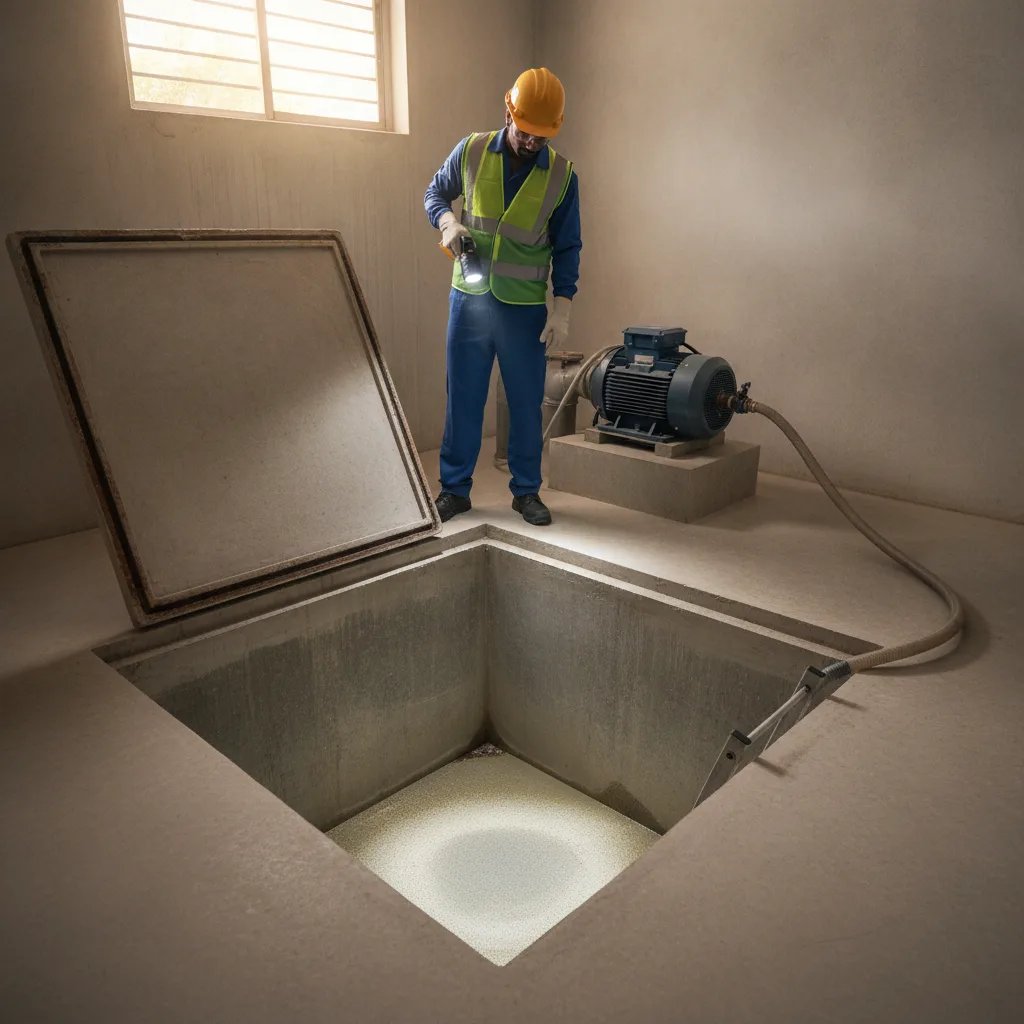
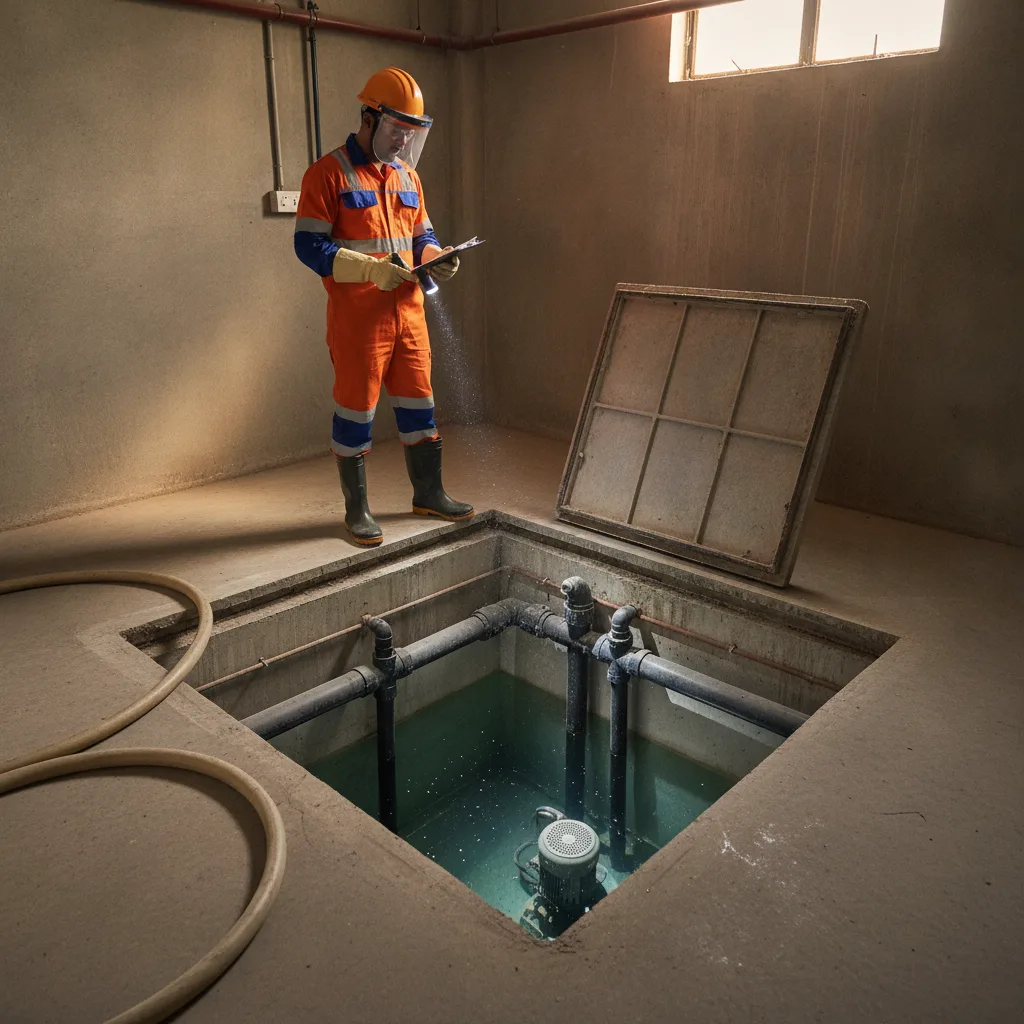
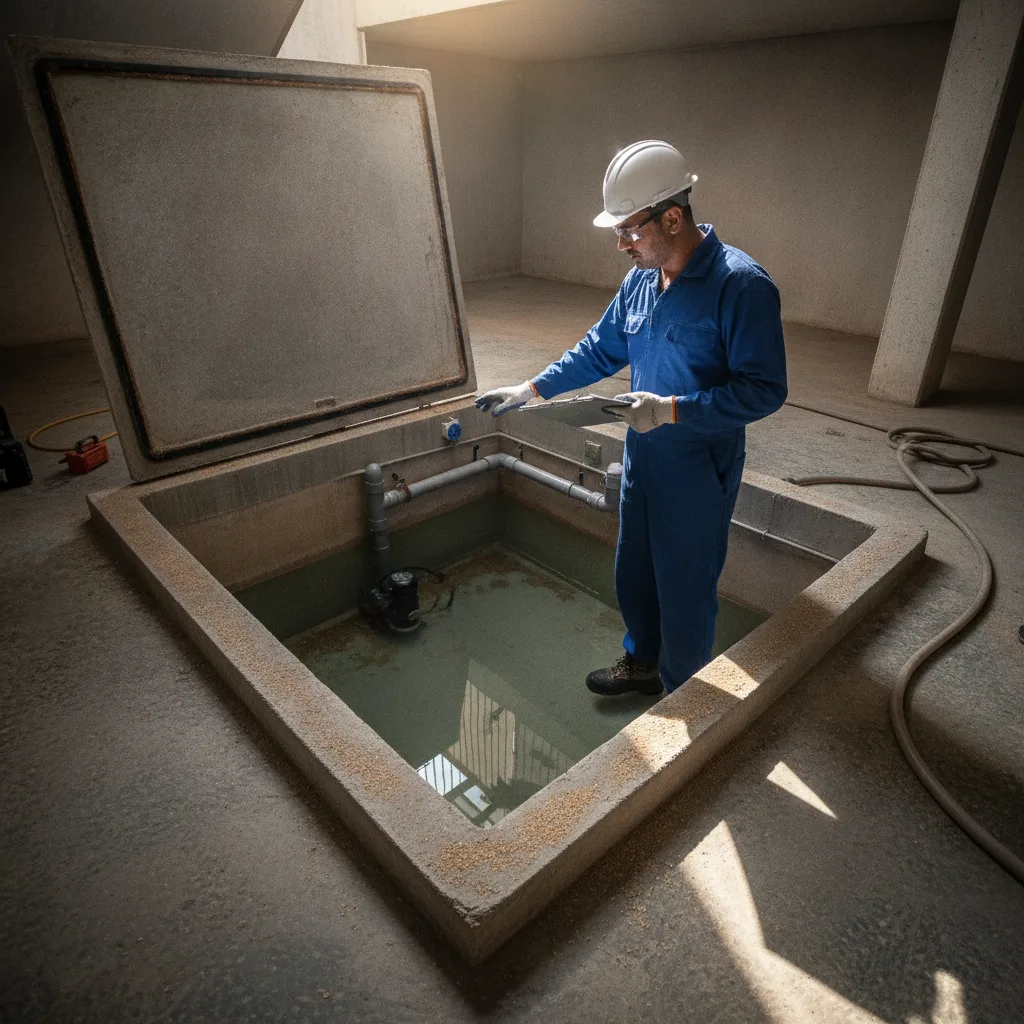
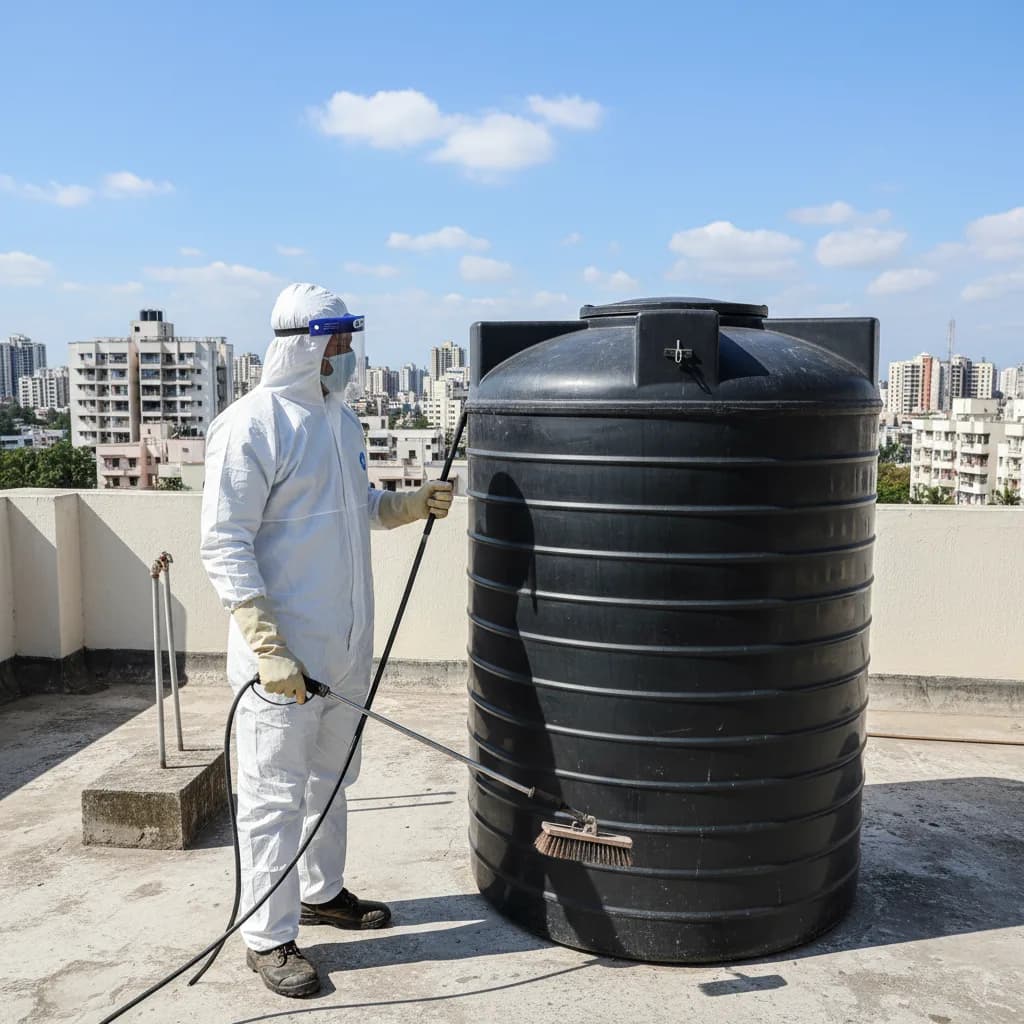
A good clean is not a quick hose-down. The tank is drained fully, the sludge and biofilm are removed by hand, and the walls, corners, and inlet and outlet zones are jetted at high pressure. A food-grade disinfectant at the correct concentration follows, and the first refill is checked before sign-off. Household bleach at a guessed strength is not a substitute, since the wrong dose leaves residue or fails to kill the bacteria.
Why Borewell Top-Ups During a Cut Add Risk
When BWSSB supply stops, many homes switch the inlet to a borewell to keep the tank full. It solves the immediate shortage, but it changes what is sitting in the tank. Borewell water in much of Bengaluru is hard, high in dissolved minerals, and often carries fine iron and sand that treated supply does not. Those minerals settle as scale on the walls and floor, and the sediment gives bacteria and biofilm a surface to cling to.
Mixing the two supplies also dilutes what little residual chlorine the treated water brought, so its protective effect fades sooner. If your home runs on borewell top-ups through a long cut, treat the tank as due for a clean sooner than the calendar suggests, closer to every three to four months than six.
Keeping Water Safer Between Cleans
- Keep lids sealed and check the gaskets every couple of months
- Avoid topping up a BWSSB tank with raw borewell water without at least basic filtration
- Clean an exposed overhead tank a little more often, since sun speeds up algae
- After any cut over a day, run the taps for 60 to 90 seconds before drinking or cooking
As for whether stored water is safe to drink during a cut, water from a recently cleaned tank is usually fine after a brief tap flush for short cuts. After a long cut, or in a tank overdue for cleaning, run it through a purifier or use bottled water until the tank has been cleaned, and clean sooner if there are children or elderly members at home.
How to Store Water Safely Through a Planned Cut
When BWSSB announces a cut in advance, a little preparation keeps you from drinking from a stressed tank. Fill clean, covered containers for drinking and cooking rather than relying only on the main tank, and use the oldest stored water first so nothing sits for days. Keep those containers out of direct sun, since warmth and light speed up both algae and bacteria.
Try not to let a tank sit half full for the length of a long cut. A part-full tank has more wall exposed above the waterline, where biofilm dries, hardens, and becomes stubborn to remove. If a cut is going to run for days, it is better to draw the tank down and refill it fresh than to keep topping up a stagnant half-tank.
Frequent cuts in your area? You can book a water tank and sump cleaning with KBS and set a schedule around your supply, not just the calendar.
Want this handled by professionals in Bengaluru? Book Water Tank Cleaning, or message us on WhatsApp.