BWSSB Water Tank Cleaning Compliance: What Bangalore Apartment Owners Must Know
Every few months a WhatsApp forward goes around Bengaluru apartment groups claiming BWSSB will fine societies for dirty tanks. Half of it is wrong. If you are a flat owner or an RWA member trying to make sense of what tank-cleaning compliance actually involves, here is the plain version, no legal jargon.
Who Is Actually Responsible
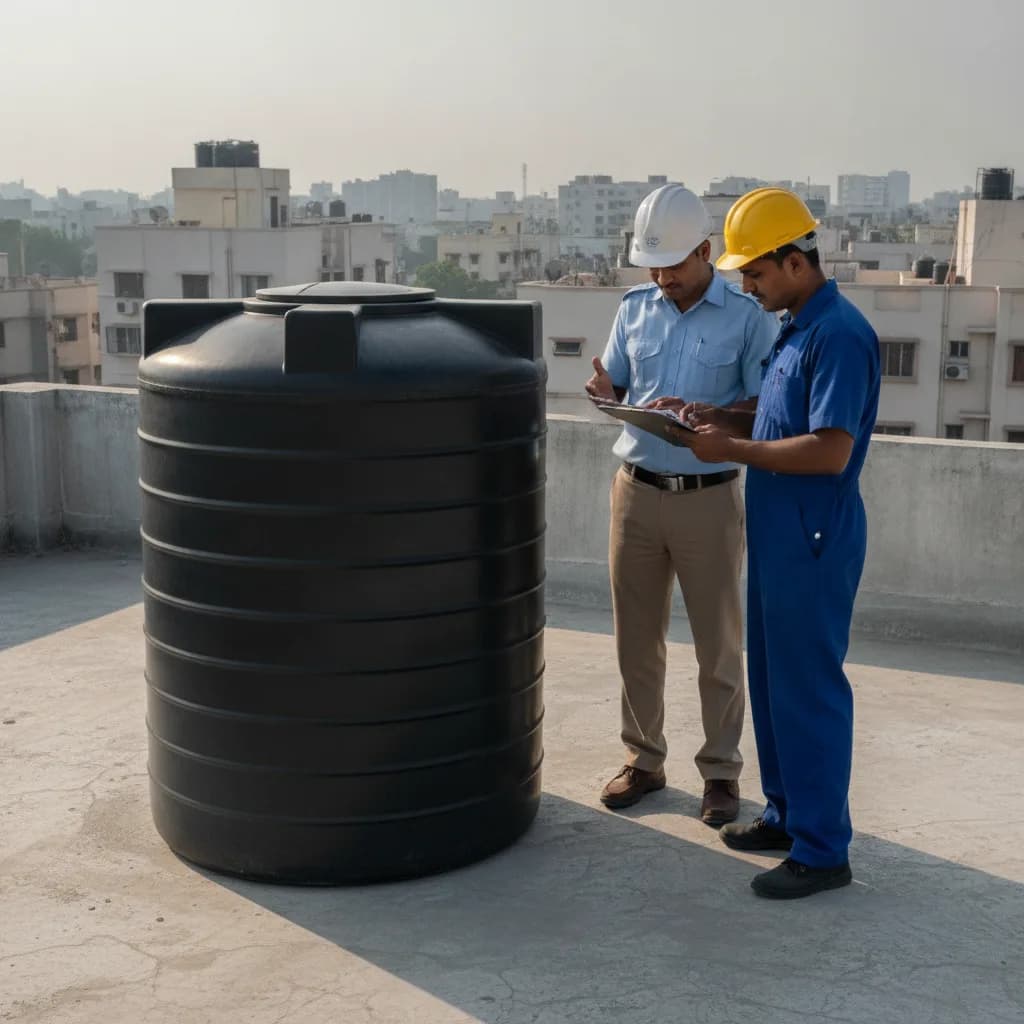
BWSSB supplies the water; it does not run a tank-inspection squad knocking on doors. The compliance burden sits with the apartment association or the property owner, under municipal health and Karnataka Municipal Corporation byelaws that require stored drinking water to be cleaned periodically, a real, recurring line item for large RWAs in areas like JP Nagar. Where BWSSB does get involved is water-quality testing, and if a contamination complaint traces back to a poorly maintained sump or tank, that is when it gets serious for a society.
What the Rules Actually Require
No single circular hands you a fixed calendar. What exists is a mix of BBMP health codes and BWSSB's water-quality mandate, and the practical requirement is simple: sumps and overhead tanks storing municipal or borewell water should be cleaned at least twice a year, and immediately after any contamination event, sewage backflow, or visible discolouration. The gap is that enforcement is reactive, not proactive, you get flagged after a complaint, an illness cluster, or a random health audit, not on a schedule.
Myths vs Facts
- Myth: BWSSB inspects tank cleanliness every year. Fact: Inspections mostly follow complaints or outbreak investigations.
- Myth: Borewell water needs less cleaning than Cauvery water. Fact: Borewell water often carries higher TDS and minerals, so tanks need cleaning as often, sometimes more.
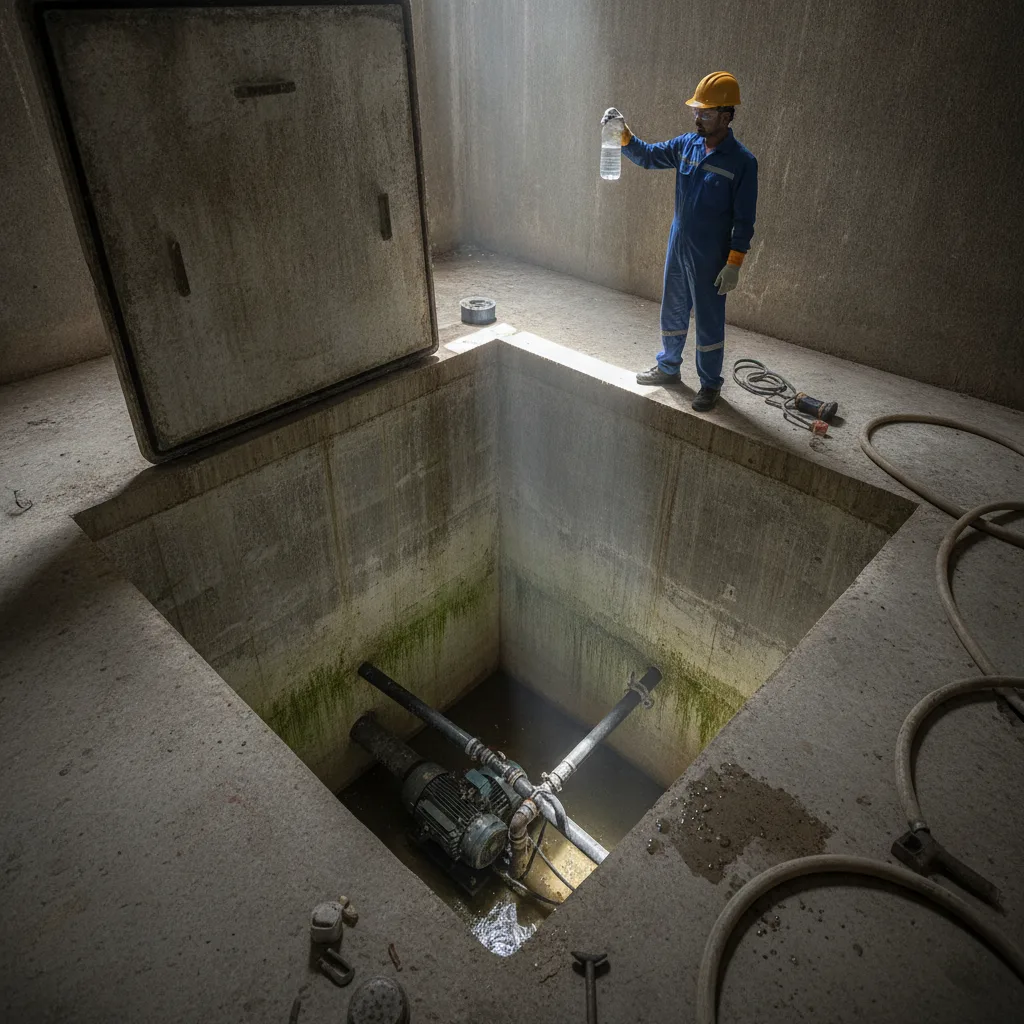
- Myth: A visual check confirms a tank is clean. Fact: Bacterial contamination and biofilm are invisible until someone falls sick.
Why Biofilm Sets the Cleaning Schedule
The reason the guidance lands on twice a year is not arbitrary. It tracks how fast a tank turns dirty on the inside. Within weeks of a clean, a thin, slippery layer called biofilm begins forming on the walls below the waterline. It is a community of bacteria that anchor themselves to the surface and shelter under a sticky matrix they secrete, which is exactly what makes them hard to remove and why chlorine alone does not clear them.
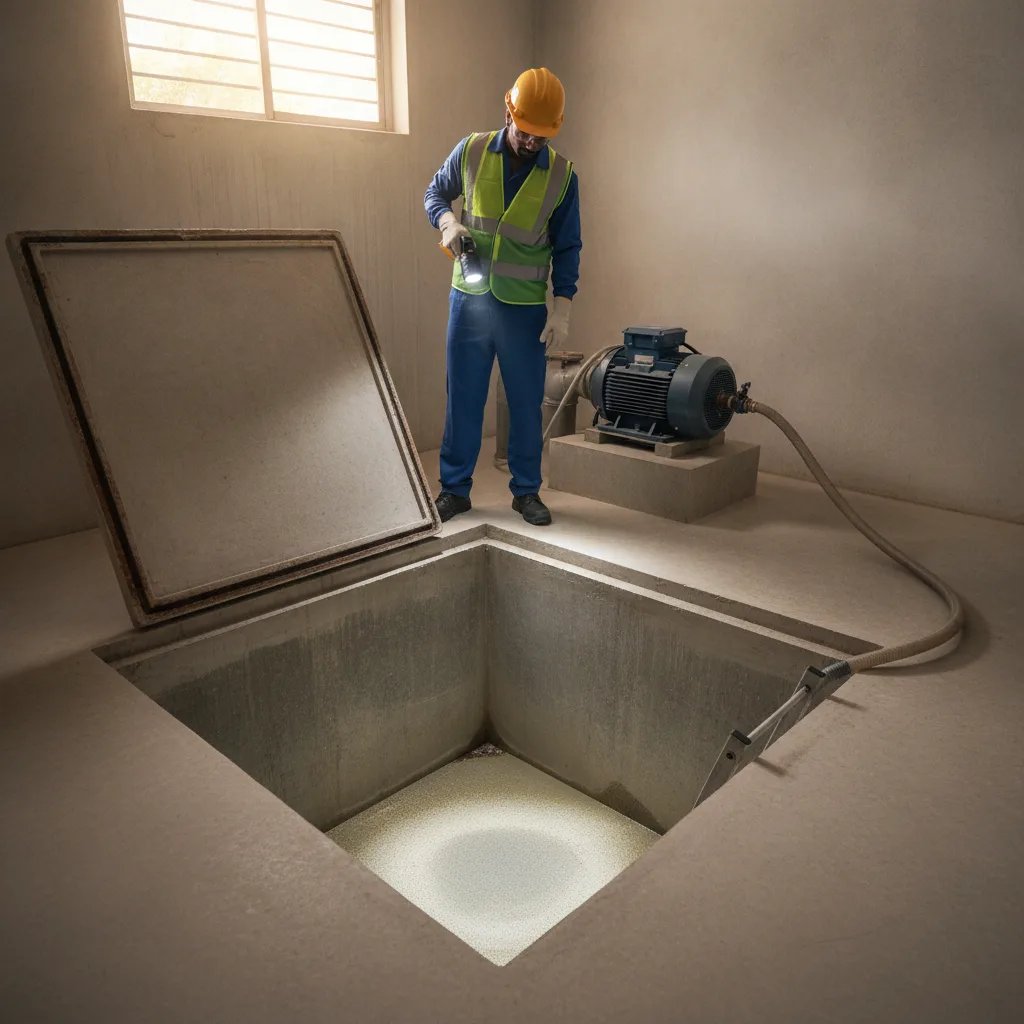
Biofilm grows faster in warm, still water, which describes the inside of a Bengaluru overhead tank for much of the year. Left long enough it thickens, traps sediment, and can seed the water with bacteria every time the level drops and fresh inflow disturbs it. Physical scrubbing is the only reliable way to strip it off, which is why a real clean is hands-on and not just a drain and refill. Cleaning twice a year keeps the film from ever getting established. Stretch the gap and the team is scrubbing a tank that has had months to build a mature layer.
What the water test actually checks
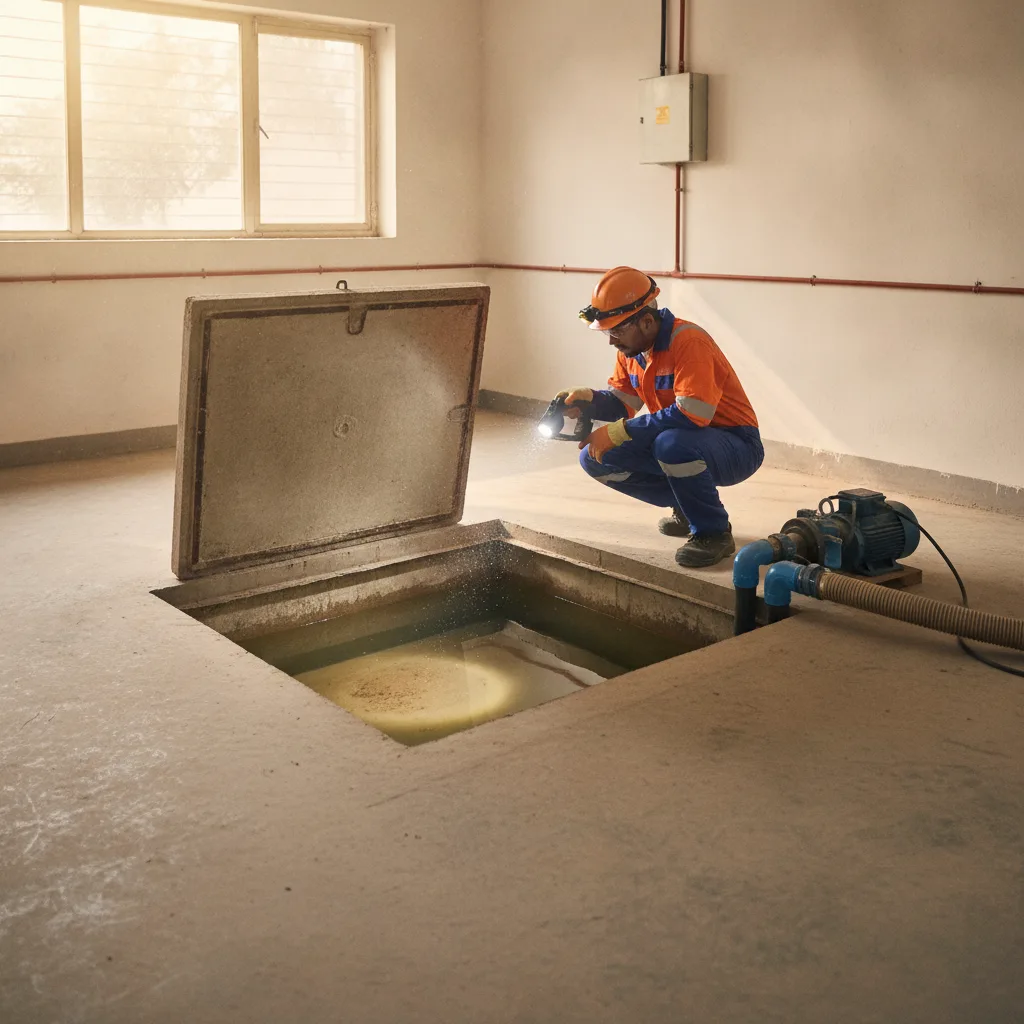
A post-clean water test is worth understanding, not just ticking off. TDS measures total dissolved solids and tells you the mineral load, useful for spotting borewell hardness. pH shows whether the water is acidic or alkaline, which affects both taste and how the water acts on pipes. The coliform test is the important one for safety: it looks for bacteria that indicate contamination, and a clean tank fed by clean supply should return zero. Testing right after cleaning gives a true baseline, whereas testing months later only tells you the state on that one day.
Why Associations Get Caught Off Guard
RWAs juggle a hundred things, and tank cleaning quietly slips down the list until there is a complaint or an unexplained smell. Bigger societies with separate sumps per block often end up with inconsistent schedules because nobody owns the tracker. A few fixes that work:
- Keep a written, photo-dated log signed by the facility manager after every clean
- Test water quality (TDS, pH, coliform) right after cleaning, not months later
- Assign one person as the water-compliance point of contact, not a rotating seat
- Schedule a clean before and after the monsoon, when rain pushes silt and runoff into sumps
What Happens If You Ignore It
Short answer: nothing, until it is not nothing. A resident complaint, an illness traced to the building, or a random BBMP audit can turn a quiet non-issue into fines and a forced supply shutdown until the tanks are cleaned and certified. Societies that leave it to the last minute during peak monsoon demand often pay emergency rates well above normal, so it is worth arranging a professional tank cleaning on a fixed schedule instead.
A Simple Compliance Checklist
- Clean the sump and overhead tank at least every six months, more often if borewell-fed
- Keep dated cleaning records with photos for at least two years
- Test water quality after cleaning, not just a visual check
- Clean immediately after nearby pipeline repair or a sewage-odour complaint
- Give one person in the RWA clear ownership of compliance tracking
Frequently Asked Questions
Does BWSSB fine societies for dirty tanks?
Not on a schedule. But a contamination complaint or health audit that traces back to a neglected tank can lead to fines and a forced supply shutdown until it is cleaned and certified.
How often must an apartment clean its tanks to stay compliant?
At least twice a year, and more often on borewell water, plus immediately after any contamination event or nearby pipeline work.
What records should an RWA keep?
Dated cleaning logs with photos, kept for at least two years, plus a post-clean water-quality test. One accountable person should maintain them.
Sorting out your society's schedule? You can book a water tank and sump cleaning with KBS, which has handled apartment complexes across Bengaluru for years.
Want this handled by professionals in Bengaluru? Book Water Tank Cleaning, or message us on WhatsApp.