Dengue Mosquito Control at Home: Why Professional Water Tank Cleaning is Essential

Dengue season in Bengaluru usually spikes right after the monsoon, when a hundred small pools of stagnant water sit around every neighbourhood waiting for a female Aedes mosquito to find them. Most people picture flowerpots and clogged drains. Fewer think about their own overhead tank or sump, which is often the biggest, most stable body of still water on the property. If the lid doesn't seal properly, that tank becomes a breeding ground quietly, for weeks, before anyone notices.
Aedes aegypti, the mosquito behind dengue and chikungunya, prefers clean, still water over dirty drains. That's the part people get backwards. A sump or tank that looks fine from the outside, water that's clear enough to drink, can still have a film of larvae near the surface. Getting a professional water tank and sump cleaning service done isn't just about taste or hygiene anymore. It's mosquito control that happens to also give you cleaner water.
Why a covered tank isn't automatically a safe tank
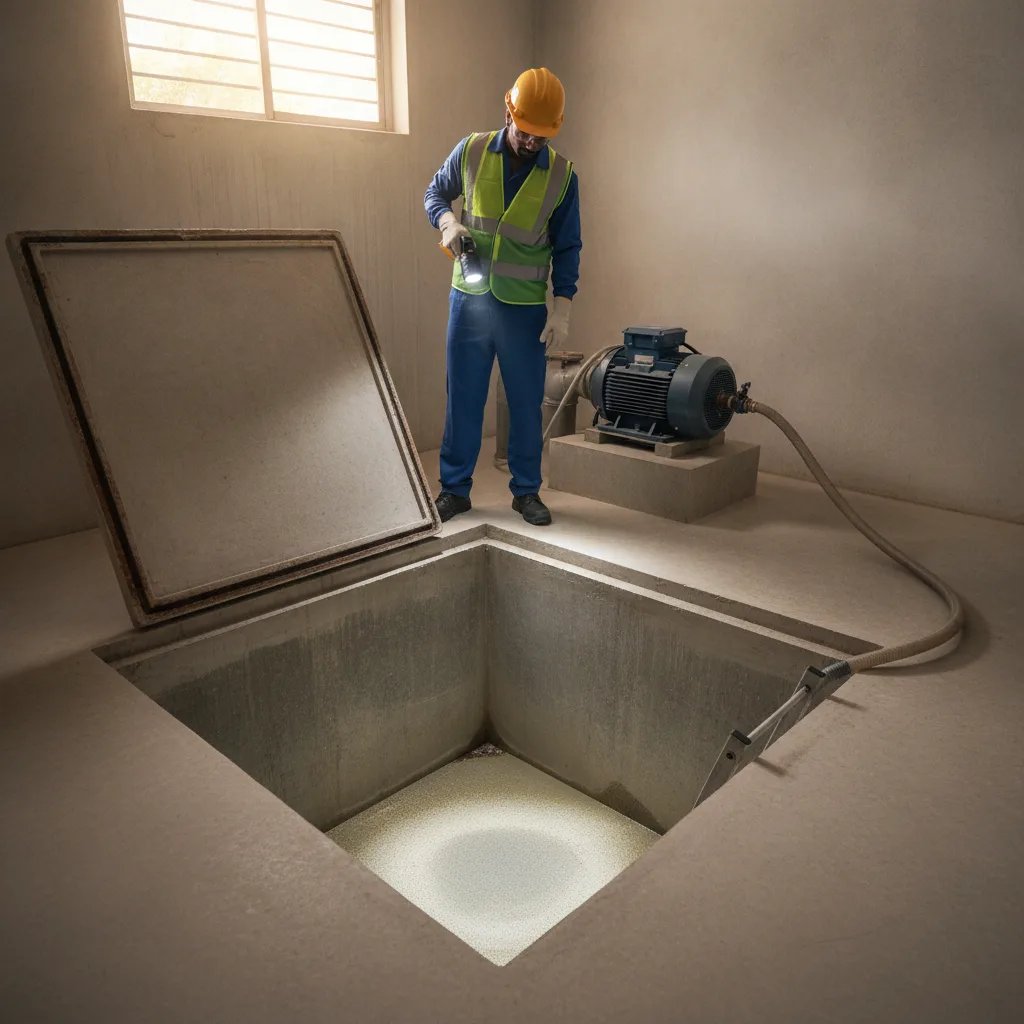
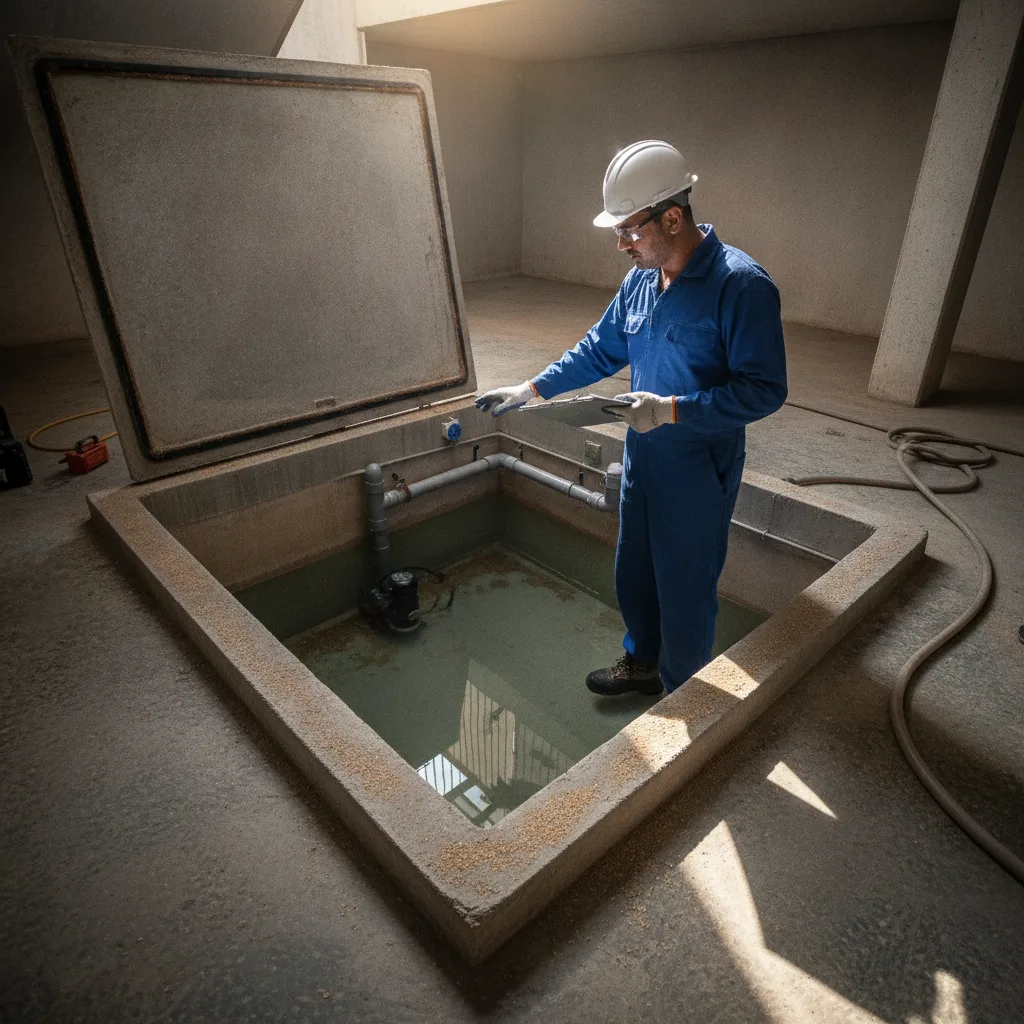
A tank lid keeps out leaves and dust, but it rarely keeps out mosquitoes completely. Most residential lids in Bengaluru are cement slabs or plastic covers with gaps at the edges, sometimes cracked from age or from workers stepping on them during maintenance. A gap of even a centimetre is enough for a mosquito to slip through and lay eggs on the water's surface.
Once eggs are laid, the larvae need still water and about 7 to 10 days to become adult mosquitoes. If your tank sits untouched for months between cleanings, that's more than enough time for several generations to hatch, especially in the warm, humid stretch from June through September.
What actually happens inside an uncleaned tank
Sediment builds up first. Dust, sand from borewell water, and organic debris settle at the bottom over months. This sludge layer holds moisture and nutrients that support algae, which in turn gives mosquito larvae something to feed on near the surface.
Overhead tanks that get direct sunlight through a cracked lid are worse. Sunlight plus stagnant water plus a bit of algae is close to ideal breeding conditions. Underground sumps, by contrast, stay dark and cooler, but they're often larger and harder to inspect, so a breeding problem can go unnoticed longer simply because nobody's looking.
The lid isn't the only entry point
Overflow pipes and vent pipes are the other common gap. Many older constructions have an overflow outlet with no mesh at all, or a mesh that's rusted through. Mosquitoes get in through these just as easily as through a loose lid, and it's something a general cleaning crew often misses because they're focused on scrubbing walls rather than checking every access point.
How professional cleaning breaks the breeding cycle
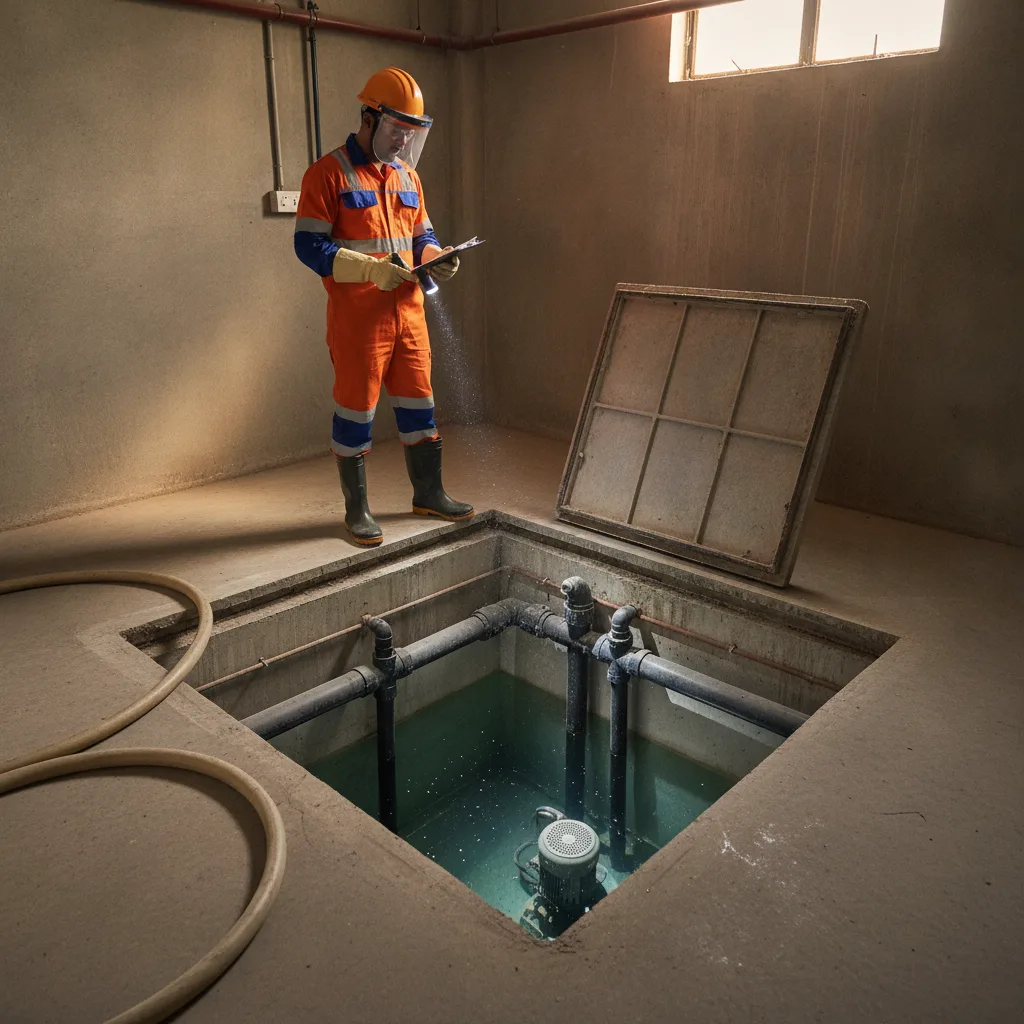
A proper cleaning does three things a homeowner rarely manages alone. It drains the tank fully, scrubs the sediment and biofilm off the walls and floor, and disinfects the surface so algae doesn't regrow within days. That combination removes both the larvae present at the time and the food source that would let new ones establish.
- Complete draining removes all standing water, including any larvae or eggs sitting at the surface or bottom.
- Manual scrubbing with brushes and scrapers removes the algae and biofilm layer that larvae feed on, not just visible dirt.
- Vacuum extraction pulls out fine sediment that a simple rinse leaves behind.
- A safe-for-drinking-water disinfectant is applied to the tank walls, which slows algae regrowth for weeks rather than days.
- Lids, vents, and overflow pipes get inspected and, where needed, resealed or fitted with mesh so mosquitoes can't get back in.
That last step matters more than people expect. Cleaning the water without fixing the entry point just means you'll be breeding mosquitoes again in a month.
How often does this actually need doing
Every 6 months is the standard recommendation for most Bengaluru homes, and BWSSB guidelines point to the same interval. Homes on borewell water with high mineral content sometimes need it more often, since sediment builds up faster. If you're near a construction site with a lot of dust in the air, that's another reason to shorten the gap.
During monsoon and the weeks right after, it's worth checking the tank lid and vents even if a full cleaning isn't due yet. A five-minute visual check can catch a cracked lid before it turns into a breeding site.
- Clean-looking water in a tank doesn't rule out mosquito larvae near the surface.
- Cracked lids and unscreened overflow pipes are the usual entry points, not the water itself.
- Larvae need about 7 to 10 days of still water to mature, well within a normal gap between cleanings.
- Disinfection after scrubbing is what actually slows algae and larvae from returning quickly.
- A 6-month cleaning cycle, tighter for borewell-heavy homes, keeps both water quality and mosquito risk in check.
If it's been a while since anyone checked your tank, don't wait for the next dengue season update to remind you. Book Water Tank Cleaning with KBS and let our team handle the draining, scrubbing, disinfection and lid check in one visit, the way we've done for thousands of homes across Bengaluru over the last 8 years.
Want this handled by professionals in Bengaluru? Book Water Tank Cleaning, or message us on WhatsApp.