Back to blogDengue Prevention in 2026: Why Water Tank Cleaning is Your First Line of Defense in Bangalore
Water Tank Cleaning

Dengue Prevention in 2026: Why Water Tank Cleaning is Your First Line of Defense in Bangalore

By the KBS team · 26 May 2026 · 6 min

Dengue Water Tank Cleaning Bangalore: Why 2026 Demands a Smarter Approach

Bangalore recorded over 4,800 dengue cases in 2025, and health authorities are already flagging 2026 as a high-risk year due to erratic pre-monsoon rainfall patterns. What most residents in Whitefield, Koramangala, HSR Layout, and Marathahalli don't realize is that the Aedes aegypti mosquito, the primary dengue vector, doesn't just breed in open drains or flower pots. It thrives inside improperly cleaned overhead and underground water tanks, where stagnant water, sludge, and biofilm create the perfect low-light, undisturbed habitat. The connection between dengue water tank cleaning Bangalore homeowners need to make is simple: a contaminated tank is not just a health hazard for your gut, it is an active mosquito nursery sitting directly above your home.

This is not a theoretical risk. BWSSB water supply schedules across areas like Indiranagar, Jayanagar, BTM Layout, and Electronic City mean that households fill overhead tanks in irregular cycles, sometimes allowing water to sit undisturbed for days. Combined with borewell water, which is hard, mineral-rich, and tends to leave sediment deposits faster, the interior walls of most Bangalore tanks develop a thick layer of sludge within six to eight months. That sludge is where larvae anchor and develop. Homeowners who want to take dengue prevention seriously should immediately schedule a professional water tank and sump cleaning in Bengaluru to eliminate this breeding infrastructure before the southwest monsoon hits in June.

How Aedes Mosquitoes Turn Your Water Tank Into a Breeding Ground

Aedes aegypti has one defining behavioral trait that makes it uniquely dangerous in urban environments: it prefers clean, still water in dark, enclosed spaces. Unlike the common culex mosquito that colonizes gutters and open drains, Aedes actively seeks out covered containers, including household water storage tanks. Once a female mosquito gains access through an unsealed lid, a cracked inlet pipe, or even a damaged overflow vent, she can lay up to 100 eggs at a time directly onto the inner walls just above the waterline. These eggs can survive dry conditions for months and hatch the moment water levels rise again.

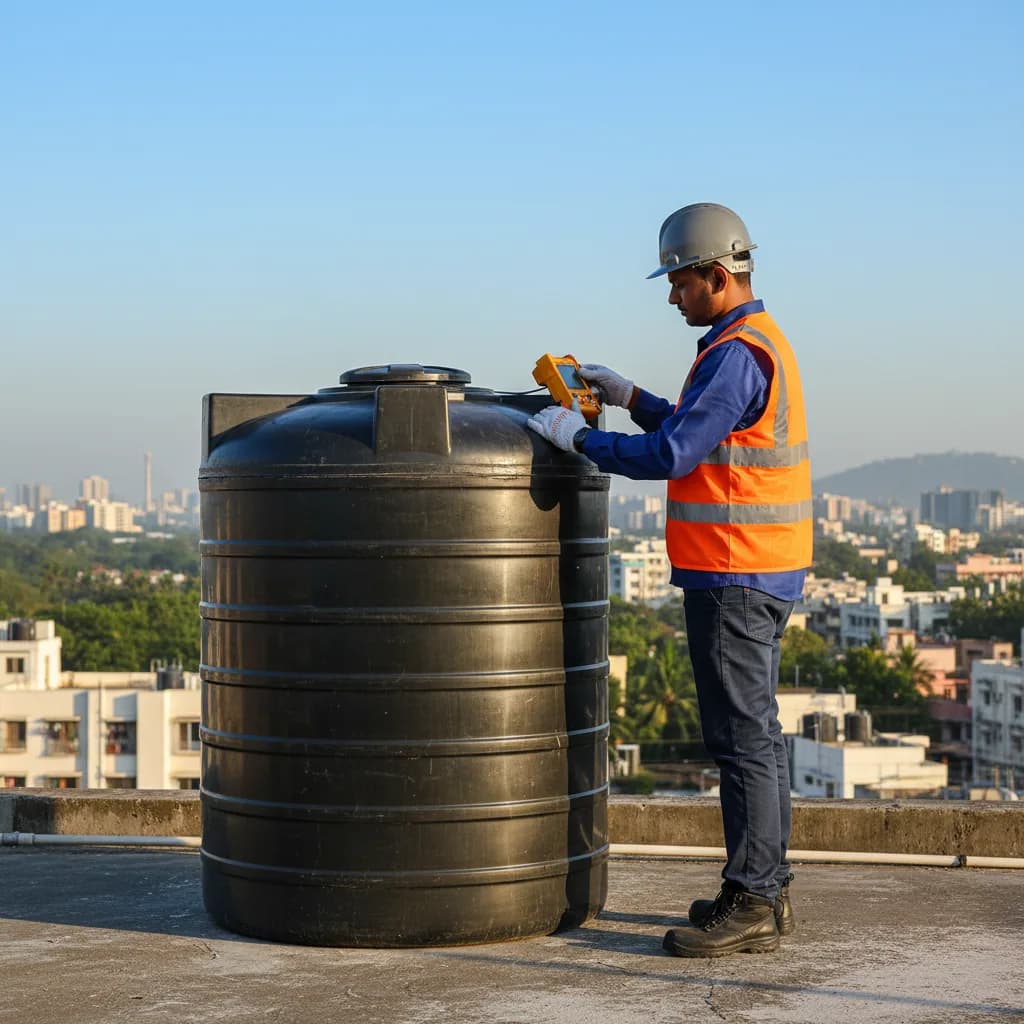
The problem is compounded in areas like Sarjapur, Hebbal, and HSR Layout where multi-storey apartment complexes rely on large-capacity sump and overhead tank systems. A 5,000-litre sump that hasn't been cleaned in over a year will typically have several centimetres of sediment at the base, algae on the walls, and zero disinfection. That environment doesn't just produce contaminated drinking water, it is, functionally, a mosquito hatchery. Dengue water tank cleaning in Bangalore must therefore be understood as a public health intervention, not just a housekeeping task.

What a Professional Tank Cleaning Actually Eliminates

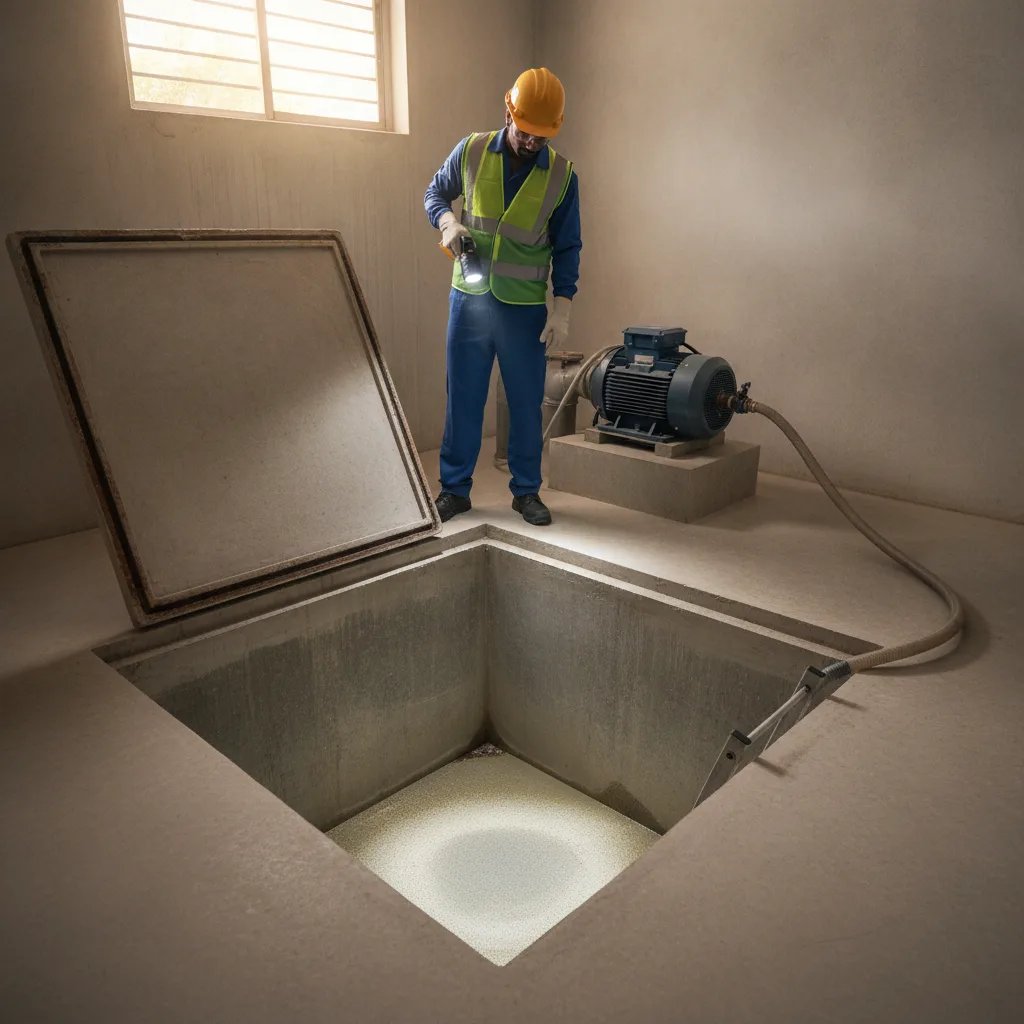
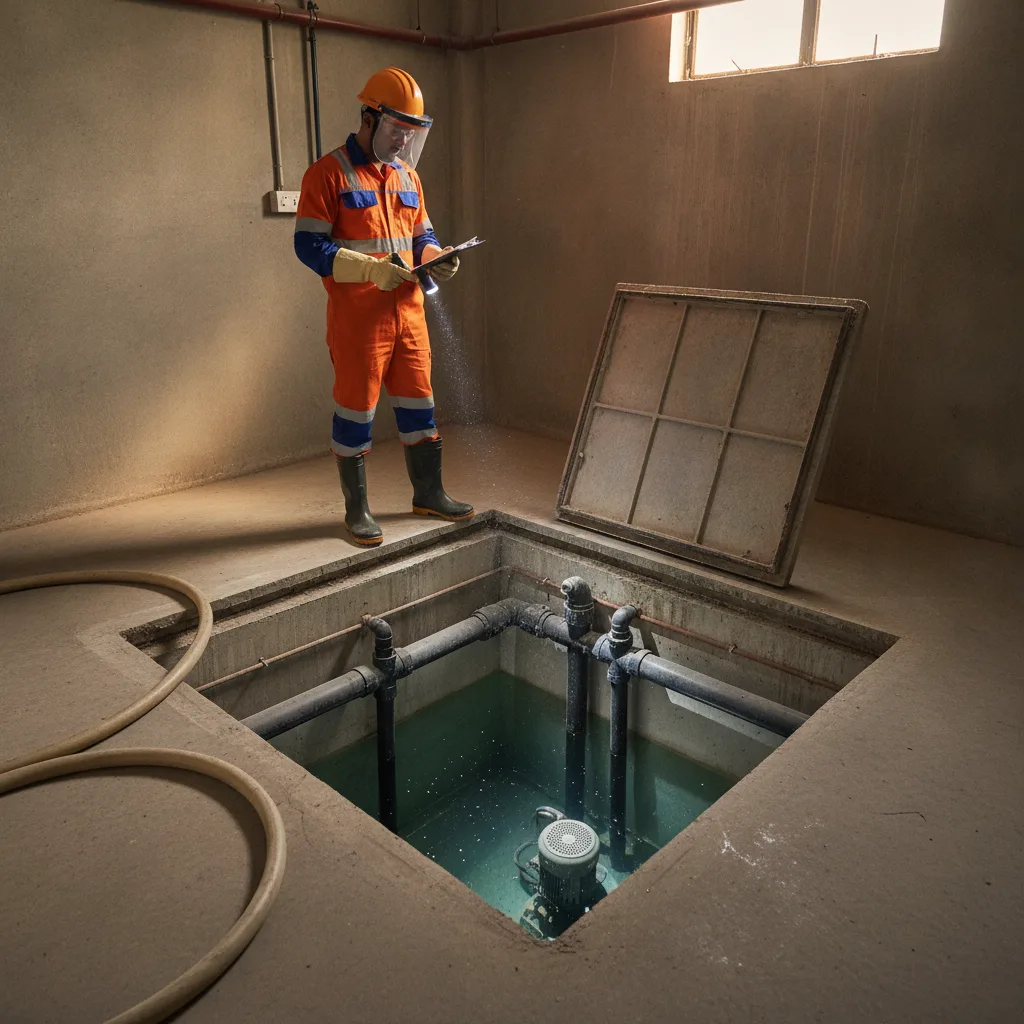
A thorough professional cleaning by a trained team removes far more than visible dirt. Here is what a credible provider eliminates during a full-service session:

  • Sediment and sludge, the primary anchoring substrate for mosquito larvae and bacterial colonies
  • Biofilm, the slippery, invisible bacterial layer that standard scrubbing cannot remove without specialized tools
  • Algae growth, which depletes dissolved oxygen and creates additional organic matter for larval nutrition
  • Existing larvae and pupae, physically removed through high-pressure washing and tank drainage
  • Cracks and seal failures, identified during inspection, allowing entry points for mosquitoes to be flagged for repair

After the physical cleaning, a professional service should apply a food-grade disinfectant approved for potable water systems. This residual layer inhibits regrowth of bacteria and algae for several weeks post-service. If you are uncertain about what a reliable provider should include in their scope of work, the complete guide to choosing the right water tank cleaning service in Bangalore outlines the exact checklist you should use before booking.

The Monsoon Timeline: When You Must Act

Dengue transmission in Bangalore historically peaks between July and October, tracking closely with the southwest monsoon. However, the city has seen an increasingly dangerous pre-monsoon spike in May and June, driven by the first rains filling stagnant containers before civic vector control teams mobilize. This means your tank cleaning window is now, before June, not after the first cases are reported in your ward.

The BBMP's Vector Control Division has repeatedly cited domestic water storage containers as a top-five breeding site in urban Bangalore during outbreak investigations. Areas with high borewell dependency, including large residential layouts in Whitefield, Electronic City Phase 1 and 2, and Marathahalli, are particularly exposed because borewell water is not chlorinated at source, meaning tanks accumulate biological load faster than those receiving treated BWSSB supply.

For a detailed understanding of how service frequency and cost break down across tank sizes and property types in Bangalore, the 2026 water tank cleaning price guide for Bangalore provides transparent, up-to-date benchmarks so you are not overcharged or underserviced.

Complementary Dengue Prevention Measures That Work Alongside Tank Cleaning

Tank cleaning is your most impactful single intervention, but a complete dengue defense strategy for a Bangalore home should include the following:

  • Seal all tank lids and overflow vents, mosquito-proof mesh on overflow pipes is inexpensive and highly effective
  • Eliminate satellite breeding sites, cooler trays, flower pot bases, construction water storage, and terrace drainage points all need regular inspection
  • Maintain a six-month tank cleaning schedule, not annually; six months is the maximum safe interval given Bangalore's water quality and climate
  • Request a post-monsoon inspection, October cleaning removes any larval activity that established during peak transmission months

Residents who have completed their tank cleaning as a dengue prevention step should also consider pairing it with a professional mosquito control treatment for their property perimeter. KBS Home Services provides integrated solutions covering both water storage hygiene and mosquito management for complete protection.

Why KBS Home Services Is Bangalore's Trusted Choice

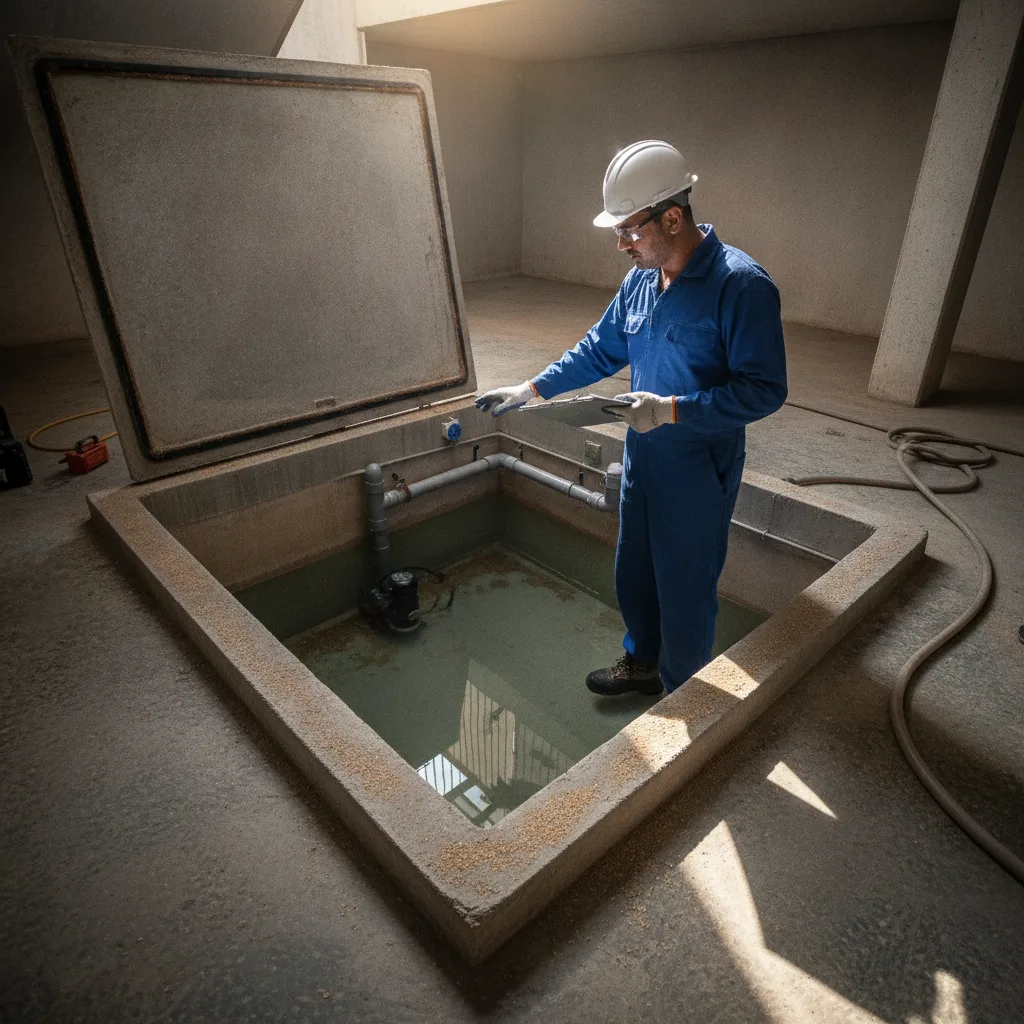
With 8+ years of operational experience and over 15,000 satisfied customers across Bangalore, KBS Home Services brings a systematic, health-standards-driven approach to every tank cleaning assignment. Teams are trained to inspect not just clean, identifying seal defects, inlet vulnerabilities, and structural issues that most generic cleaning services miss entirely. Every service includes a post-clean disinfection step and a written condition report for your records. Whether you are in a standalone home in Jayanagar or managing a high-rise complex in Hebbal, the process is consistent, documented, and effective.

Frequently Asked Questions

How often should I clean my water tank to prevent dengue mosquito breeding in Bangalore?

Every six months is the recommended interval for Bangalore homes, regardless of whether you receive BWSSB supply or depend on borewell water. Tanks that go beyond six months accumulate sufficient sediment and biofilm to support larval development. Pre-monsoon cleaning in May or early June, followed by a post-monsoon cleaning in October or November, aligns your maintenance schedule with Bangalore's peak dengue transmission windows.

Can dengue mosquitoes actually breed inside a sealed overhead tank?

Yes, if the seal is compromised. Aedes mosquitoes only need a small gap, a cracked lid joint, or an unscreened overflow vent to gain access. During a professional cleaning, a trained technician will inspect all entry points and flag any gaps that need repair. This inspection step is often skipped by low-cost providers, which is why professional services from a credible provider are worth the investment from a dengue prevention standpoint.

Does cleaning the tank also remove chemical contamination from borewell water?

Physically cleaning and disinfecting the tank removes biological contamination, bacteria, biofilm, algae, and larvae, as well as mineral sediment that accumulates from hard borewell water. It does not alter the chemical composition of the incoming water itself. If you have concerns about dissolved contaminants like fluoride, nitrates, or heavy metals in your borewell supply, a water quality test should be conducted separately alongside your tank cleaning service.

Need professional help in Bengaluru? Book Water Tank Cleaning with KBS Home Services, trusted by 15,000+ Bengaluru homes.

Need professional help in Bengaluru?

KBS Home Services · serving Bengaluru homes since 2019

All Categories