How to Choose a Certified Water Tank Cleaning Service in Bangalore (ISI vs Non-Certified)
Plenty of Bengaluru households drink water that looks clean but is not, and the cause is often an uncertified technician with a pressure hose and no accountability. Choosing a proper water tank cleaning service is a health decision, especially given ageing supply infrastructure and widespread borewell use. Here is how to tell a certified, accountable provider from a risky one.
What ISI Certification Actually Means
ISI, now the Bureau of Indian Standards, is the main benchmark for product and process safety in India. For tank cleaning, it signals that the disinfectants used meet BIS standards for potable-water biocides. A provider claiming ISI-compliant operations should be able to show documentation, batch numbers, dilution ratios, and contact times that match those standards. What it does not automatically guarantee is the technician's training, the physical cleaning method, or post-service testing, so treat certification as the floor of your evaluation, not the ceiling.
How to verify the claim
- Ask for the chemical label. ISI-certified disinfectants carry a BIS hallmark number; photograph it.
- Request dilution details. A certified process specifies concentrations (typically 50 to 200 ppm free chlorine); vague answers are a red flag.
- Ask for a post-clean report. Credible providers issue a written or digital report confirming sludge removal, dwell time, and rinse.
- Check business registration. A GST-registered entity with a real address is far more accountable than a WhatsApp-only operator.
- Read reviews for specifics. Mentions of reports, technician names, and repeat bookings signal genuine quality over inflated stars.
Five Things That Actually Matter
1. Equipment
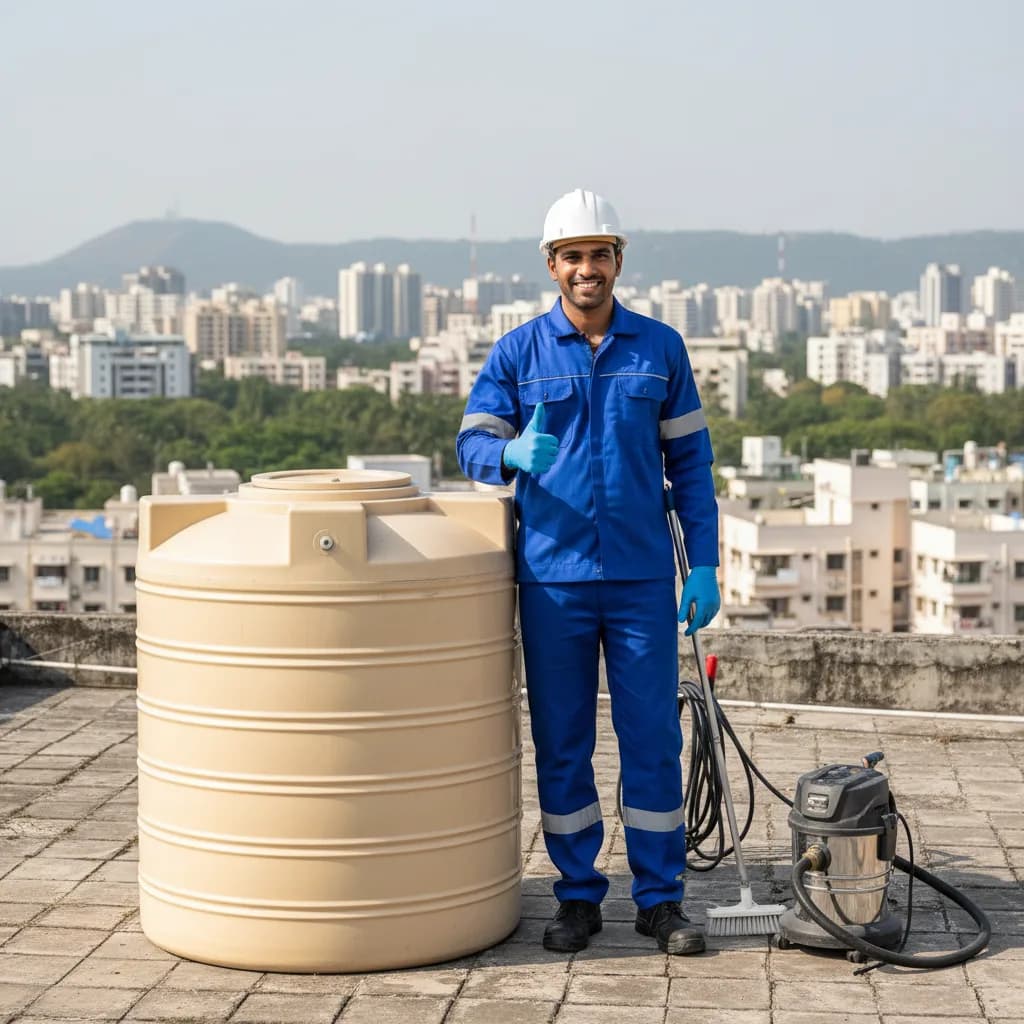
Good services use high-pressure jets with food-grade attachments, wet-dry vacuum extraction, and separate tools per tank to avoid cross-contamination. Manual scrubbing with repurposed tools displaces biofilm rather than removing it.
2. Chemical protocol
Certified protocols apply disinfectant at a measured concentration, hold a minimum contact time of around 30 minutes, and do a full fresh-water flush before declaring the tank safe. Skipping the contact time leaves live bacteria behind.
3. Tank-type expertise
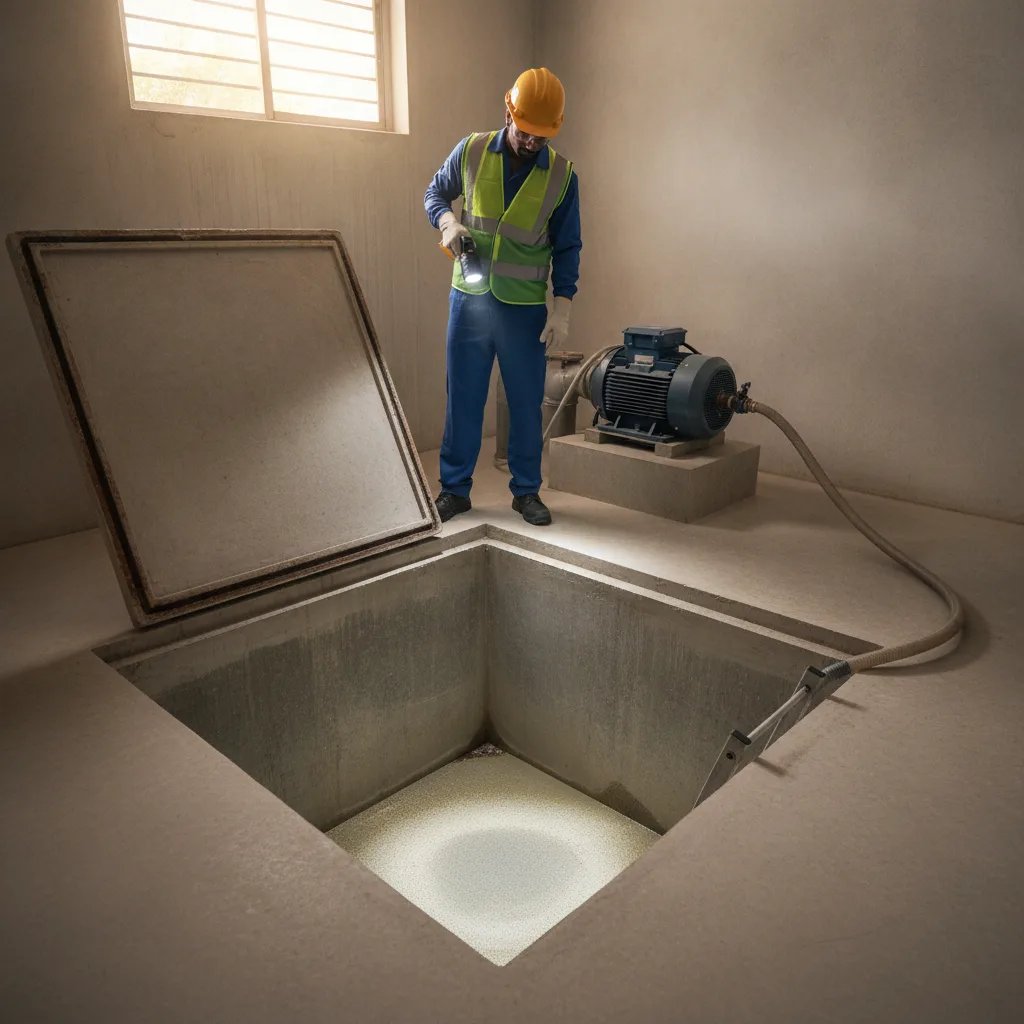
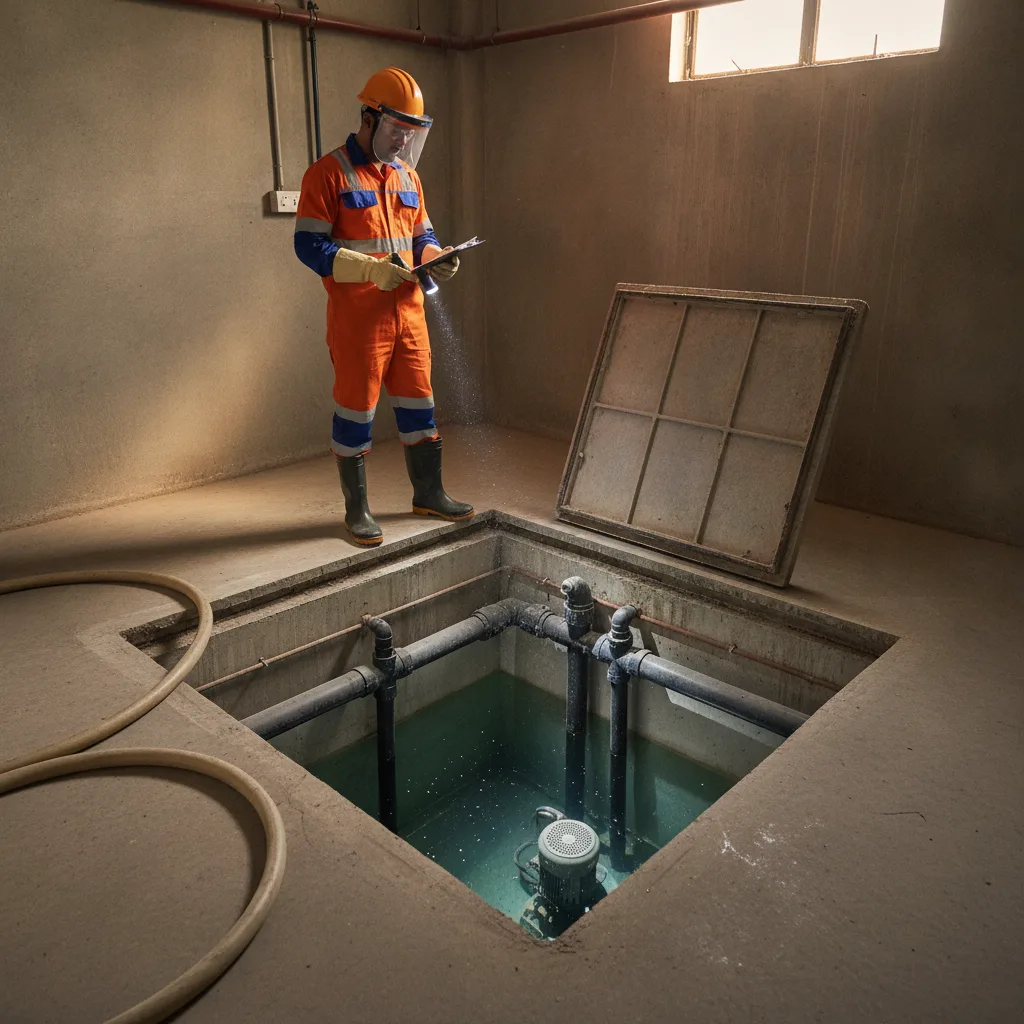
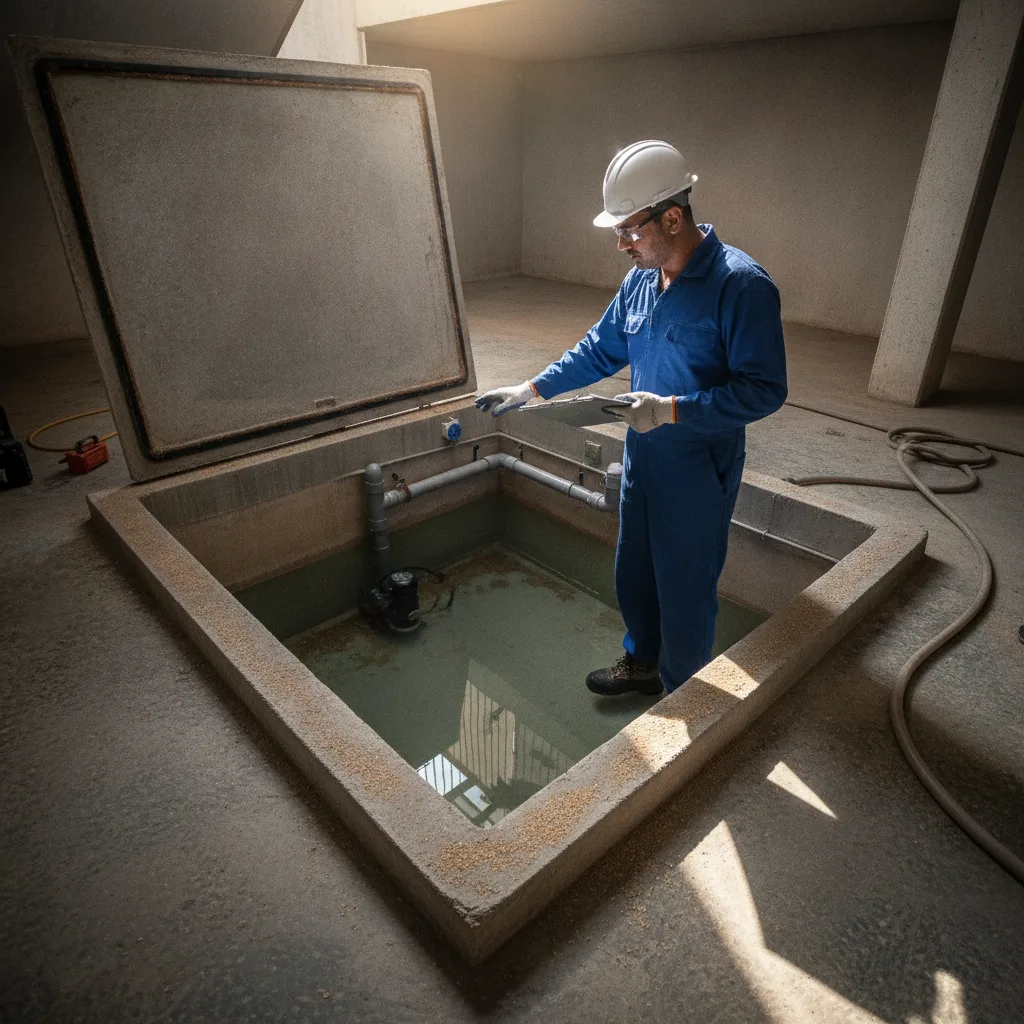
Rooftop plastic tanks and large underground sumps need different methods, access, and concentrations. A qualified provider has clear, separate procedures for each; one identical process for both is a warning sign.
4. Waste disposal
Extracted sludge and wastewater must be disposed of responsibly, not drained into stormwater channels. Ask where the waste goes before the technician arrives.
5. Guarantee
A provider confident in their work offers a re-clean or re-inspection if problems recur within a set period. No guarantee signals low confidence.
Red Flags of an Uncertified Operator
- No written quote, only a verbal price subject to change on arrival
- Refuses to name or show the disinfectant used
- A price suspiciously below market, under ₹500 for a standard 1,000-litre tank
- No post-clean report, photos, or process confirmation
- Cash-only with no GST invoice, removing any paper trail
- Unwilling to answer specific questions on dwell time or rinsing
Match the Clean to Your Water Source
A certified provider should adjust the protocol to your water. Treated supply accumulates sediment and biofilm during storage, especially through disruptions; borewell water carries higher TDS and iron that scale the walls and speed bacterial growth. If the vendor does not ask about your source before quoting, that is a sign of an immature process. A proper water tank cleaning starts with that question.
Why Contact Time Decides Everything
Of all the details that separate a real clean from a rushed one, contact time is the quietest and the most important. Disinfectant does not kill bacteria on touch. It needs to stay in contact with the surface at the right concentration for a set period, commonly around thirty minutes, so the chemistry can actually work through the biofilm.
An operator in a hurry sprays, rinses, and moves on. The tank looks clean and smells of chlorine, but the bacteria sheltered inside the biofilm were never exposed long enough to die. This is why the questions about dwell time and dilution are not pedantic. They are the difference between a disinfected tank and one that only appears disinfected.
What Happens to the Water After the Team Leaves
A clean is only as good as it holds. Even a well-cleaned tank starts collecting a fresh biofilm the moment water sits in it again, slowly at first, faster on borewell supply with its higher mineral and organic load. This is the real reason certification alone is not enough and a schedule is.
A provider who understands this will suggest a return interval that fits your source rather than a generic yearly reminder, and will make it easy to check the last clean date. Treat a vendor who cleans once and never mentions the next one as an incomplete service, however good the single visit looked.
Frequently Asked Questions
Is ISI certification mandatory for tank cleaning?
Not legally for the business itself, but the chemicals used in potable systems should meet BIS standards. Treat ISI-compliant chemical use as a minimum and verify it with documentation, not a verbal claim.
How often should tanks be cleaned?
Every six months as a rule, and quarterly on borewell-dependent supply with higher TDS and iron. A tank idle through a supply disruption should be cleaned before returning to use.
Is overhead tank cleaning different from sump cleaning?
Yes. Overhead tanks collect dust and algae through vents and lids; sumps face heavier sediment and biofilm in stagnant bottom water. The equipment and concentrations should differ, and a vendor using an identical process for both is not following a proper protocol.
Choosing a service? You can book a water tank and sump cleaning with KBS, which works to documented hygiene protocols with food-grade disinfectants.
Want this handled by professionals in Bengaluru? Book Water Tank Cleaning, or message us on WhatsApp.