Monsoon Home Maintenance Checklist for Bengaluru Homes: Water Tanks, Drains & Pest Control
Every June, the same pattern repeats across Bengaluru. Drains back up outside apartment gates, sumps that looked fine in April suddenly smell off, and mosquito complaints spike within weeks of the first heavy spell. None of this is bad luck. It's what happens when three systems, water storage, drainage and pest control, all get stressed by the same monsoon at once.
Most homeowners tackle these one at a time, usually after something's already gone wrong. A proper monsoon home maintenance checklist for Bengaluru properties treats them together, because they're actually connected: a clogged drain feeds standing water, standing water breeds mosquitoes, and a poorly sealed tank lets contaminated runoff in during heavy rain. Fix the sequence, not just the symptom.
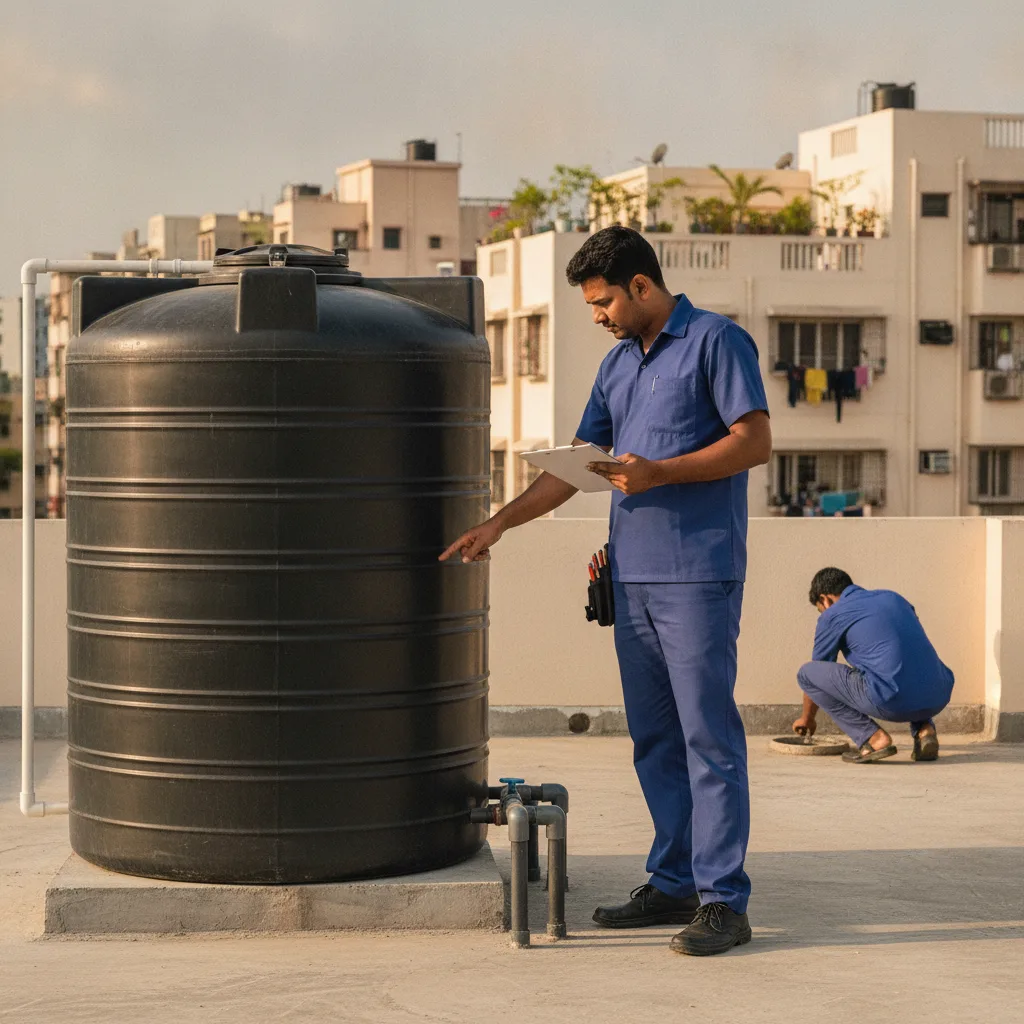
Start with the water tank, because it's the highest stakes item
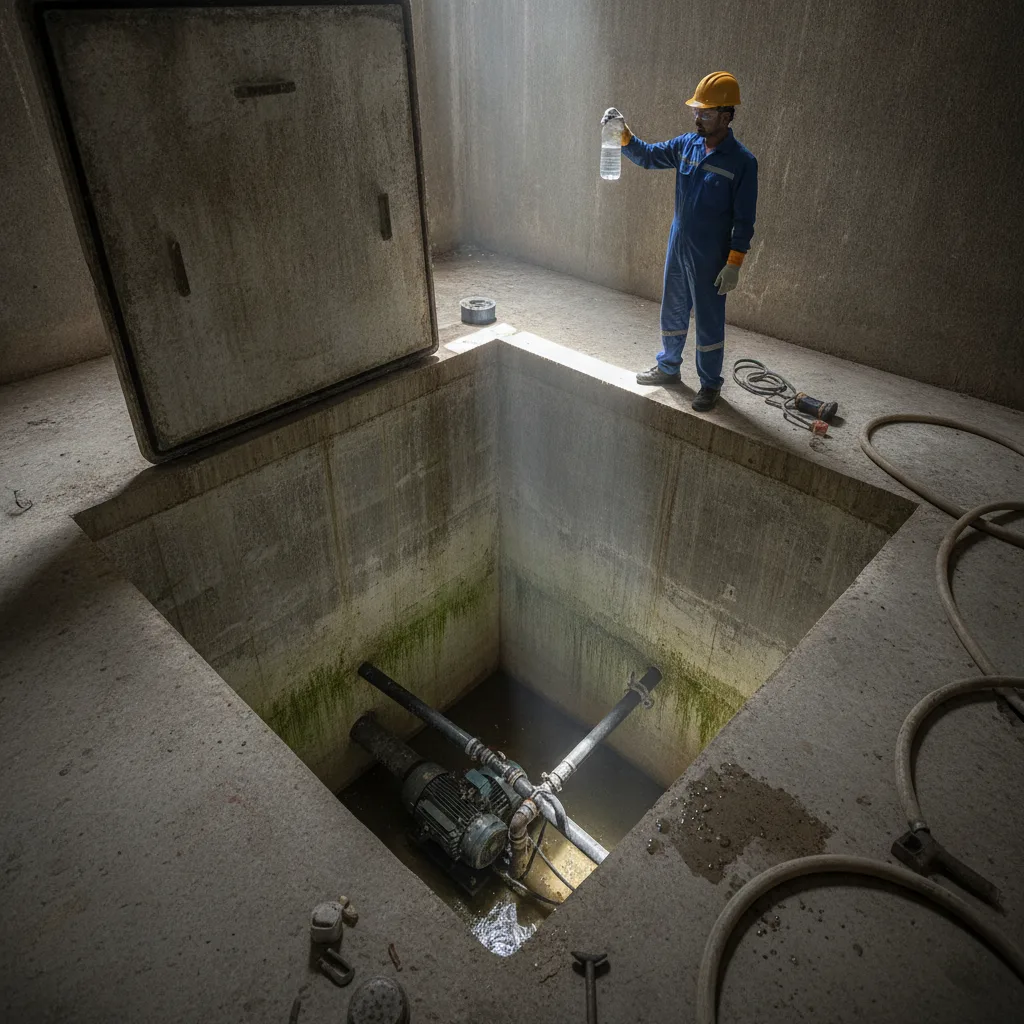
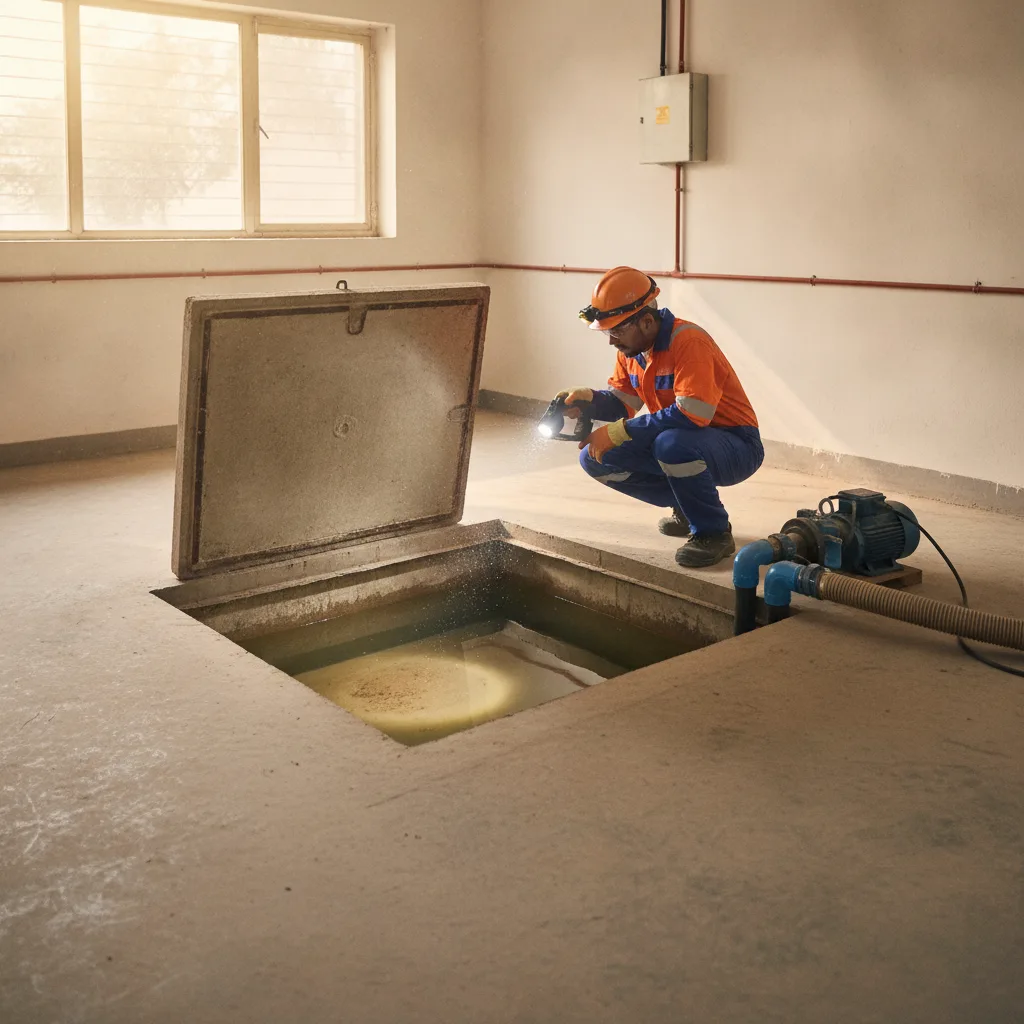
Your overhead tank and sump are the first thing monsoon rain affects, and the last thing most people check. Rainwater carries dust, pollen, and roof grime into any tank with a loose-fitting lid or a cracked vent pipe. Over a few weeks of daily inflow, this settles into a sludge layer at the bottom, dense, slightly gritty, often dark grey.
That sludge isn't just dirt. It's organic material that bacteria feed on, and Bengaluru's monsoon humidity keeps things warm and damp enough for that growth to accelerate compared to the dry season. If your tank hasn't been cleaned in the last four to six months, this is the month to get it done. It's genuinely worth booking a professional water tank and sump cleaning service before the rains peak, since manual cleaning rarely reaches corners and inlet pipes the way a proper vacuum-extraction process does.
Check the tank lid and overflow pipe too. A gap of even a few millimetres lets mosquitoes in to lay eggs, and a blocked overflow means dirty water has nowhere to go except back into your supply line during a heavy downpour.
What to physically inspect before the first big rain
- Tank lid seal: should sit flush with no visible gap, no cracks at the rim
- Overflow pipe: mesh cap intact, not bent or missing
- Inlet pipe joint: no seepage stains around the connection point
- Sump cover: heavy enough that wind or children can't shift it
Drains and stormwater lines need clearing, not just hoping for the best
Bengaluru's older drainage networks weren't built for the rainfall intensity we've seen in recent monsoons. Leaves, plastic wrappers, and construction debris collect at grates and bends through the dry months, and nobody notices until the first proper downpour turns a street into a shallow river.
Walk your property's perimeter drains, balcony outlets, and terrace scuppers before the season sets in. Clear visible debris by hand where you can reach it. For terrace drains specifically, a blocked outlet means pooling water on the roof slab, which adds weight and, over years, encourages seepage cracks in the ceiling below.
Apartment complexes should get their stormwater drains professionally jetted at least once before June. It's a small cost against the alternative: water backing up into ground-floor units or basement parking, which happens almost every year somewhere in the city.
Pest control timing matters more than the product you use
Mosquito breeding accelerates fast once standing water appears, sometimes within four to five days of an egg being laid in warm, still water. That's shorter than most people expect, and it's why waiting until you see adult mosquitoes is already too late for prevention.
The lifecycle detail that matters here: Aedes mosquitoes, the ones linked to dengue, prefer small volumes of clean or semi-clean standing water, not dirty puddles. That includes flower pot saucers, AC drip trays, unused buckets on the balcony, and yes, a poorly sealed sump. Chemical fogging treats adult mosquitoes for a few days at best. Source removal, emptying and covering anything that holds water, is what actually breaks the cycle.
Cockroaches shift behaviour too. Rising humidity outdoors pushes them toward drier indoor spaces, kitchens and bathroom cabinets especially. If you're scheduling a pest control visit, late May to early June (before the first heavy rain) gets ahead of both problems rather than reacting to them.
A realistic monthly rhythm through the season
Trying to do everything in one weekend before the rains start isn't necessary, and honestly it's not how most of these tasks work anyway. Some need to be repeated as the season goes on.
| Task | Frequency | Why |
|---|---|---|
| Tank and sump cleaning | Once before monsoon, once mid-season if heavy usage | Sludge and bacterial growth accelerate in warm, humid conditions |
| Terrace and balcony drain check | Weekly during active rain | Leaf litter and debris accumulate fast, block outlets quickly |
| Standing water removal (pots, trays, buckets) | Every 3-4 days | Matches the mosquito breeding cycle timeline |
| Pest control (indoor) | Once before season, repeat if humidity issues persist | Cockroach and mosquito activity both rise with humidity |
Don't ignore the small stuff that compounds
A cracked window seal lets in more than rain, it lets in the humid air that keeps wooden furniture swelling and cupboards smelling musty through July and August. Check rubber door seals on the fridge too; monsoon condensation makes worn seals worse, and that's a repair bill nobody plans for.
If your building has a borewell, monsoon is also a reasonable time to have the water tested. Runoff can temporarily change turbidity and mineral content, and if you've noticed cloudier water than usual after rain, that's worth flagging rather than ignoring.
- Clean tanks and sumps before the rains peak, not after you notice a smell or taste change
- Check tank lids, overflow pipes, and sump covers for gaps mosquitoes can enter through
- Clear terrace and perimeter drains weekly once heavy rain starts, not just once at the start of the season
- Empty standing water sources every 3-4 days to break the mosquito breeding cycle
- Schedule pest control before the season starts, source removal works better than reactive fogging
None of this needs to be complicated, but it does need a bit of sequencing. Get the tank and sump sorted first since that's your drinking water and the easiest mosquito entry point, then work outward to drains and general pest prevention. KBS has handled enough monsoon call-outs in Bengaluru to know which tanks get missed every year, usually the ones nobody's checked since Diwali. If yours is due, it's worth sorting before the rain does the deciding for you: Book Water Tank Cleaning and get ahead of the season properly.
Want this handled by professionals in Bengaluru? Book Water Tank Cleaning, or message us on WhatsApp.