Overhead Water Tank Cleaning in Bangalore: Everything You Need to Know in 2026
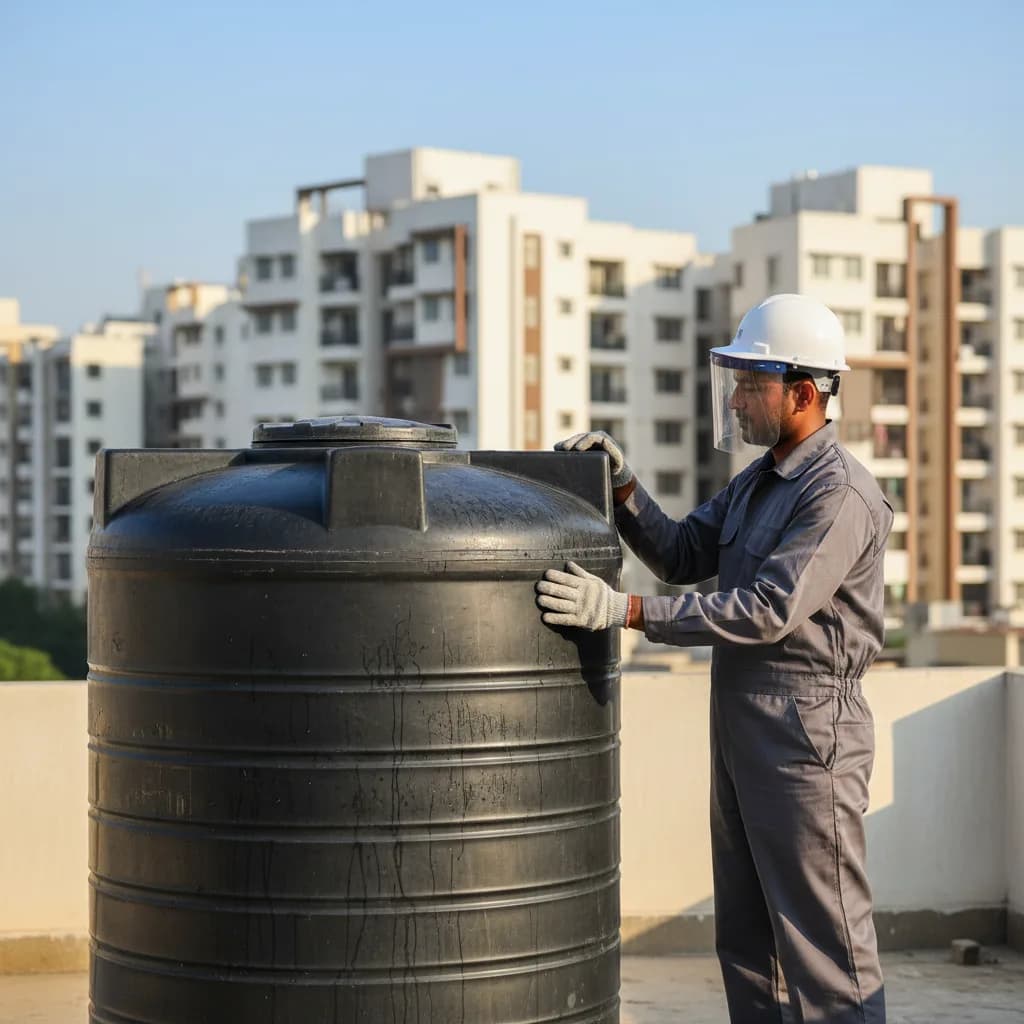
Most Bengaluru homes store water in an overhead tank, fed by BWSSB lines or pumped up from a borewell. Both sources carry sediment, minerals, and microbes that settle and build up inside the tank over months, and because the water sits stagnant before it reaches your taps, keeping the tank clean is a genuine health matter. Here is what to know: what builds up, how often to clean, what a proper service involves, and what it costs.
- Sludge, biofilm, algae, and scale build up unseen inside the tank
- Clean every six months as a baseline, more often on borewell water
- A proper clean means draining, scrubbing, jetting, and disinfection
- Discoloured water, a musty smell, or wall slime mean clean now
- Cleaning a home tank up to 1,000 litres typically runs ₹599 to ₹1,499
What Builds Up Inside the Tank
- Sludge and sediment: hard borewell water carries calcium, magnesium, and iron that settle as a dense layer at the bottom.
- Biofilm: a sticky bacterial layer on the walls that plain flushing cannot remove; it needs scrubbing with a food-grade disinfectant.
- Algae: plastic tanks exposed to sunlight grow algae that changes the water's taste.
- Rust and scale: older concrete or metal tanks accumulate rust flakes and scale that corrode the walls over time.
- Insects and debris: a poorly sealed lid lets in mosquitoes, dust, and worse.
Plastic, Concrete, and Metal Tanks Age Differently
The tank material changes both how it fouls and how it is cleaned. Smooth plastic tanks, the black or blue ones on most rooftops, are the easiest to clean because sludge does not key into the surface, but their walls let sunlight through, so algae is their main problem. Keeping them shaded or using an opaque tank helps a lot.
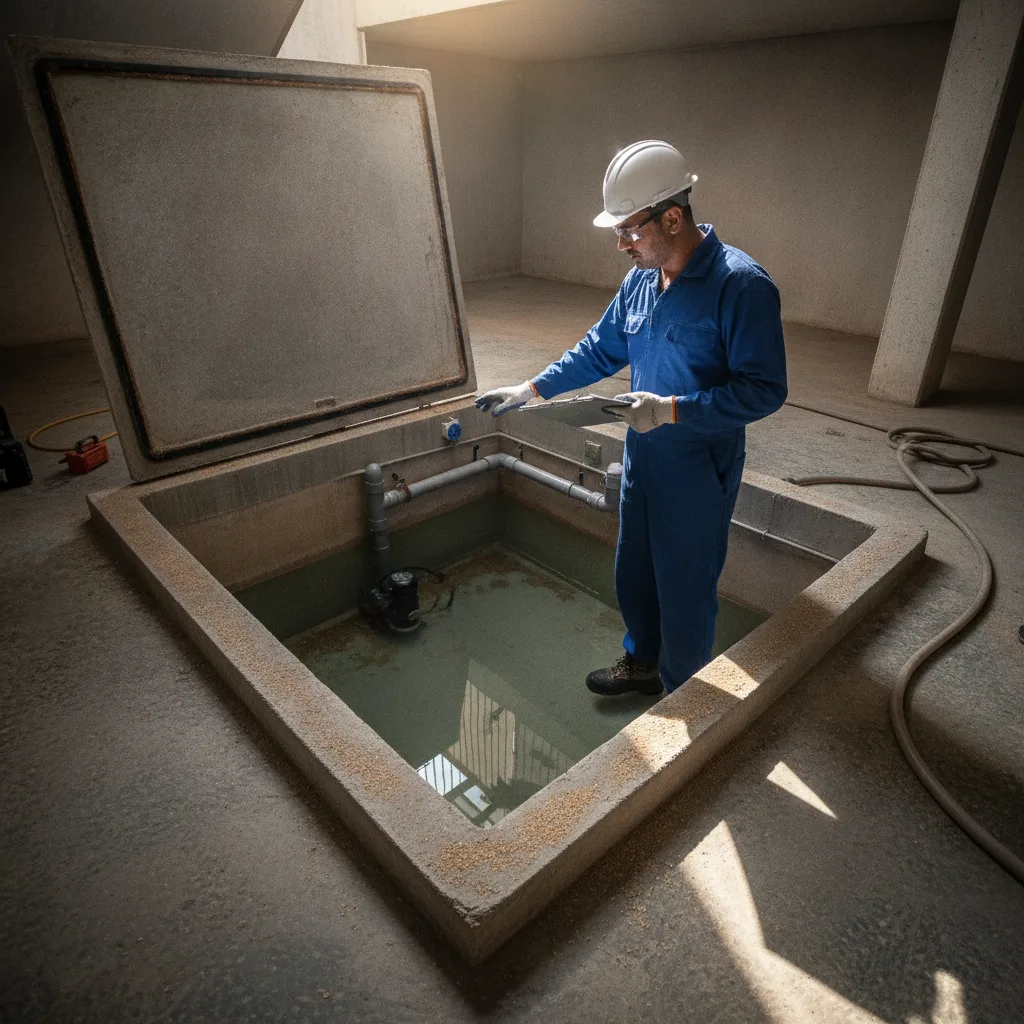
Concrete and RCC tanks have rough, porous walls that hold biofilm and scale far more stubbornly, so they need firmer scrubbing and collect more grime between cleans, which is why they are quoted after a look rather than at a flat rate. Older metal tanks add rust to the mix, and rust flakes both discolour the water and slowly weaken the walls. Knowing your tank material tells you roughly what you are up against and how often it will need attention.
How Often to Clean
The World Health Organisation recommends cleaning domestic storage tanks every six months, and Bengaluru's conditions make that the baseline. Intermittent supply means tanks empty and refill often, and each refill brings fresh sediment; borewell-fed homes face harder water that scales faster. Six months is the minimum, and homes with young children or elderly members, or that rely on the tank as their only source, should consider every three to four months. A clean before the rains is especially worth it, since humidity speeds bacterial growth, and it pairs well with a pre-monsoon sump clean.
What a Professional Clean Involves
A proper service is very different from draining and hosing the tank down:
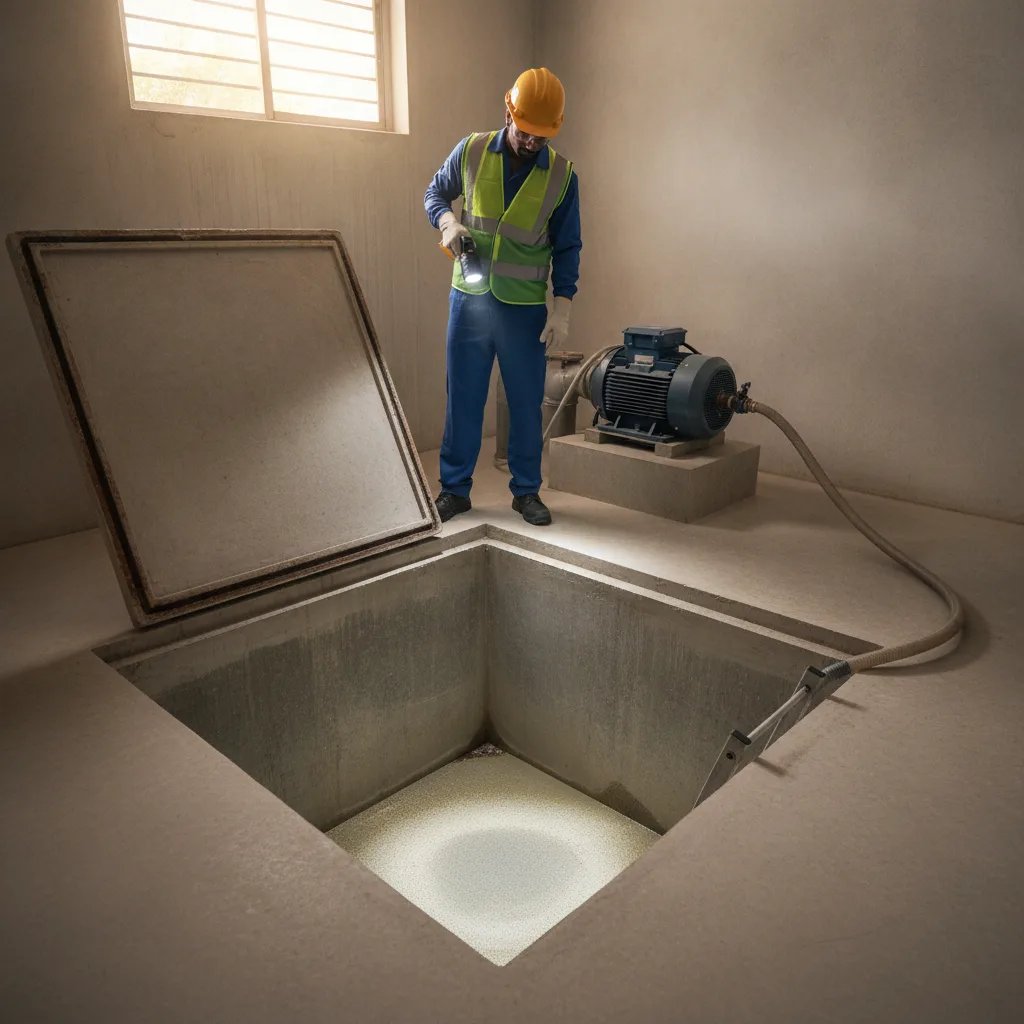
- Full drainage of all stored water before cleaning begins
- Scrubbing the floor, walls, and corners to break up biofilm and dislodge sludge
- High-pressure jetting to flush the loosened debris and scale right out
- Disinfection with food-grade chlorine or hydrogen peroxide at the correct concentration
- A check of the inlet, outlet, and overflow fittings, since corroded valves undo a clean tank
- A basic post-clean water check before the job is signed off
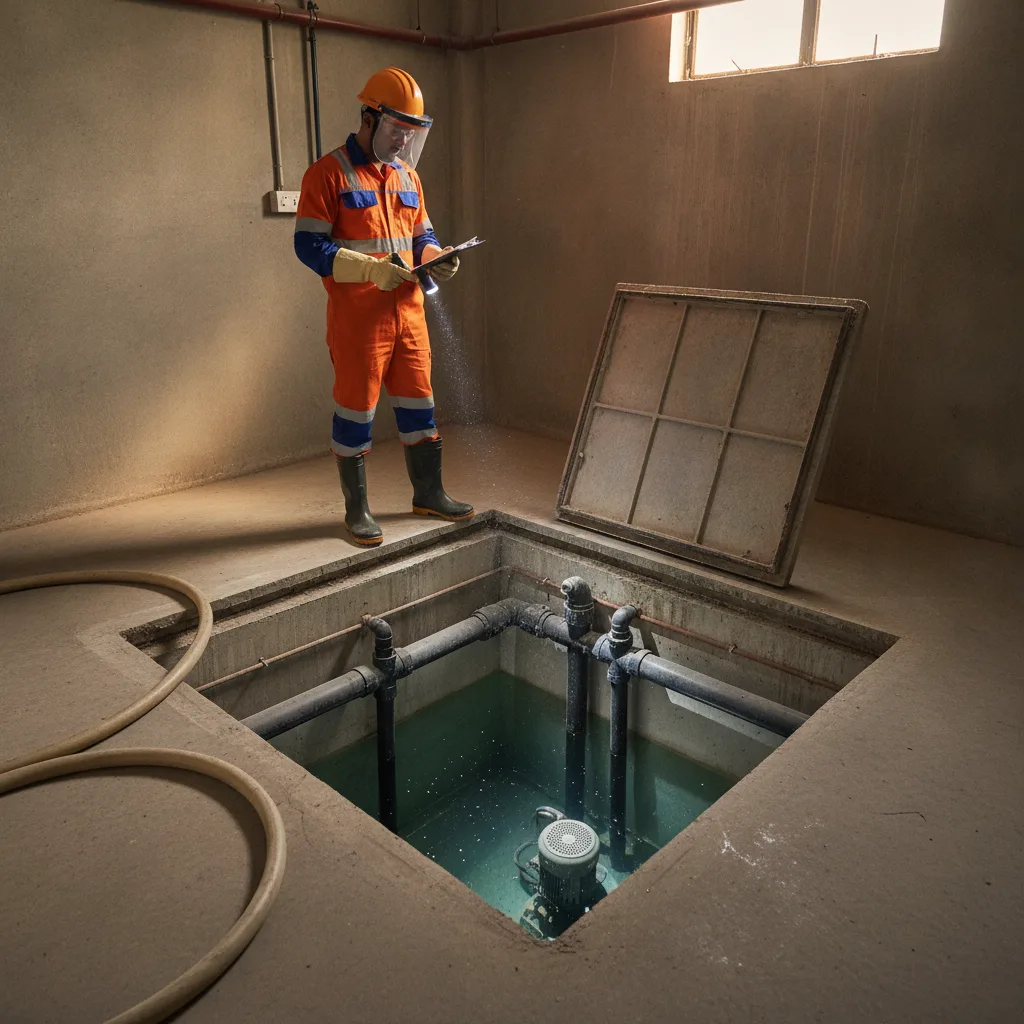
A proper overhead tank cleaning covers every one of these steps, not just a rinse.
For a standard 500 to 1,000 litre rooftop tank the whole job takes about 45 minutes to an hour and a half, longer where sludge or scale is heavy. Because the tank is disinfected with a food-grade product and rinsed before the job is signed off, the water is safe to use once it is refilled.
Signs Your Tank Needs Cleaning Now
- Discoloured water, a yellow, brown, or grey tint at the taps
- A foul or musty smell even after running the tap for a few seconds
- Visible slime or black patches on the tank walls
- Recurring stomach trouble at home with no clear food cause
- More than six months since the last professional clean
What It Costs
Price depends on tank capacity, material, floor access, and how dirty it is. For a residential tank up to 1,000 litres, professional overhead tank cleaning in Bengaluru typically runs ₹599 to ₹1,499, confirmed before the work starts so there are no surprises on the day.
Due for a clean? You can book a water tank and sump cleaning with KBS and get a confirmed price before the team arrives.
Want this handled by professionals in Bengaluru? Book Water Tank Cleaning, or message us on WhatsApp.