Pre-Monsoon Water Tank Cleaning Checklist for Bengaluru Homes

As Bengaluru prepares for the monsoon, most people check for roof leaks and clear drains, but one task often gets missed: cleaning the overhead tank and sump. With the rains arriving between June and September, a pre-monsoon tank clean is about protecting your family's water, not just hygiene. Here is a complete checklist to get your storage monsoon-ready.
Why It Matters
Many homes run on a mix of borewell, BWSSB, and tanker water, each of a different quality, and through the hot months sediment, algae, and bacteria concentrate inside the tank as water evaporates. The monsoon's humidity and warmth then speed up bacterial growth, and a contaminated tank can carry the bacteria behind typhoid, cholera, and gastroenteritis. Cleaning before the season removes that head start.
How the Rains Get Into a Tank
An overhead tank is not sealed the way people assume. Rain lands on the terrace and washes dust, bird droppings, and leaf litter towards the tank, and the first heavy shower after a dry spell carries the most, since months of grime comes off the roof at once. If the lid is cracked or missing, or a seal has perished, that runoff finds its way in.
The air changes too. Monsoon humidity keeps tank surfaces damp and warm, which is exactly what biofilm and mosquito larvae need to establish. Borewell quality can shift as the water table rises, bringing up more sediment than in the dry months. None of this is dramatic on its own, but together it is why a tank left uncleaned through the season is dirtier by August than the same tank would be in April.
Your Pre-Monsoon Checklist
1. Schedule before May ends
Book the inspection and clean before the rains, ideally by late May or early June, so any issues are fixed before water use rises.
2. Check for visible contamination
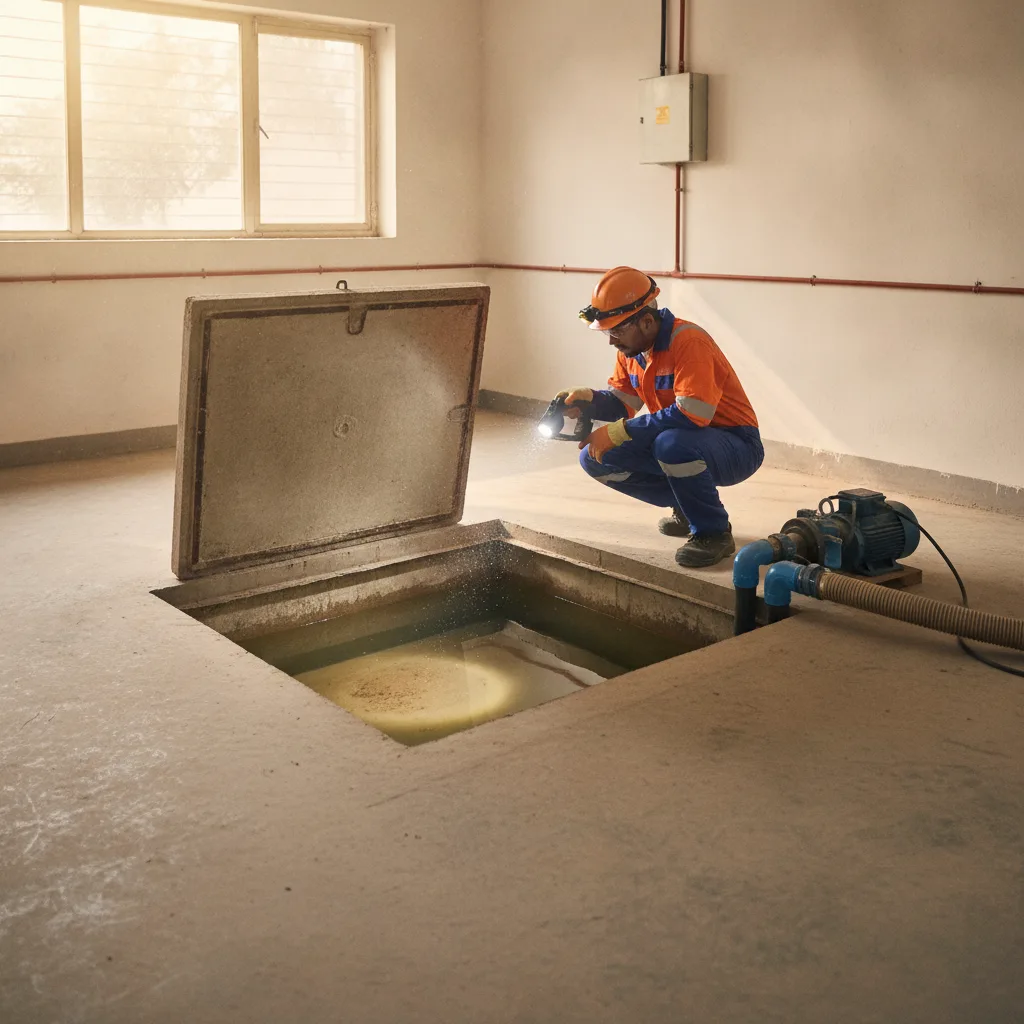
Before draining, look for discoloured water, a foul smell, floating particles, algae on the walls, or dead insects.
3. Examine the structure and seals
Check for cracks in the walls or floor, a damaged or missing lid, broken inlet or outlet pipes, worn rubber seals, and overflow pipes clogged with debris.
4. Drain completely
A proper clean starts with full drainage. In apartments, coordinate with the maintenance team for an alternative supply during the work.
5. Scrub all interior surfaces
The interior needs manual scrubbing to remove biofilm, with attention to corners, joints, and around the pipes where sediment gathers. Avoid harsh chemicals that could contaminate the water.
6. Remove sump sediment
On borewell water, the sump collects heavy sediment that must be removed fully so it does not pass into the overhead tank and clog pipes.
7. Disinfect safely
After scrubbing, disinfect with a food-grade sanitiser, then rinse thoroughly before refilling so no residue remains.
8. Test the water
Consider a water-quality test after cleaning, especially if you have had persistent issues; several labs across the city offer this.
9. Seal properly
Before refilling, make sure all access points are sealed against mosquitoes and runoff, with the lid fitting securely on intact seals.
10. Note the next clean
Mark the calendar. A thorough clean every six months means the next one falls around November or December.
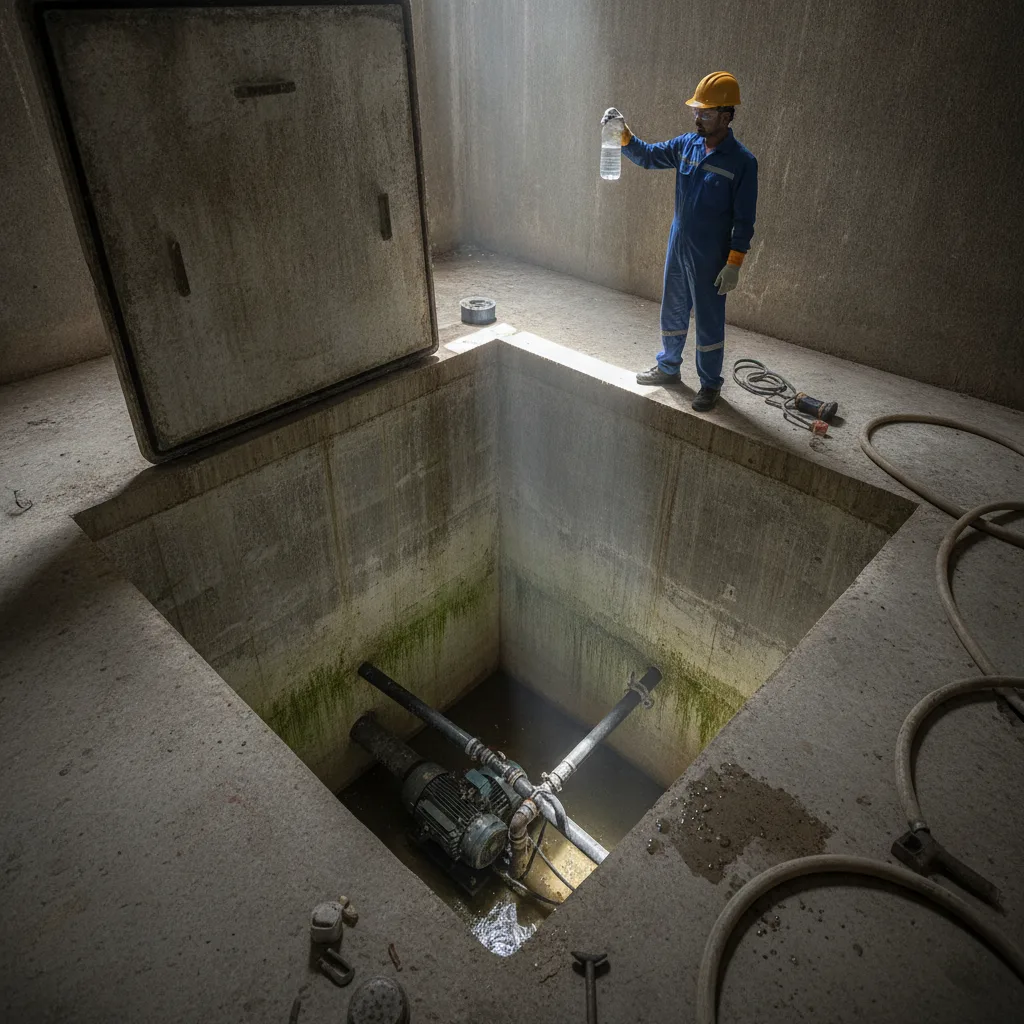
You can handle the inspections and sealing yourself, but cleaning a sump is a confined-space job best left to a trained team with the right equipment and disinfectant. If doing all ten steps yourself feels like a lot, a professional water tank and sump cleaning covers the whole checklist in a single visit, from inspection to disinfection.
How a Professional Handles the Job
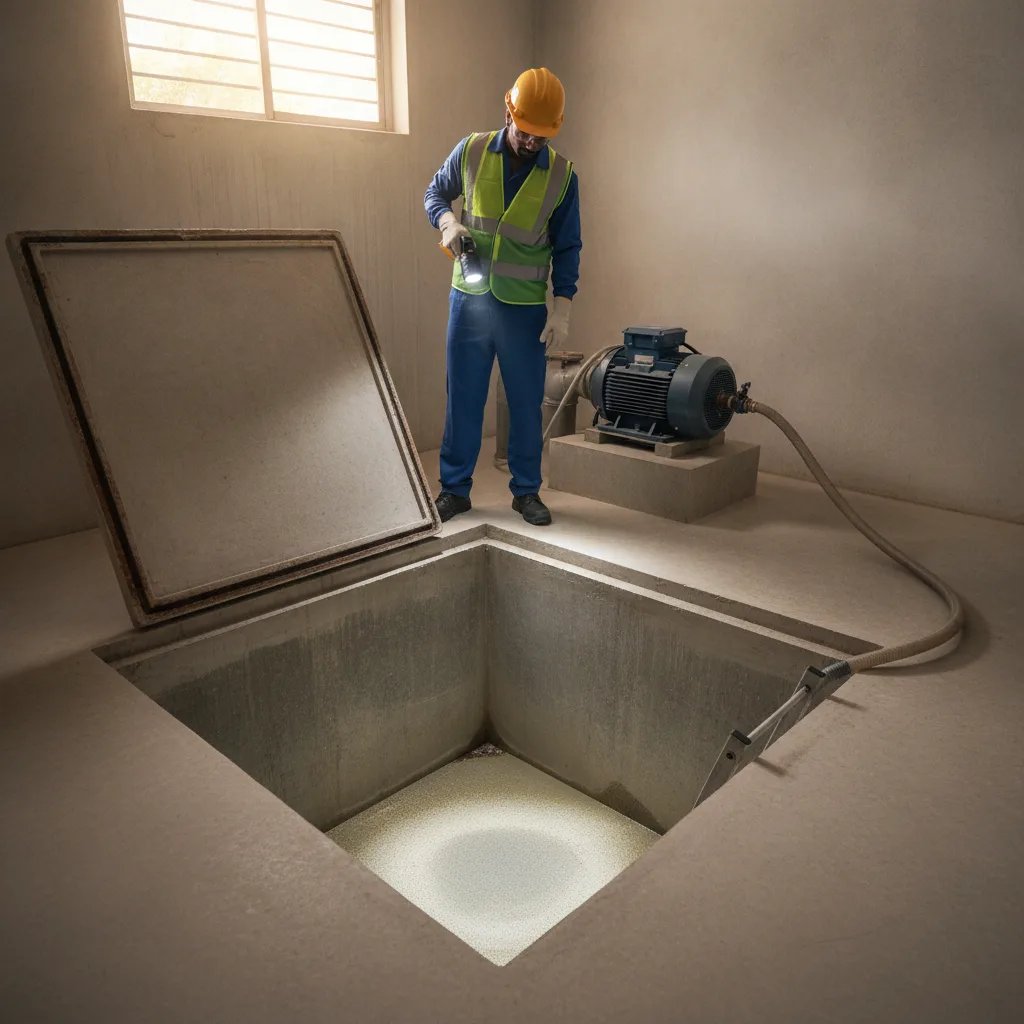
A trained team drains the tank fully, then works the walls, floor, and ceiling by hand rather than just hosing them, because biofilm sticks and only lifts with physical scrubbing. Corners, the inlet and outlet mouths, and the underside of the lid get the most attention, since that is where sediment and slime gather. After scrubbing comes a food-grade disinfectant, left to act and then rinsed out so nothing remains in the water you drink.
KBS has cleaned more than 15,000 tanks, sumps, and homes across Bengaluru since 2019, and the pattern is consistent: the tanks that stay problem-free are the ones cleaned on a schedule rather than only when the water looks wrong. On borewell water that means every three to four months, and on piped supply every six, which lines a monsoon clean up neatly with the next one falling towards the end of the year.
- Book the clean before late May, ahead of the rains
- Check for contamination, cracks, and a properly sealing lid before draining
- Scrub the interior and remove sump sediment fully, then disinfect and rinse
- Seal all access points against mosquitoes and runoff before refilling
- Do both the tank and the sump, since one feeds the other
Getting monsoon-ready? You can book a water tank and sump cleaning with KBS and get both done before the rains.
Want this handled by professionals in Bengaluru? Book Water Tank Cleaning, or message us on WhatsApp.