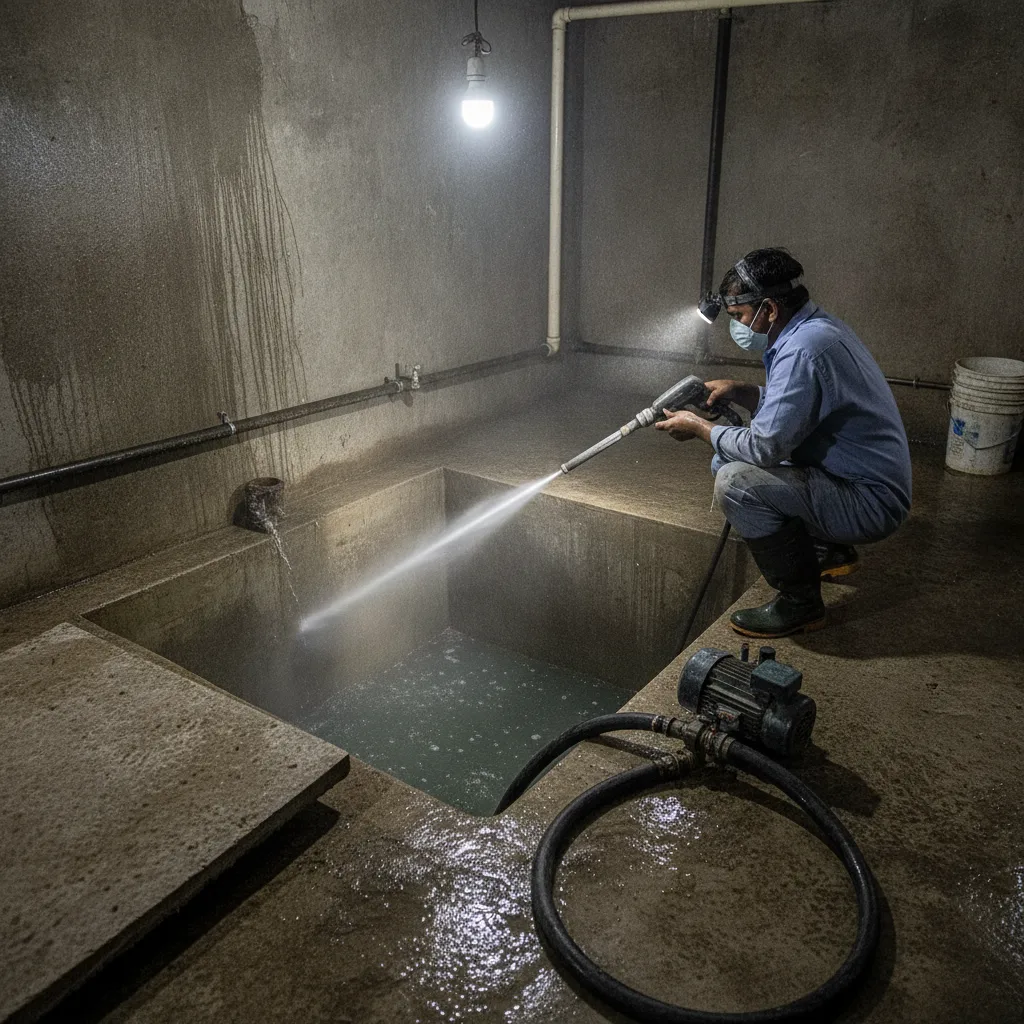
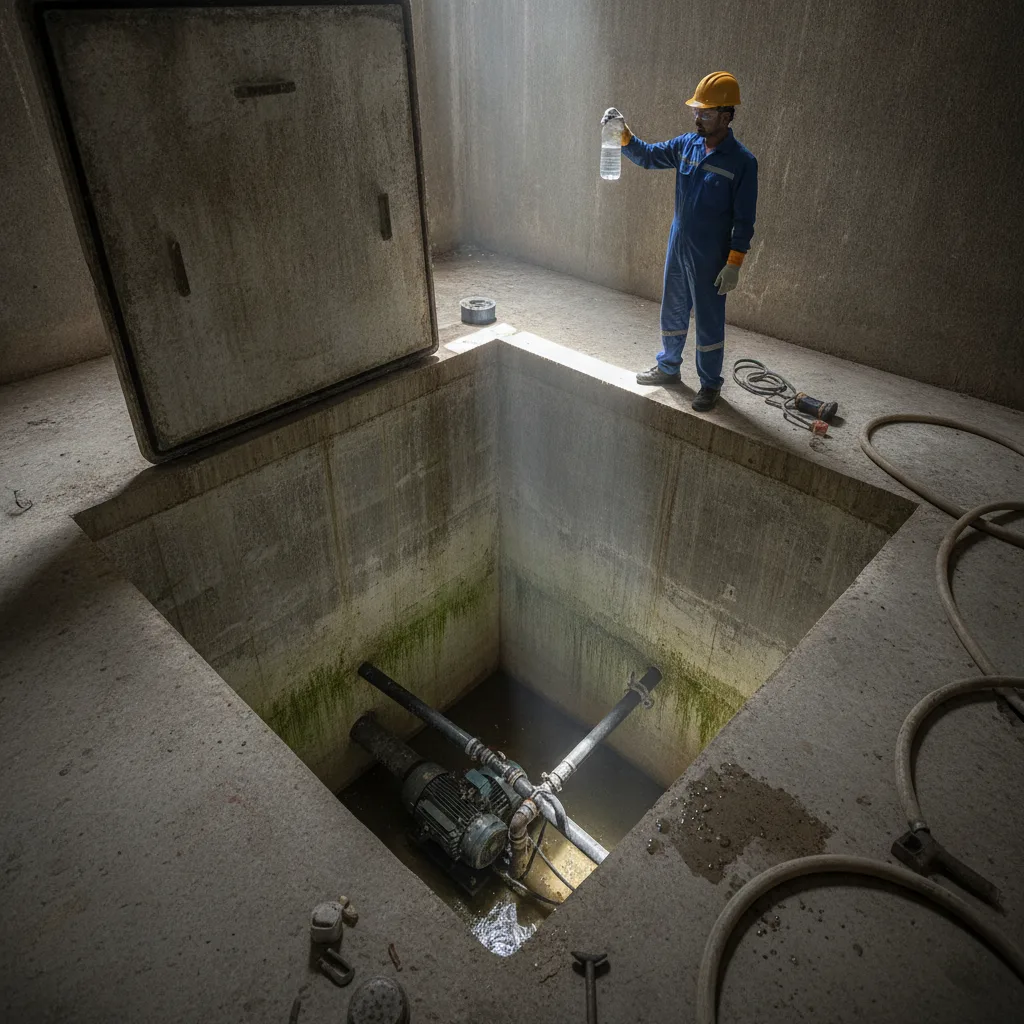
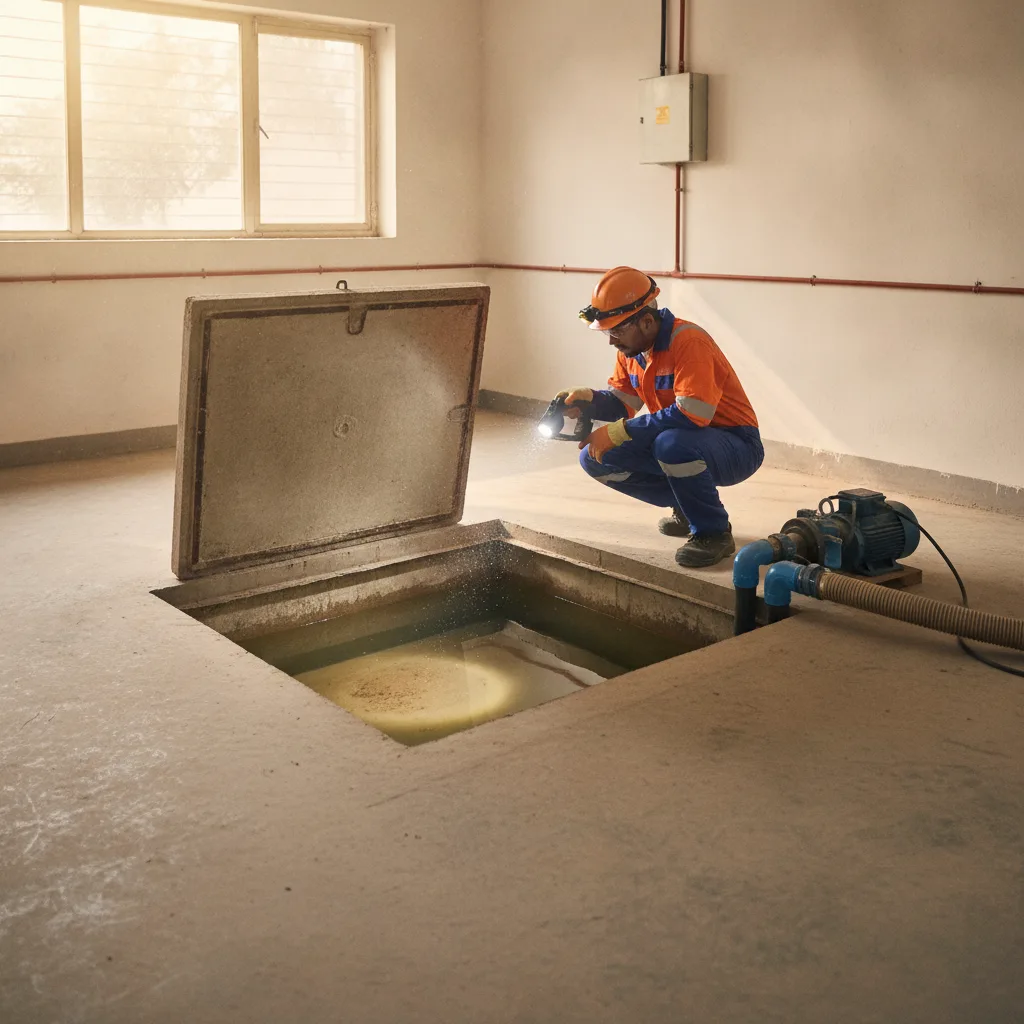
Sump Cleaning After BWSSB Water Supply Disruptions: Why Bangalore Homes Need It
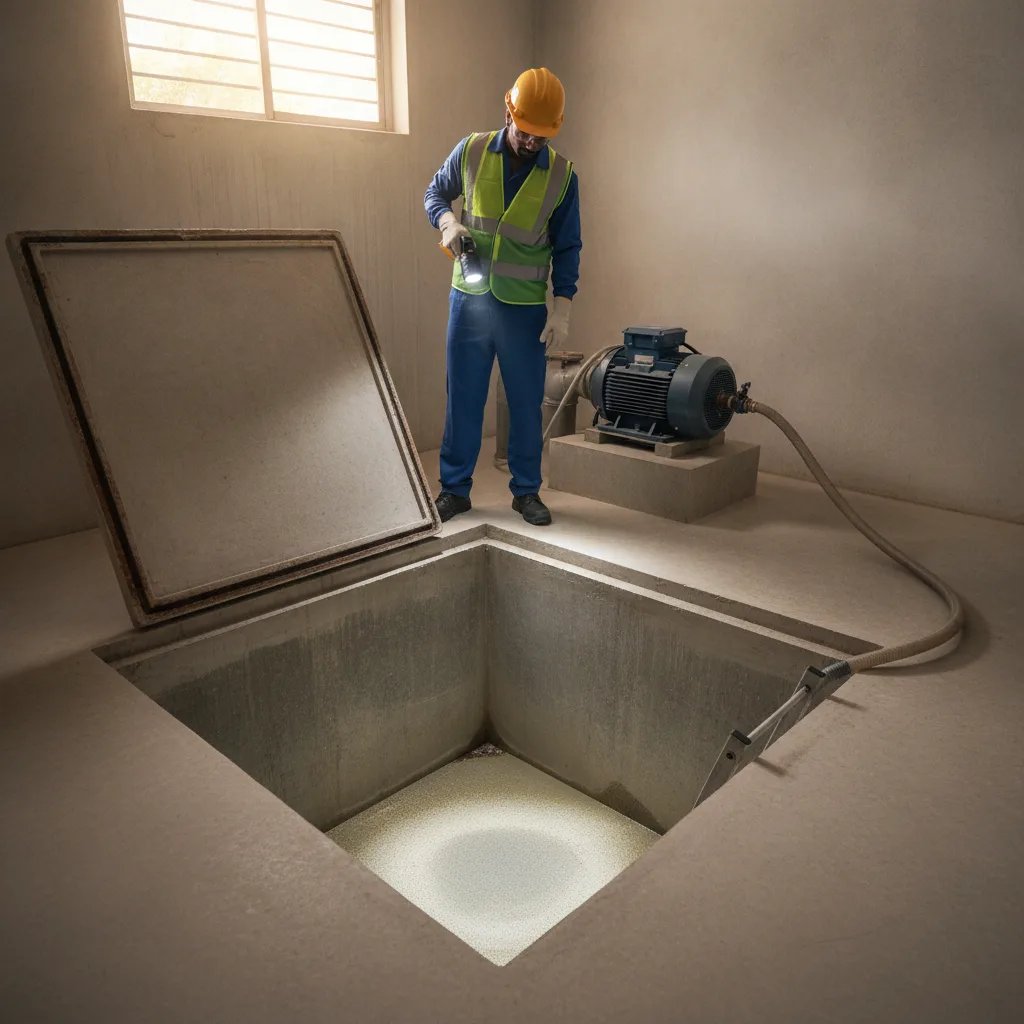
BWSSB supply disruptions are routine in Bengaluru now, whether it's pipeline repair work, monsoon flooding at treatment plants, or scheduled maintenance that stretches from two days into five. When the pipes run dry, most households switch to tanker water to keep the sump topped up. That's exactly when the trouble starts.
Tanker water doesn't go through the same treatment and testing as BWSSB's piped supply. It's often drawn from borewells or private sources with minimal filtration, and it gets pumped straight into a sump that may already have months of sediment sitting at the bottom. The result is a layer of fresh contamination sitting right on top of old sludge, and nobody's checking either.
If your sump has gone through even one tanker refill cycle during a supply gap, it's worth booking a professional sump cleaning service before you go back to trusting the water coming out of your tap.
What actually happens inside your sump during a disruption
A normal BWSSB supply cycle keeps water moving through your sump every day or two. That movement matters more than people realise.
Standing water settles. Fine silt and clay particles that would normally get flushed out with regular inflow start sinking to the tank floor instead. Add a few tanker refills using water of inconsistent quality, and you're layering unknown sediment on top of whatever was already there.
Organic matter is the bigger issue. Tanker sources sometimes carry trace algae spores or bacterial load that a chlorinated BWSSB supply would normally suppress. Left standing for three or four days in Bengaluru's warm, humid climate, that's enough time for a thin biofilm to start forming on the tank walls, especially near the waterline where sunlight can reach through inspection openings.
Why sediment buildup accelerates during disruptions
Under normal conditions, a sump gets a slow, continuous rinse. During a disruption, water sits still for days at a time. Stillness is what allows particles to drop out of suspension and settle permanently rather than getting carried through with the next fill cycle.
Technicians who open sumps right after a supply gap consistently find a visibly thicker sediment layer than during a routine six-month check. It's not subtle. Sometimes it's an inch of loose grey silt that wasn't there before the disruption started.
Tanker water quality: the part nobody checks
Here's the honest picture. BWSSB tanker water is meant to meet the same standards as piped supply, but private tanker operators filling gaps in high-demand periods aren't always drawing from approved sources. Sump inlets have no filter fine enough to catch bacterial contamination, so whatever quality the tanker delivers goes straight into your stored water.
This is why a disruption followed by tanker refills is a genuinely different situation from routine six-monthly cleaning. You're not just dealing with gradual sediment accumulation. You're dealing with an unverified water source mixing directly with your existing supply.
- Ask the tanker operator where the water is sourced from before the refill, not after.
- Avoid topping up an already-low sump with tanker water if you can wait a few hours for BWSSB restoration instead.
- If tanker water smells different (a faint earthy or chlorine-heavy odour) note it, because that's often the first sign of a quality issue.
- Get the sump inspected within a week of restoration if you relied on tankers for more than two days.
Signs your sump needs attention after a supply gap
You don't need lab equipment to spot the warning signs. Most of them are visible or noticeable within the first few days after BWSSB supply resumes.
Cloudy or slightly discoloured water at the tap is the most obvious one. A faint musty smell when you run the tap first thing in the morning is another, since that's often trapped odour from stagnant water sitting overnight in the pipe. If your usual water pressure feels lower than normal, sediment may have partially blocked the outlet pipe at the base of the sump.
The overhead tank connection
Don't forget the overhead tank in this picture. Most Bengaluru homes pump sump water up to an overhead tank, and whatever contamination entered the sump gets carried straight up with it. Cleaning only the sump and ignoring the overhead tank is a half-job that leaves the problem halfway solved.
Both tanks need attention together after a disruption event, not just the one that's easier to access.
Why timing matters more than usual here
Regular sump cleaning follows a six-month rhythm for most households. Disruption-triggered cleaning doesn't wait for that calendar. The window that matters is the week or two right after supply normalises, while the tanker-sourced contamination is still fresh and hasn't had time to spread further into your overhead tank or plumbing.
Wait too long and any bacterial growth that started during the disruption has more time to establish itself on tank surfaces, making it harder to fully clear with a standard clean. Act within that first week or two, and it's a straightforward job.
- Tanker water used during BWSSB gaps often skips standard treatment checks that piped supply goes through.
- Standing water during a disruption lets sediment settle faster than during normal supply cycles.
- Cloudy water, odd smells, or dropped pressure after restoration are signs worth acting on quickly.
- Clean both the sump and the overhead tank together, since contamination travels between them.
- Book a cleaning within one to two weeks of supply resuming rather than waiting for the next scheduled service.
If your household went through a BWSSB disruption recently and topped up with tanker water even once, don't wait for your next scheduled clean. KBS has handled this exact situation across thousands of Bengaluru homes over eight years, and getting your sump and overhead tank checked now is a quick way to rule out contamination before it becomes a bigger problem. Book Water Tank Cleaning and get both tanks inspected properly.
Want this handled by professionals in Bengaluru? Book Water Tank Cleaning, or message us on WhatsApp.