Dengue Prevention in Bengaluru 2026: Why Your Overhead Tank Is a Breeding Ground
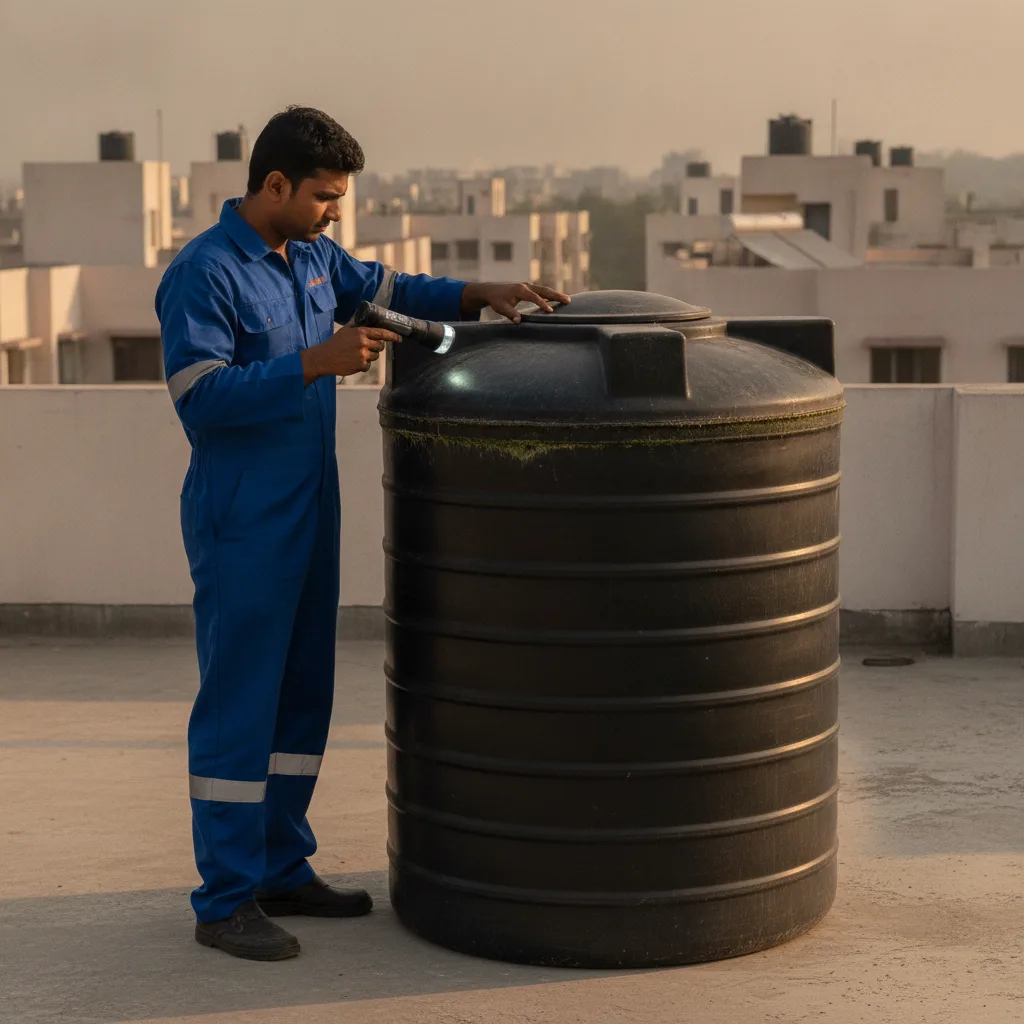
Every August, pest control forums in Bengaluru fill up with the same question: we don't have any standing water outside, so where are these mosquitoes coming from? Nine times out of ten, the answer is sitting on the terrace. An overhead tank with a warped lid or a hairline crack at the inlet pipe is exactly the kind of dark, still, undisturbed water that Aedes aegypti (the dengue-carrying mosquito) prefers over any puddle in the garden.
This isn't a scare story. It's just how the mosquito's biology works, and once you understand the mechanism, the fix is simple. If your tank hasn't been opened and checked in over a year, this is a good week to get it done, and a proper water tank and sump cleaning service will also flush out the sediment that builds up regardless of mosquitoes.
Why an overhead tank is more attractive than a puddle
Aedes mosquitoes are picky breeders. They avoid moving water, sunlit water, and water with fish or predators in it. An overhead tank checks every box they want: it's dark inside, the water sits undisturbed for days between refills, and it's completely sealed off from birds, frogs, or larvivorous fish that would otherwise eat the larvae.
A rooftop tank also holds a stable temperature range through most of the year, which is close to ideal for egg hatching. Add a lid that doesn't sit flush, and you've built a five-star mosquito nursery with room service.
How mosquitoes actually get in
People assume a sealed tank is safe. It rarely is, for one of three reasons.
- Warped or ill-fitting lids: plastic tank lids expand and contract with Bengaluru's heat, and after two or three summers they stop sitting flat, leaving a gap wide enough for a mosquito to slip through.
- Overflow and vent pipes without mesh: most tanks have an overflow pipe that's open to the air. If there's no fine mesh at the end, it's a direct runway in.
- Cracks at the inlet or float valve fitting: the plastic around a ballcock valve gets brittle over years of sun exposure, and a hairline crack there is invisible from ground level but wide open at tank height.
Once a female mosquito gets in and lays eggs on the damp inner wall just above the waterline, the eggs can survive for months even if the tank runs dry, then hatch the moment water touches them again.
The cleaning connection people miss
Sediment matters here too, and this is the part most homeowners don't expect. A layer of silt, rust flakes, or biofilm on the tank floor gives mosquito larvae something to feed on early in their lifecycle. Larvae don't just float around waiting to mature, they graze on organic matter, and a dirty tank feeds them faster than a clean one.
We've opened tanks during routine cleaning that hadn't been touched in three years and found a black sludge layer nearly two centimetres thick, with active larvae wriggling near the surface the moment we broke the sediment loose. That's not an unusual find during the monsoon months.
What actually stops the breeding cycle
- Check the lid fit first. Run your hand around the rim. If you can see daylight or feel a gap anywhere, replace the lid or seal it with a proper rubber gasket, not tape.
- Mesh every open pipe. Overflow pipes and vents need a fine stainless steel or nylon mesh, tied securely, not just draped over the opening.
- Inspect the float valve assembly. Look for hairline cracks in the plastic housing, especially if the tank is more than five years old.
- Empty and scrub the tank every 3 to 6 months. This removes the sediment larvae feed on and physically disturbs any eggs stuck to the walls before they can hatch.
- Keep the water moving where possible. If you have a pump cycle that draws from the tank daily, that alone reduces stagnation compared to a tank that sits full and untouched for weeks.
None of this requires chemicals in your drinking water tank. Larvicidal treatments exist for open sumps and tanks that aren't used for drinking water, but for an overhead tank supplying your taps, mechanical fixes (mesh, lid, cleaning) are the safe route.
Sump versus overhead tank: different risks
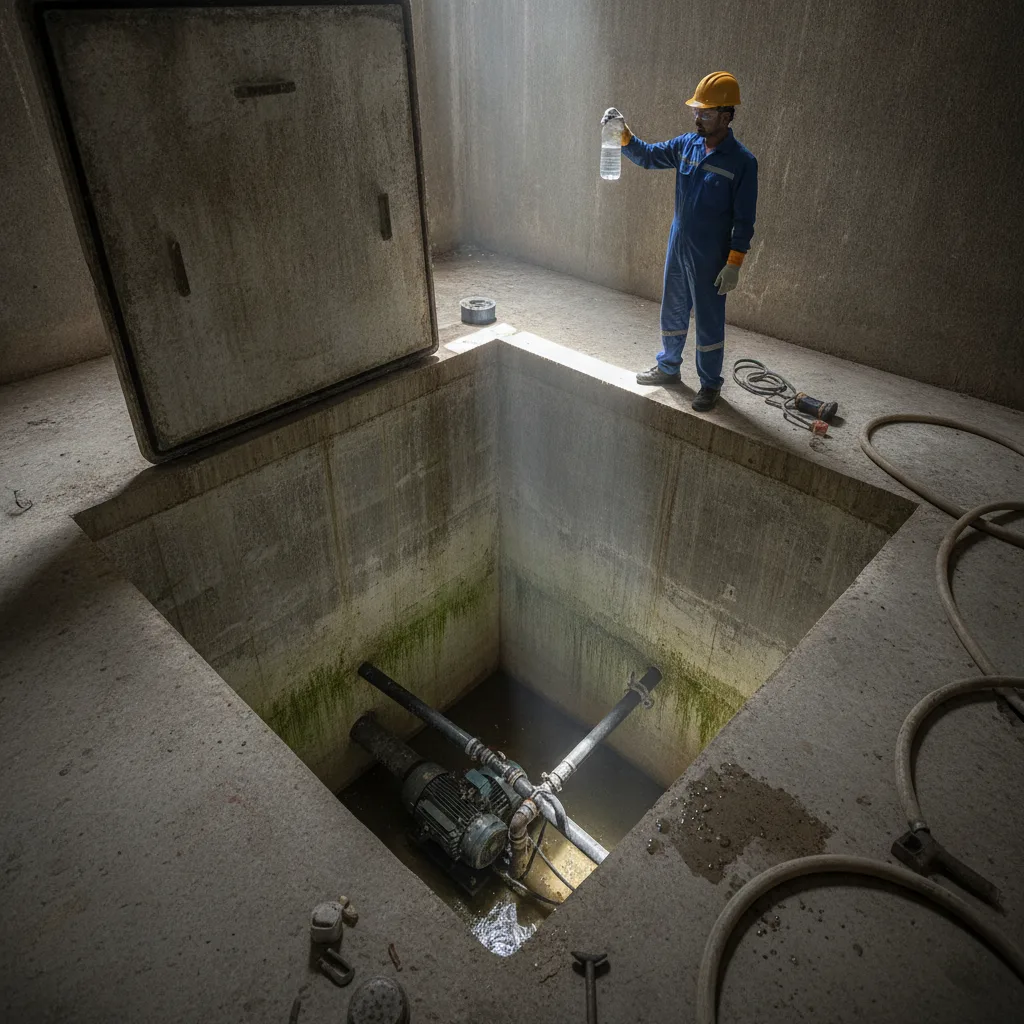
Underground sumps carry a slightly different risk profile since they're often larger, darker, and connected to more inlet points. If your building has both a sump and an overhead tank, check the sump lid and any inspection chamber openings with equal care. We've written more on this in our piece on whether your sump is a mosquito breeding ground, which covers the signs specific to underground tanks.
What a professional clean actually checks
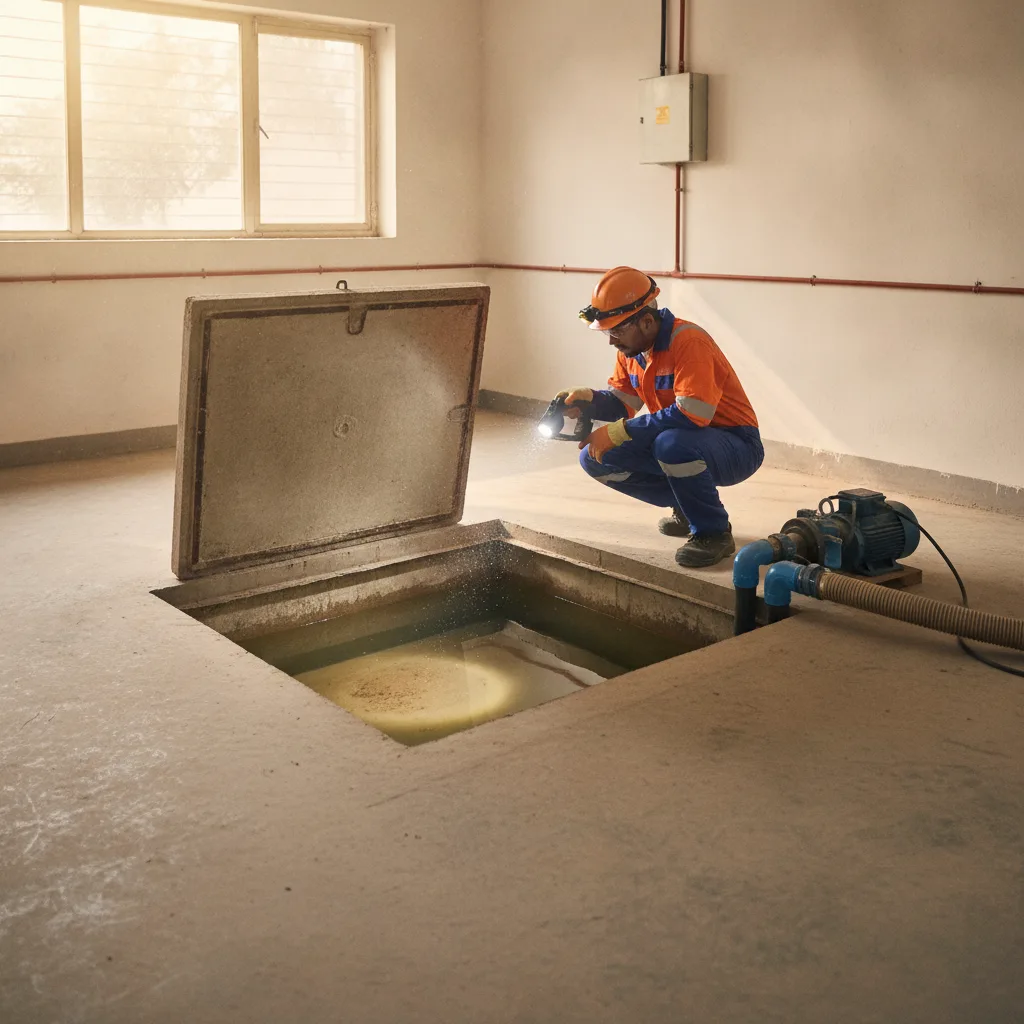
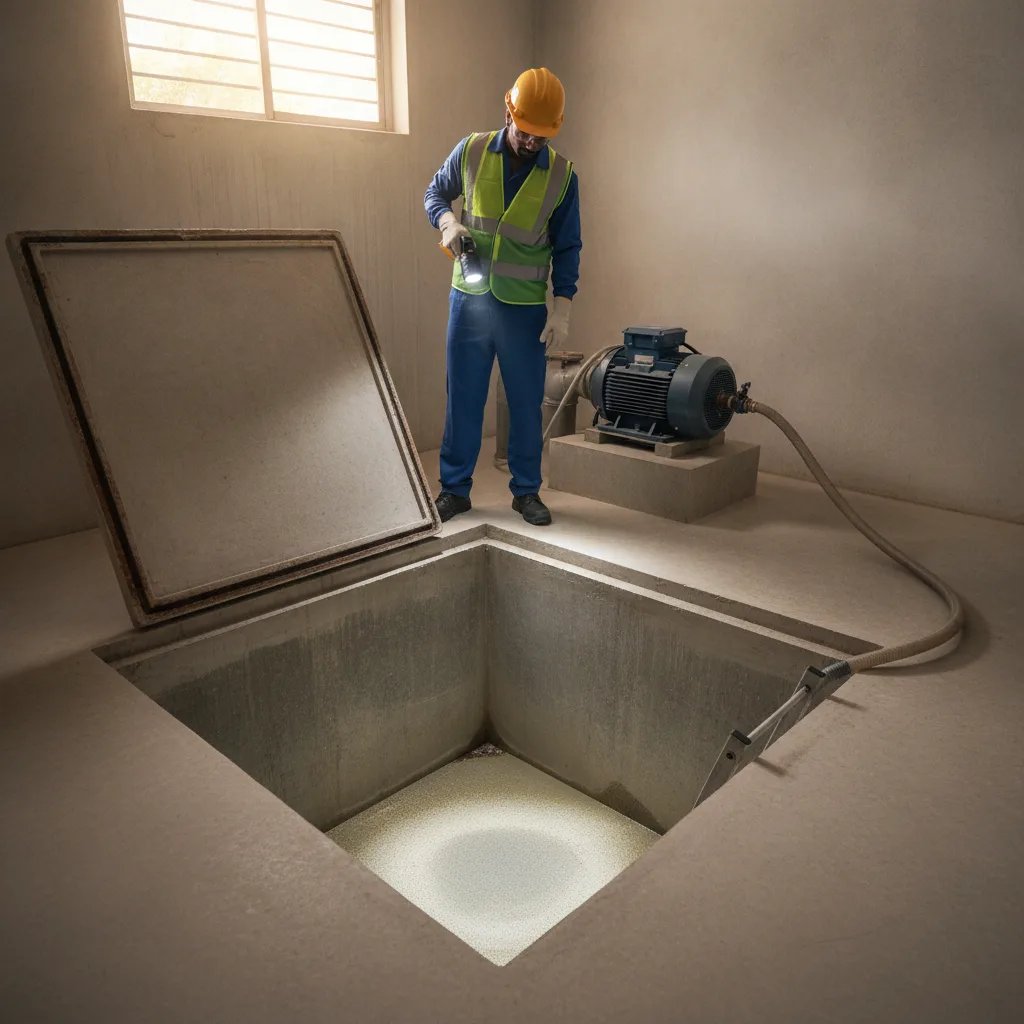
When our team does a tank clean, we're not just scrubbing walls. We check the lid seal, look for larvae or egg rafts near the waterline, inspect the overflow mesh, and flush the sediment out through the drain valve rather than leaving it stirred up in the water. That combination is what actually breaks the cycle, not just the scrubbing.
- A sealed tank isn't automatically mosquito-proof; check the lid fit and pipe mesh specifically
- Sediment buildup feeds larvae, so cleaning frequency directly affects breeding risk
- Mesh overflow and vent pipes with fine, securely tied mesh, not loose covering
- Clean overhead tanks every 3 to 6 months, more often if the lid or float valve show wear
- Chemical larvicides belong in sumps, not in tanks feeding your drinking taps
If it's been a while since anyone actually opened your tank and looked inside, that's reason enough to get it done. Our team can inspect the lid, mesh, and sediment level in one visit and clean it properly the same day. You can Book Water Tank Cleaning with KBS and have it sorted before the next heavy spell of rain.
Want this handled by professionals in Bengaluru? Book Water Tank Cleaning, or message us on WhatsApp.